
Choosing the 2026 best Electric Compressor Machine for industrial use starts with the job it must perform. A packaging line may need steady pressure through long shifts. A workshop may face short bursts and changing demand. Those differences matter more than a polished product photo.
Machinery reliability expert Heinz P. Bloch’s work points to a practical rule: select equipment for its actual operating duty, not brochure claims. That means checking required airflow, working pressure, duty cycle, motor efficiency, and the conditions around the machine. Dust, heat, and limited service access can change the decision. Small details. Real consequences.
This guide compares electric compressor options through those practical measures, then considers controls, maintenance, noise, and lifecycle cost. A low purchase price can look attractive, but energy use and downtime deserve equal attention. Still, no ranking fits every factory. Even a careful comparison may miss a site-specific constraint, such as an unusual load pattern or a cramped installation area. Use the shortlist as a starting point, then verify each model against measured demand and the manufacturer’s operating data. The best choice is the one that reliably meets the plant’s needs—not simply the one with the biggest motor or the most features.
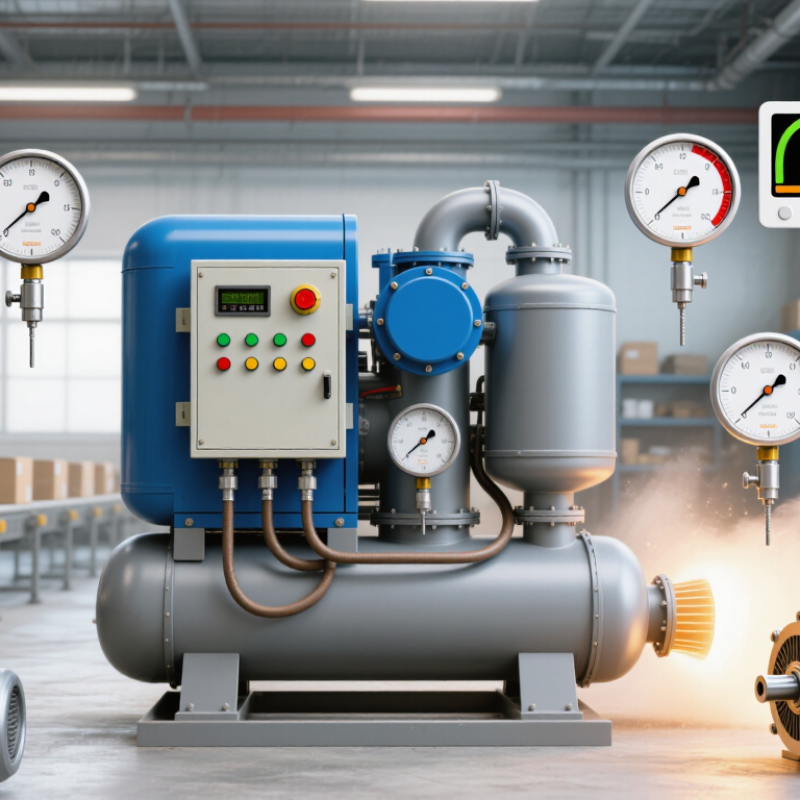
An electric compressor machine uses an electric motor to draw in air and compress it for industrial work. The compressed air can power pneumatic tools, operate valves, or support production equipment. Many systems include an intake filter, compression element, pressure controls, and an air receiver tank. You may hear the motor start as tank pressure drops, then stop or unload when pressure recovers. Air is not free.
The U.S. Department of Energy’s 2003 Improving Compressed Air System Performance sourcebook estimates that compressed-air systems use about 10% of electricity consumed by U.S. industry. That figure is an industry-wide estimate, not a prediction for every plant. Actual demand depends on leaks, pressure settings, duty cycles, and equipment condition. A small leak near a hose coupling may seem harmless, yet continuous leakage wastes energy. Choosing a machine therefore means matching airflow and pressure to measured demand, not simply selecting the largest motor.
Tips: Check the required airflow at peak production, and inspect filters, drains, and pipe joints regularly. Record pressure at the point of use. One detail is easy to miss: excessive pressure can increase energy use without improving the process. Measurement takes time, but guesses can cost more.
An industrial electric compressor turns electrical energy into stored air pressure. An electric motor drives a compression element, such as a piston or rotating screw. Air enters through an intake filter, where dust is removed before it reaches moving parts. The mechanism reduces the air’s volume and raises its pressure. That process also creates heat. It is not magic.
A cooler lowers the air temperature, while a receiver tank stores compressed air for changing demand. Controls monitor pressure and switch the motor or adjust its output. In a workshop, a brief burst from an impact tool may draw air faster than the compressor can make it. The tank helps cover that gap. Moisture can collect inside, so draining and checking the system matter.
Efficiency depends on more than the motor’s rating. Leaks, clogged filters, poor ventilation, and oversized equipment can all waste energy. A gauge may show adequate pressure while a distant machine still struggles because of narrow or long piping. That detail is easy to miss. Compressor selection should reflect real airflow needs, duty cycle, and operating pressure—not just a peak number on a specification sheet. This is a simplified picture; actual systems vary, and their controls and maintenance needs deserve careful review.
Industrial plants use several electric compressor types, each suited to a different air-demand pattern. Reciprocating compressors deliver high pressure in intermittent cycles, making them useful for workshops and backup lines. Rotary screw units provide steady airflow during production shifts, often supplying packaging, machining, and pneumatic tools. Scroll compressors run quietly and suit smaller, clean-air applications. Centrifugal machines serve large facilities with substantial, continuous demand. Some plants also use rotary-vane models where compact equipment and moderate airflow matter.
Choosing by horsepower alone is a common planning mistake. Map actual demand across a full shift, including startup peaks and idle periods. A screw unit may waste energy when a plant runs lightly; a reciprocating machine may struggle with constant demand. Centrifugal systems need careful controls and stable operating conditions. Not always obvious. Check pressure, flow, duty cycle, air quality, noise, and service access before comparing designs. A tight equipment room can make routine filter changes an avoidable headache. Sizing still involves assumptions, so revisit them when production changes.
Tips: Log pressure and airflow for several days, then compare readings with equipment demand. Inspect drains and filters regularly; wet air and clogged elements can raise operating costs. Leave room for maintenance.
The best industrial electric compressor in 2026 is not simply the unit with the highest horsepower. It should match the plant’s real airflow demand, operating hours, and required pressure. The U.S. Department of Energy’s Improving Compressed Air System Performance sourcebook reports that compressed air can consume about 10% of industrial electricity, and sometimes much more. That makes measured efficiency essential. Compare free air delivery and power consumption at your actual operating pressure, not just at a headline rating. Small print matters.
Look for stable pressure under changing demand, suitable air treatment, accessible filters, and clear service intervals. Variable-speed control can help where demand fluctuates, but it is not automatically the best choice for every duty cycle. Check performance data tested to recognized standards, such as ISO 1217, and specify air quality against ISO 8573-1 where the process requires it. Noise, cooling needs, condensate handling, and heat recovery also affect the installation. A technically efficient compressor can still disappoint if it is poorly sized or difficult to maintain.
Tip: Log pressure and airflow for several production shifts before choosing. Include leaks and future demand, but do not buy capacity “just in case.” I would also compare lifecycle energy costs with purchase and service costs; estimates can be imperfect, so state the assumptions and revisit them after installation.
Typical industrial discharge pressure ranges vary by compressor design and configuration. Choose a compressor based on the pressure and airflow your application requires, along with energy efficiency, duty cycle, air quality, and maintenance needs. These ranges are indicative, not product specifications.
A 2026 electric compressor should be selected around the plant’s actual air demand, not its largest machine on paper. Record pressure and flow at the point of use during a normal shift, then check peak demand separately. Measure the real demand. A tool that runs briefly may create a sharp pressure drop, while several steady users can require more continuous output. Compare the compressor’s rated flow at the required pressure, rather than relying on motor power alone. Not just peak demand.
Consider the duty cycle, air quality, and operating environment. A unit running for long periods needs suitable cooling and a service plan that fits the production schedule. Dust, heat, and poor ventilation can affect performance and maintenance intervals. If the air contacts sensitive products or instruments, specify the required filtration and drying level. Small details matter. An oversized compressor may cycle inefficiently, but a tight capacity estimate can leave no room for growth. That trade-off is easy to misjudge. Review operating logs, expected expansion, electrical supply, noise limits, and available floor space before comparing lifecycle costs. Ask for performance data under conditions close to your site, and confirm what routine service requires.
An electric motor drives a piston or screw, reducing air volume and raising pressure. Compression creates heat. It is not magic.
It stores compressed air for sudden demand. A brief burst from an impact tool may draw air faster than the compressor produces it.
Reciprocating units suit intermittent, high-pressure work. Rotary screw models support steady production demand. Scroll units are quieter, while centrifugal machines serve large, continuous loads.
Measure airflow and pressure at the point of use across a normal shift. Check peak demand separately. Horsepower alone can mislead.
Long or narrow pipes can reduce pressure before air reaches the machine. Leaks and clogged filters may also contribute.
Drain moisture from the receiver, inspect filters, and check for leaks. Keep ventilation clear. These tasks are easy to postpone.
No. An oversized unit may cycle inefficiently during light demand. An undersized one may struggle during steady production. The trade-off is not always obvious.
Consider duty cycle, air quality, cooling, service access, electrical supply, noise, and floor space. Sensitive instruments may need specific filtration and drying. Estimates can still be wrong.
An Electric Compressor Machine converts electrical energy into compressed air for industrial operations, powering tools, equipment, and production processes. Its motor drives a compression mechanism, drawing in air, increasing its pressure, and delivering it through a storage tank or directly to the application. Common industrial options include reciprocating, rotary screw, and centrifugal compressors, each suited to different demands for pressure, airflow, duty cycle, and operating environment.
Choosing the best compressor in 2026 means matching performance to the job rather than focusing on a single specification. Consider required air pressure and flow, expected hours of use, energy efficiency, noise levels, available space, maintenance needs, and compatibility with existing systems. Also account for air quality requirements and future capacity needs. A careful assessment of these factors can help industrial users select a reliable compressor that supports consistent operations while controlling energy use and long-term costs.
