
China Top 10 Oilless Air Compressor Pump Manufacturers

Time:2026-11-19 Author:Oliver
0%

China’s Oilless Air Compressor Pump sector serves laboratories, food packaging, medical equipment, workshops, and other applications requiring oil-free compressed air. The term “oil-free” describes the compression chamber; it does not automatically guarantee contaminant-free air at the point of use. Filtration, installation, and maintenance still matter.

Energy use deserves attention. The U.S. Department of Energy’s Improving Compressed Air System Performance: A Sourcebook for Industry notes that compressed air can account for about 10% of electricity use in industrial facilities, with substantial variation by site. That makes pump efficiency, duty cycle, airflow, and operating pressure practical buying criteria—not just catalog figures. Buyers should compare measured performance under similar conditions and check service access, spare-parts availability, noise levels, and warranty terms.

Details count. A small workshop may prioritize portability and simple maintenance, while a production line may need continuous-duty capability and documented air-quality performance. ISO 8573-1 provides a framework for classifying compressed-air purity, but buyers should confirm the required class for their application. This “China Top 10” overview is best treated as a sourcing shortlist, not a certified ranking: factory claims and model specifications require independent verification. A polished brochure is not proof. Some suppliers may suit a narrow use case better than a broad specification suggests, so careful comparison remains essential.
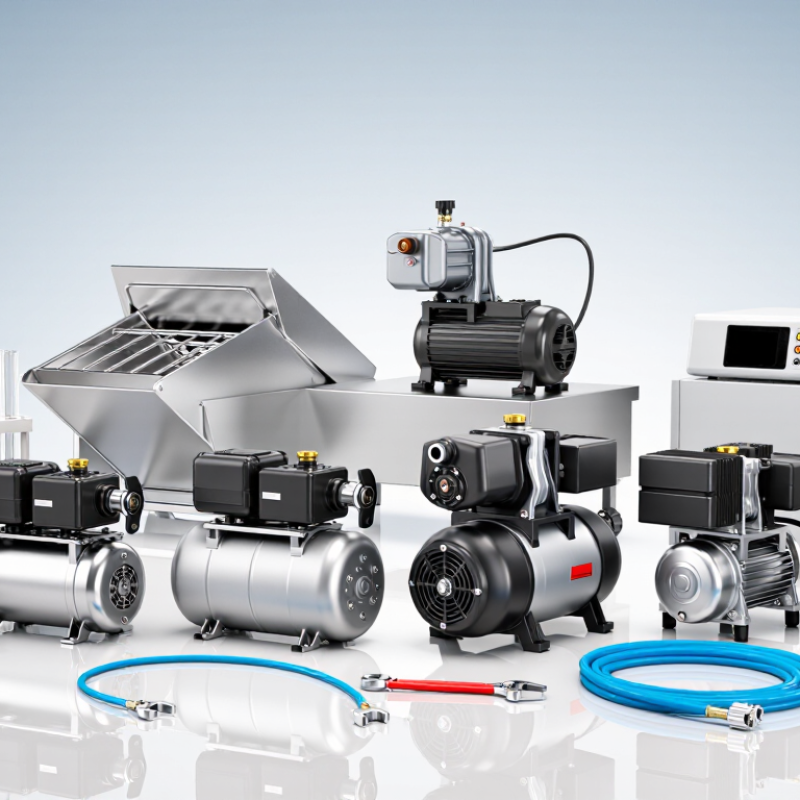
China Top 10 Oilless Air Compressor Pump Manufacturers

What Is an Oilless Air Compressor Pump?

An oilless air compressor pump compresses air without adding oil to the compression chamber. Moving parts may rely on engineered polymers, carbon-based materials, or specially treated surfaces instead. In a piston pump, for example, a piston moves inside a cylinder while rings help control air leakage. Other pump designs work differently. No oil inside the chamber. This can reduce the chance of oil entering the compressed air, which matters in settings where clean air is important.

“Oilless” does not mean maintenance-free, or that every part of a compressor is free from lubricant. Bearings and other components may have separate lubrication, depending on the design. Heat, dust, worn seals, and frequent starts can still affect performance. The pump may also produce warm, moist air, so filtration or drying equipment could be needed for a specific task. Check the stated duty cycle and service intervals, not just the label. It is easy to assume oil-free means perfectly clean air; that assumption deserves a closer look. Regularly inspecting the intake filter and listening for new rattling can help reveal problems early.

How Oilless Compressor Pumps Are Made in China

China Top 10 Oilless Air Compressor Pump Manufacturers

How Oilless Compressor Pumps Are Made in China

Making an oilless compressor pump begins with a design matched to airflow, pressure, and duty cycle. Factories select materials for the cylinder, crankcase, and moving parts. Aluminum alloy can reduce weight, while cast iron may suit some heavier designs. The choice depends on the pump’s intended use. No single material fits every model.

Parts are cast or formed, then machined to close tolerances. Workers smooth sharp edges and check the cylinder bore, where piston rings must seal without oil lubrication. These rings often use low-friction materials such as PTFE-based compounds. Small gaps matter. A rough bore can increase heat and wear. The motor, crankshaft, connecting rod, and cooling fan are then assembled, with alignment checked during production.

After assembly, each pump may undergo a run-in test, followed by checks for airflow, pressure, temperature, vibration, and noise. Technicians can use gauges and listening tests to catch problems, though neither method alone tells the whole story. Test results should be recorded against clear acceptance limits. A clean exterior proves little. Production methods and inspection depth vary between factories, so buyers should ask how performance is measured and how rejected units are handled. Even a careful process can miss a flaw.

China’s Oilless Air Compressor Pump Manufacturing Process

A typical production workflow, from component preparation to final inspection. The chart shows process order—not production time, output, or a ranking of manufacturers.

Process details vary by pump design. Oilless pumps generally use non-lubricated compression components and are checked for performance and leaks before shipment.

Criteria for Evaluating Chinese Pump Manufacturers

When comparing Chinese oilless air compressor pump manufacturers, start with the duty cycle, not the catalog headline.

Ask for rated pressure, airflow, speed, ambient temperature, and expected daily running hours. Check whether figures come from a complete pump test or a calculated estimate. Small difference. Request a test sheet showing measured flow, discharge temperature, noise, and power draw at a stated pressure. A clear method matters more than a polished chart.

For oil-free designs, inspect cylinder coating, piston-ring material, seals, and cooling paths. These parts affect wear and air quality, though no design is maintenance-free.

Assess production control through dated inspection records, incoming-material checks, and sample traceability. Ask how the factory handles a failed unit and how quickly replacement parts can be supplied. Verify relevant quality certificates with the issuing body, and confirm that the certified site matches the production address. Visit if feasible.

Listen to a pump after it has warmed up; a cold startup alone can hide vibration or heat issues. Compare warranty terms, spare-part lead times, and technical support in writing. A low quote may exclude fittings, testing, or packing details.

A short audit cannot prove long-term reliability. Use a pilot order and log operating hours, temperature, and service needs. I would still leave room for doubt.

China’s Top 10 Oilless Air Compressor Pump Manufacturers

China’s top 10 oilless air compressor pump manufacturers represent a varied manufacturing sector, from compact workshop pumps to components for medical and laboratory equipment. A ranking can be a useful starting point, but it is not proof of suitability. Buyers should compare operating pressure, airflow, noise, and expected service life against their actual use. Small details matter.

Ask manufacturers how they test pump output and verify performance at different duty cycles. Request material specifications for pistons, seals, and cylinder coatings, along with recommended maintenance intervals. Oil-free compression reduces the risk of oil entering the compression chamber, but clean output also depends on filtration, sealing, and upkeep. Check the details. A clear test report is more useful than a polished product claim.

Factory capability matters, too. Confirm whether the supplier can provide replacement parts, technical documents, and support for installation or troubleshooting. Ask for sample inspection records and clarify how production changes are controlled. A brochure may look convincing; it rarely shows how a pump handles heat after hours of operation. I would still verify that point with real test data, even when the specifications seem complete.

Key Applications and Specifications of Oilless Pumps

Oil-free compressor pumps serve applications where oil carryover can damage products or instruments, including food packaging, dental clinics, laboratories, electronics assembly, and pharmaceutical production. “Oil-free” describes the compression chamber; it does not guarantee contaminant-free air. Intake conditions, piping, filters, and dryers still affect air quality. Specify the required ISO 8573-1 purity class for particles, water, and oil before comparing equipment.

Size the pump using free air delivery at the required working pressure, not displacement alone. Check duty cycle, motor power, receiver capacity, noise, and outlet temperature against actual demand. The U.S. Department of Energy’s Improving Compressed Air System Performance guide notes that leaks may waste 20–30% of compressor output in poorly maintained systems. That is a costly gap. In a small clinic, for example, an undersized pump may struggle during simultaneous tool use, while an oversized unit can cycle frequently. A practical specification should include peak flow and expected daily operating hours.

Tips: Ask for flow and pressure test conditions, plus maintenance intervals. Verify air quality at the point of use, not only at the pump outlet. A detail worth rechecking: real demand often differs from the original estimate.

FAQS

What does “oilless” mean in a compressor pump?

It means the compression chamber operates without oil lubrication. It does not guarantee contaminant-free air.

Which materials are commonly used in oilless pumps?

Aluminum alloy can reduce weight, while cast iron may suit heavier designs. The right choice depends on the intended use.

Why does the cylinder bore need careful machining?

Piston rings must seal against a smooth bore. Rough surfaces can increase heat and wear. Small gaps matter.

What checks may a pump undergo after assembly?

Testing may cover airflow, pressure, temperature, vibration, and noise. Ask for recorded results and clear acceptance limits.

How should I choose the pump’s airflow capacity?

Compare free air delivery at your required working pressure. Displacement alone may not reflect usable flow.

What specifications should I consider before buying?

Check peak flow, duty cycle, motor power, receiver size, noise, and outlet temperature. Include expected daily operating hours.

Does an oilless pump provide clean air at the point of use?

Not by itself. Intake conditions, piping, filters, and dryers affect air quality; verify it where the air is used.

How can I estimate demand for a small clinic?

Consider tools running at the same time and expected operating hours. An undersized pump may struggle; an oversized one may cycle often. Estimates can be wrong.

Conclusion

An Oilless Air Compressor Pump supplies compressed air without relying on oil for lubrication in the air-compression chamber, making it suitable for applications where clean air and straightforward maintenance are important. This article explains how these pumps are produced in China, from material selection and component machining to assembly, testing, and quality control. It also outlines practical criteria for evaluating manufacturers, including production capacity, engineering expertise, product consistency, customization options, and after-sales support.

The guide introduces China’s top ten manufacturers as a market overview, focusing on the capabilities and product factors buyers can compare rather than brand promotion. It also reviews common applications in areas such as healthcare, laboratories, food processing, and light industrial work, where air quality and dependable operation matter. By considering pressure, airflow, duty cycle, noise, power requirements, and maintenance needs, readers can better match pump specifications to their equipment and operating conditions.

Oliver

Oliver

Oliver is a seasoned marketing professional with a wealth of expertise in driving brand awareness and engagement. With a deep understanding of our company's product offerings, he consistently delivers high-quality content that enriches our professional blog. His insights not only shed light on......