Choosing the right Air Blower Compressor for your business is crucial. In the competitive landscape of manufacturing and service industries, selecting the right equipment can improve efficiency and reduce costs. According to a report by Global Market Insights, the air compressor market is projected to exceed $50 billion by 2026. This growth signifies the importance of selecting reliable machinery.
The right Air Blower Compressor can enhance productivity significantly. A study from the Institute of Compressed Air Technology shows that businesses using high-efficiency compressors can save up to 30% on energy costs. This is compelling evidence for the importance of making informed decisions. However, many professionals overlook key factors like capacity, energy efficiency, and maintenance requirements.
Investing in an inadequate air compressor can hinder operations, leading to potential losses and downtime. This highlights the necessity for thorough research and understanding of your unique needs. With the right approach and knowledge, you can secure an Air Blower Compressor that not only meets your demands but also offers long-term reliability and performance.
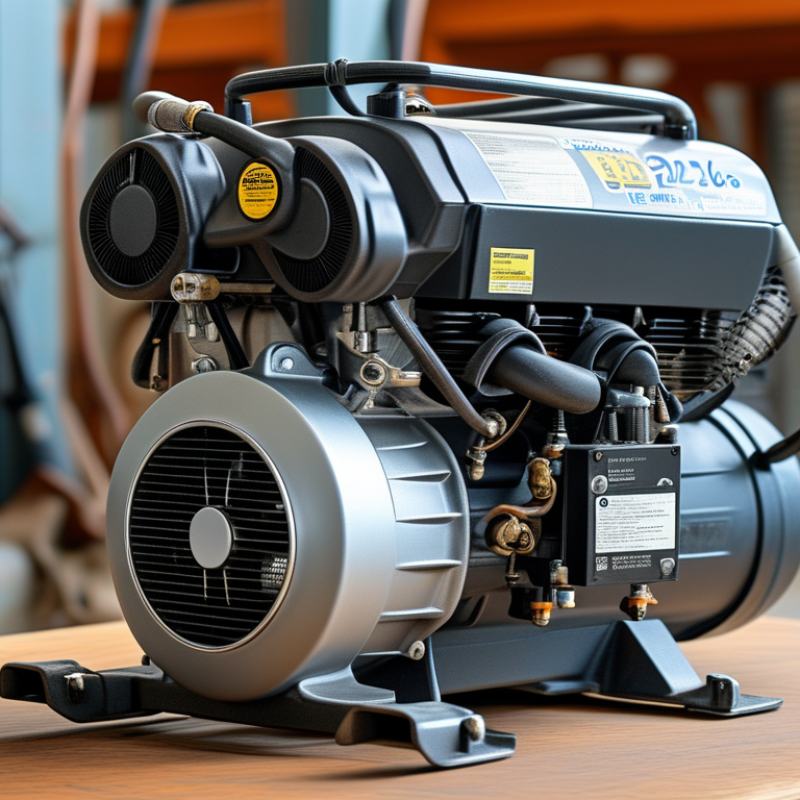
Understanding the Functionality of Air Blower Compressors
Understanding the functionality of air blower compressors is essential for selecting the right equipment for your business. These machines convert power into kinetic energy, creating high-pressure air that can be used for various applications. They are commonly used in manufacturing, construction, and even in service industries. The right compressor can significantly improve efficiency and productivity.
When choosing an air blower compressor, consider the specific requirements of your tasks. Air pressure and airflow rate are crucial factors. Higher pressure can enhance the performance of tools, while an adequate airflow rate ensures consistent operation. It's important to match the compressor's capacity with your tools’ needs. Purchasing a unit that is too large or too small may lead to underperformance or excessive energy costs.
There are considerations during the selection process. Evaluate the compressor's noise level, as some environments may require quieter machines. Maintenance needs should also be assessed. Regular upkeep can prevent unexpected breakdowns, which can disrupt operations. Checking for warranty options is wise, as it reflects the manufacturer’s confidence in the product. Balancing these factors will lead to a more informed choice, enhancing overall reliability and efficiency.
Key Factors to Consider When Selecting an Air Blower Compressor
When selecting an air blower compressor, several key factors play a crucial role. First, it's important to consider the intended use of the compressor. Different applications require varying pressures and volumes. According to industry data, a compressor that offers at least 90 PSI is standard for most commercial uses. However, for specialized tasks, higher pressures may be necessary.
Another significant variable is energy efficiency. Compressors can consume large amounts of electricity. Research indicates that energy-efficient models can reduce operational costs by up to 30%. Look for units with higher Energy Star ratings. This not only ensures better performance but also supports environmental initiatives.
Size and portability matter too. Smaller compressors are often easier to move and store, making them ideal for businesses with limited space. However, larger models typically provide greater output, which could be essential for heavy-duty operations. Evaluating the balance between size and capacity is essential. Reflecting on these factors can save time and resources in the long run. Remember, selecting the right model is about aligning your business needs with operational efficiency.
Types of Air Blower Compressors: Which One Suits Your Business?
Choosing the right air blower compressor can tremendously impact your business operations. There are several types available. Understanding their unique features is crucial.
Rotary screw compressors are popular for continuous use. They provide a steady air supply. These are ideal for manufacturing plants and workshops.
On the other hand, piston compressors are more suited for intermittent tasks. They can handle heavy loads but may require more maintenance.
For those in need of portability, consider diaphragm compressors. These are lightweight and easy to move. They work best for small tasks or tight spaces. However, they may not be as powerful as other types.
Evaluating your specific needs will help. It’s worth reflecting on what functions are most essential for your business.
Evaluating Performance Specifications for Air Blower Compressors
When selecting an air blower compressor for your business, evaluating performance specifications is crucial. Look for key metrics like CFM (Cubic Feet per Minute), PSI (Pounds per Square Inch), and power efficiency. According to industry reports, compressors with a higher CFM rating deliver more air, making them ideal for impactful tasks like industrial cleaning or pneumatic tools. Compressors rated above 20 CFM are often necessary for heavy-duty operations.
The PSI rating measures the air pressure the compressor can generate. For most applications, a compressor with at least 90 PSI is advisable. This ensures it can handle various equipment effectively. Experts recommend assessing your specific needs to avoid under or over-investing. Remember, a compressor operating inefficiently can lead to inflated energy costs. Evaluate the noise levels as well; quieter models are often favored in environments where noise regulations are stricter.
Lastly, consider the compressor's duty cycle. A continuous duty cycle is essential for high-demand applications, while intermittent duty cycles may suffice for less frequent use. Some users overlook maintenance requirements that can impact performance. Regular checks can prevent inefficiencies. By meticulously analyzing these performance specifications, you’ll better align your choice with your operational requirements.
Maintenance and Efficiency: Ensuring Longevity of Your Air Blower Compressor
Maintaining your air blower compressor is crucial for its efficiency and longevity. Regular maintenance extends its life and keeps it functioning at peak performance. Begin by checking the oil levels and ensuring they are sufficient. This simple task can prevent wear on critical components. Inspect air filters frequently; blocked filters can drastically reduce the efficiency of your compressor. A clean filter allows for optimal airflow and better performance.
Another important aspect is monitoring the compressor's temperature. Excess heat can lead to mechanical failure. Make it a habit to check the temperature gauge during operation. Consider scheduling routine inspections with a qualified technician. Their expertise can identify potential issues before they escalate. It’s essential to keep a maintenance log. This documentation helps track repairs and performance over time.
While each compressor requires specific care, general guidelines apply to most models. Some users may overlook small leaks, thinking they are insignificant. However, these leaks can lead to larger issues. Addressing them promptly is always wiser. Understanding your machine's needs through consistent attention is vital for sustainable operation.
Air Blower Compressor Maintenance and Efficiency
FAQS
: Consider intended use, pressure needs, energy efficiency, size, and portability. Each factor affects efficiency and performance.
A compressor that offers at least 90 PSI is generally standard for most commercial uses.
Energy-efficient models may reduce operational costs by up to 30%, helping your business save money.
Common types include rotary screw, piston, and diaphragm compressors, each catering to different needs and tasks.
Regular maintenance extends the compressor's life and ensures it operates efficiently at its best performance.
Check oil levels, inspect air filters, monitor temperature, and consider routine inspections by a qualified technician.
Small leaks can lead to larger issues over time. Address them promptly to avoid bigger problems.
Yes, smaller models are easier to store and move, while larger ones offer greater output for heavy-duty tasks.
Consistent monitoring of performance, temperature, and any unusual noises can indicate when servicing is required.
Keep a maintenance log that tracks inspections, repairs, and performance to ensure long-term efficiency.
Conclusion
Choosing the best Air Blower Compressor for your business involves a comprehensive understanding of its functionality and various operational aspects. Key factors such as your specific application needs, compressor type, and performance specifications play crucial roles in making an informed decision. Exploring the different types of Air Blower Compressors will help you identify which model aligns best with your business requirements.
Additionally, maintaining and ensuring the efficiency of your Air Blower Compressor is vital for its longevity and optimal performance. Regular upkeep and monitoring of performance specifications will not only enhance the compressor's lifespan but also improve its operational reliability. By considering these elements, businesses can select an Air Blower Compressor that effectively meets their demands and contributes to their overall productivity.