
In today's competitive market, businesses often seek efficient solutions to meet their operational needs. A Scroll Compressor stands out as a key player in this quest. These compressors utilize a unique design that enhances performance while minimizing energy consumption. As industries strive for sustainability, the Scroll Compressor offers a reliable option to reduce costs and environmental impact.
Scroll Compressors deliver consistent pressure and lower noise levels, which can benefit various applications. This reliability comes from their simple, yet effective, design. However, some businesses may not fully understand their advantages. This lack of awareness creates an opportunity for exploration and learning.
Moreover, while Scroll Compressors are effective, they are not without challenges. Maintenance can be more complex than traditional options. Businesses need to weigh these factors carefully. The decision to choose a Scroll Compressor should be based on a complete assessment of needs and capabilities. Embracing this technology can lead to significant improvements, but it demands thoughtful consideration.
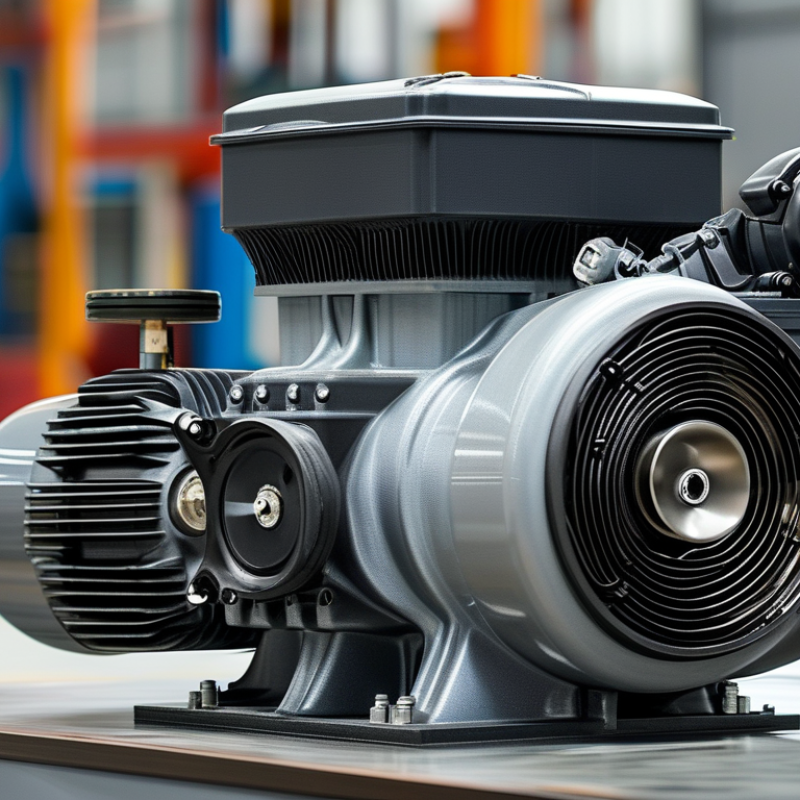
Scroll compressors have become increasingly popular for industrial applications due to their unique design and efficiency. They operate using two spiral elements, which results in continuous compression of refrigerants or gases. This mechanism leads to a smooth and quiet operation, making them an ideal choice for businesses seeking low noise levels in their facilities.
One significant benefit of scroll compressors is their energy efficiency. They tend to have higher performance ratios compared to traditional compressors. This translates to lower energy bills for businesses, especially those operating heavy machinery. Additionally, their compact design allows for easier installation in tight spaces. However, it is essential to monitor the system for any irregularities. Unforeseen issues can arise if maintenance routines are neglected.
Reliability is another advantage provided by scroll compressors. With few moving parts, these compressors often require less maintenance and have a longer lifespan. They can handle varying loads effectively, supporting the fluctuating demands of many industrial processes. That said, proper sizing for specific applications is crucial. An improper fit can lead to inefficiencies and unnecessary wear, which is worth considering before making a purchase decision.
Scroll compressors stand out when compared to traditional compressor types. They feature two spiral elements that efficiently compress gas, leading to superior energy efficiency. Unlike piston compressors, which experience higher vibration and noise, scroll compressors operate smoothly and quietly. This makes them ideal for settings where noise reduction is essential.
Another advantage of scroll compressors is their reliability. They generally have fewer moving parts, reducing wear and maintenance needs. Traditional compressors often face issues with leaks and breakdowns. Scroll compressors, however, maintain a consistent performance over time. Yet, they can be sensitive to certain operating conditions. Users must understand the specific requirements of their applications to maximize efficiency.
While scroll compressors have their benefits, they are not suitable for every situation. For example, their initial installation costs may be higher than piston alternatives. Additionally, in applications requiring high-pressure outputs, traditional compressors might perform better. Business owners should weigh these factors carefully. Understanding both types enables informed decision-making that aligns with operational needs.
Scroll compressors are increasingly popular in many industries. Their energy efficiency is a key selling point. Compared to traditional compressors, they consume less power for the same cooling output. This is crucial for businesses looking to reduce utility bills. The potential energy savings can lead to significant cost reductions over time.
In addition to energy efficiency, scroll compressors offer reliable performance. They have fewer moving parts, which reduces wear and tear. This can result in lower maintenance costs. However, some businesses may face challenges during the initial investment phase. The upfront cost can be higher than other options, causing hesitation.
Moreover, while scroll compressors are efficient, they may not be suitable for all applications. Users must ensure their needs align with the strengths of scroll technology. Understanding these nuances can ensure companies make informed choices. Balancing cost and efficiency requires careful evaluation.
Scroll compressors have gained attention in various industries due to their advanced features and efficiency. These compressors operate with fewer moving parts, resulting in less wear and tear. This can lead to longer lifespans and lower maintenance costs. The innovative design also minimizes vibration, which contributes to quieter operation.
One key feature of scroll compressors is their ability to handle varying loads efficiently. They can adapt to different conditions, maintaining optimal performance without compromising energy usage. Users often report lower operational costs with these systems.
Tips: Regular maintenance is essential. Check for leaks to ensure optimal performance. Consider training staff on the compressor’s operations for better efficiency. Understanding its mechanics can provide deeper insights into potential issues.
The technology behind scroll compressors is continually evolving. New materials are being introduced for increased durability. However, transitioning to new models or technologies might pose challenges. It’s critical to assess your specific needs before making a switch. Re-evaluating existing systems can provide clarity on upgrades.
Scroll compressors have carved a niche in various industries due to their efficiency and versatility. They are commonly employed in air conditioning systems, refrigeration units, and heat pumps. According to a 2022 market report, the demand for scroll compressors in the HVAC sector is expected to reach $9 billion by 2025. This substantial growth highlights their importance in fulfilling energy efficiency and performance standards.
In the food and beverage industry, scroll compressors play a critical role in maintaining optimal refrigeration. They ensure that perishables remain fresh during storage and transportation. Studies reveal that using scroll compressors can improve energy efficiency by up to 30% compared to traditional systems. This data is vital for companies aiming to reduce operational costs while optimizing product quality.
However, not all applications suit scroll compressors. They may not perform well in environments with extreme fluctuations in demand. Businesses should evaluate their unique needs carefully. Consideration of factors like load variability is essential. Making an informed decision requires understanding both advantages and limitations.
: Scroll compressors are known for their energy efficiency and quiet operation. They compress gas using two spiral elements.
Unlike piston compressors, scroll compressors have less vibration. They also operate more quietly, which is beneficial for noise-sensitive areas.
Scroll compressors have fewer moving parts. This reduces wear and maintenance needs compared to traditional compressors, which can have leaks.
Yes, their initial installation costs can be higher. They may also struggle in applications needing high-pressure outputs.
They are often used in air conditioning, refrigeration, and heat pumps. Their versatility makes them valuable in various industries.
They maintain optimal refrigeration for perishables, improving energy efficiency by up to 30% compared to traditional systems.
Businesses need to evaluate load variability and specific application needs. Not all environments are suitable for scroll technology.
Yes, they typically perform consistently well. However, they can be sensitive to certain operating conditions that must be monitored.
The demand is expected to reach $9 billion by 2025, reflecting their importance in energy efficiency and performance standards.
Not necessarily. They may not fit all applications, especially those with extreme demand fluctuations. Understanding limitations is crucial.
Scroll compressors have become increasingly popular in various industrial applications due to their numerous benefits. Their design leads to enhanced energy efficiency, significantly reducing operational costs compared to traditional compressor types. The ability of scroll compressors to operate with minimal mechanical wear and tear results in lower maintenance needs, further contributing to cost savings.
Innovations in scroll compressor technology have introduced key features such as quieter operation and compact sizes, making them suitable for a range of applications, from refrigeration to HVAC systems. Industries that prioritize energy efficiency and reliability have found scroll compressors to meet their demands effectively, ensuring optimized performance and sustainability in their operations.
