
Choosing the right Industrial Air Compressor can significantly impact operational efficiency. As noted by John Smith, a leading expert in the compressor industry, “Selecting the right air compressor goes beyond just specifications; it’s about understanding your unique needs.” This statement highlights the complexity of making the right choice.
When considering an Industrial Air Compressor, it's crucial to assess your specific requirements. Different applications demand different capacities and technologies. Noise levels, portability, and energy efficiency also play key roles. A compressor that works for one industry may not suit another. Think about your daily operations and how an air compressor will fit in.
Investing time in understanding your needs can prevent costly mistakes. Too often, businesses choose a compressor based solely on price. This approach can lead to inefficiency and increased operational costs. Take the time to evaluate options thoroughly. Your choice of an Industrial Air Compressor will affect productivity and bottom-line performance for years to come.
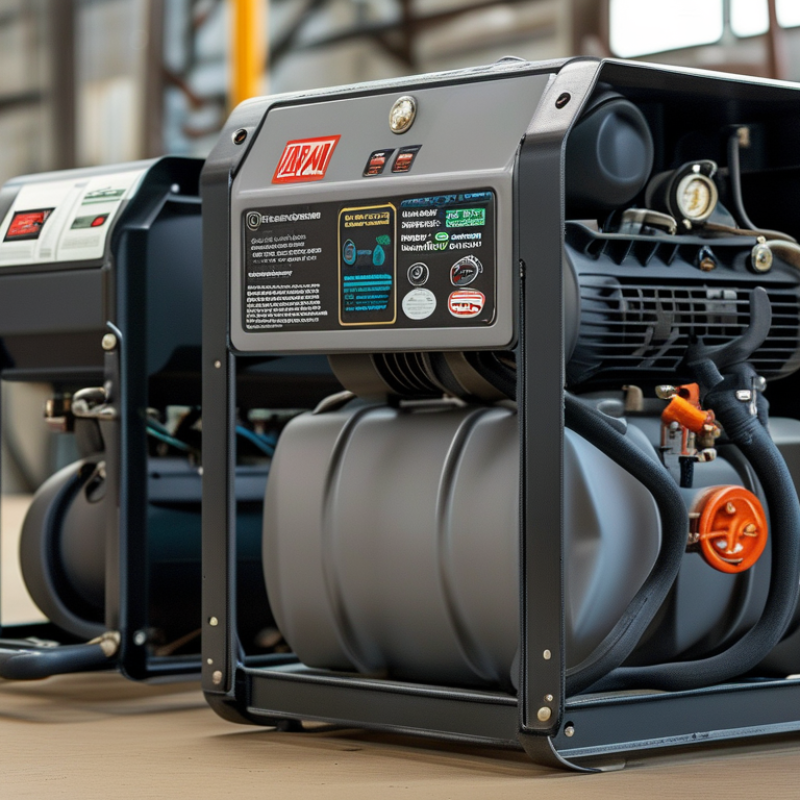
When selecting an industrial air compressor, it's essential to understand the different types available. The most common types include reciprocating, rotary screw, and centrifugal compressors. Each has unique features tailored to specific applications. Reciprocating compressors are reliable for high-pressure requirements. They offer excellent output for small to medium-sized operations. However, they can be noisy and require more maintenance.
On the other hand, rotary screw compressors are known for their efficiency and quieter operation. They are ideal for continuous use in larger industrial settings. These compressors tend to be more expensive upfront but often save on energy costs over time. Centrifugal compressors are designed for large volume output. They are typically used in heavy industries like chemical production. While they offer high efficiency, initial installation can be complex and costly.
Knowing your needs is critical. Consider the required pressure, volume, and energy efficiency. Each type can perform well if utilized correctly. Yet, the wrong choice may lead to inefficiencies. Reflect on your operational demands. Think about future scalability, as this can affect your long-term costs.
Choosing the correct size and capacity for an industrial air compressor is crucial for operational efficiency. A recent report from the Compressed Air and Gas Institute (CAGI) highlights that improperly sized compressors can lead to energy waste, estimated at over 30% more consumption than necessary. Overlooking this aspect can significantly inflate operational costs.
Capacity is measured in cubic feet per minute (CFM). For instance, if your application requires 50 CFM at a specific pressure, it's vital to choose a model that meets or exceeds this demand. Generally, a safety margin of 20-30% capacity is recommended to account for potential peaks in compressor usage. Many operators underestimate their requirements, leading to insufficient supply during high-demand periods. This can cause production delays and impact overall productivity.
Furthermore, organizations often neglect environmental impacts when considering compressor size. An oversized compressor not only consumes excess energy but also contributes to higher emissions. Balancing efficiency with environmental responsibility is essential in today’s industry. Regular evaluations and adjustments based on current needs can foster sustainable practices while maintaining operational reliability.
When considering an industrial air compressor, choosing the right power source is crucial.
Electric compressors are known for their efficiency and low maintenance. They run quietly, offering a stable power supply. This makes them ideal for indoor use and environments where noise is a concern. However, they depend on a power outlet, which may limit their mobility.
Gas-powered compressors provide portability. They can run in remote locations without needing electricity. This is beneficial for outdoor jobsites or areas with no power access. Yet, they can be noisier and require more maintenance compared to electric models. Emissions can also be an issue, making them less eco-friendly.
Tip: Evaluate your work environment before making a choice. If you have consistent access to power, an electric compressor might suit you better. For jobs in remote areas, gas-powered options could save you time and effort. Weigh the pros and cons carefully. Ultimately, the right choice aligns with your specific needs and environment. Don't rush this decision; take the time to research and reflect on your requirements.
Choosing the right industrial air compressor requires careful consideration of key features and specifications. Pressure capacity is crucial; typically, industrial compressors range from 90 to 175 PSI. Higher pressure ratings allow for greater efficiency in various tasks. Flow rate is another critical factor; confirm if the compressor can deliver sufficient cubic feet per minute (CFM) to meet your operational demands. A study from the Compressor Manufacturers Association indicates that poorly matched CFM can lead to energy inefficiency.
Tank size also plays a significant role. Smaller tanks may lead to frequent cycling, wasting energy and potentially damaging the compressor over time. Larger tanks can provide a more stable air supply. However, they also require more space and additional investment. Noise level is often overlooked but can affect workplace safety and comfort. Many industrial models now operate between 60 to 70 dB, which is more acceptable for long-term use.
Additionally, the type of compressor matters. Rotary screw compressors are efficient for continuous operation, while reciprocating compressors may suffice for intermittent use. It’s essential to align your choice with the application intensity. An industry report noted that opting for energy-efficient models can reduce operational costs by up to 30%. However, don’t disregard the potential for maintenance costs. Choosing a compressor with easier service access can save both time and money in the long run.
When budgeting for an industrial air compressor, consider both purchase and maintenance costs. Purchase prices can vary widely. You may find compressors starting in the low thousands and going well into the tens of thousands. The upfront cost is just one part. Factor in the long-term expenses, too.
Maintenance is crucial for reliability. Neglecting upkeep can lead to breakdowns. This might mean higher costs in repairs. Regular maintenance checks can prevent this. However, even with routine care, components like filters and belts will wear out. These small details add to budget considerations.
Another key point is energy efficiency. A more efficient compressor might cost more initially. Still, it can save money over its lifetime through lower energy bills. Evaluate the total cost of ownership. Sometimes, cheaper options lead to higher expenses later. Be prepared for the unexpected. Recognizing these factors helps ensure you make a sound financial decision.
This chart illustrates the estimated costs associated with purchasing and maintaining different types of industrial air compressors. The data represent the initial purchase cost and annual maintenance costs over a five-year period.
: The most common types include reciprocating, rotary screw, and centrifugal compressors. Each type is suited for specific applications.
Reciprocating compressors are reliable for high-pressure needs. They are excellent for small to medium-sized operations.
Rotary screw compressors are more efficient and quieter. They suit continuous use in larger industrial settings.
Consider pressure, volume, and energy efficiency. This ensures that you meet your operational needs properly.
An improperly sized compressor can lead to energy waste and inflated operational costs. It's crucial for efficiency.
A safety margin of 20-30% is advised to handle peaks in usage effectively and avoid production delays.
An oversized compressor consumes more energy and contributes to higher emissions. This can harm both finances and the environment.
Regular evaluations and adjustments can help maintain operational reliability and encourage sustainable practices in your facility.
Choosing the right industrial air compressor is crucial for optimizing efficiency and meeting the specific needs of various applications. Understanding different types of industrial air compressors is the first step, as each type serves unique purposes and industries. Evaluating the appropriate size and capacity ensures that the compressor can handle the demands of your operations effectively.
Further considerations include the choice between electric and gas-powered compressors, each having its advantages depending on the work environment and power availability. Key features and specifications, such as pressure levels, flow rates, and durability, play a significant role in selection. Lastly, budgeting for both the initial purchase and ongoing maintenance is essential to ensure long-term functionality and cost-effectiveness of your industrial air compressor.
