
How to Choose the Right Screw Blowers for Your Needs?

Time:2026-08-25 Author:Oliver
0%

Choosing the right Screw Blowers for your needs is crucial for efficiency. These machines play a significant role in various industries. Understanding their specifications is key.

Screw Blowers come in different sizes and capacities. Selecting the wrong type can lead to inefficiencies. You might face increased energy costs or inadequate airflow. It's essential to analyze your requirements carefully.

Consider the specific application and environmental conditions. This choice isn't just about performance; it's also about reliability. Neglecting these factors could result in operational issues down the line. Seek expert advice when necessary to ensure informed decisions.
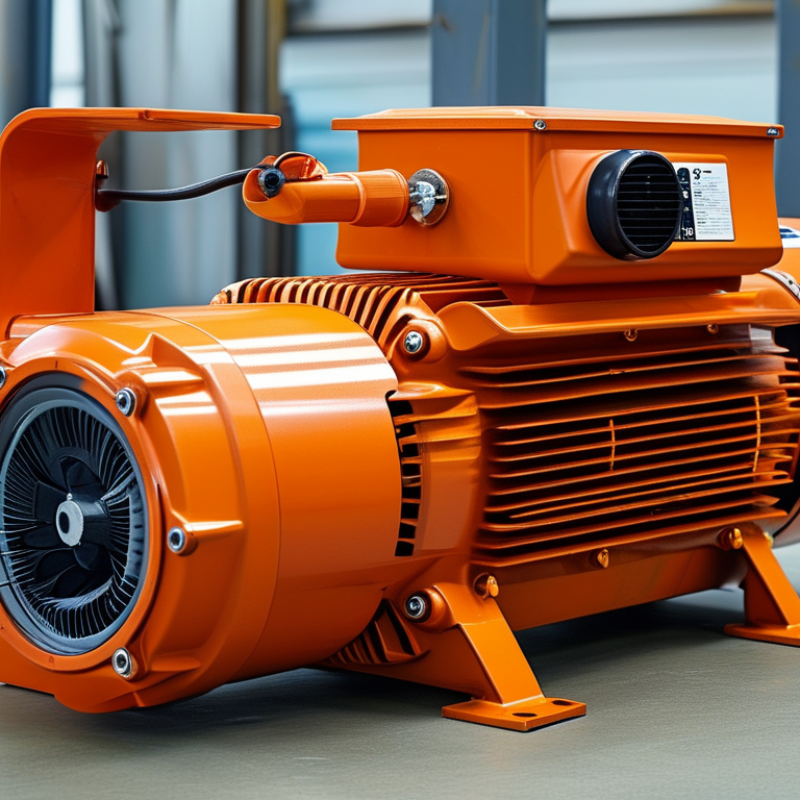
How to Choose the Right Screw Blowers for Your Needs?

Understanding the Basics of Screw Blowers and Their Applications

Screw blowers are crucial tools in many industrial applications. They efficiently convey air or gas while maintaining high pressure. Understanding their operation helps users select the right models for specific tasks. Unlike traditional compressors, screw blowers deliver a continuous flow. This feature makes them ideal for processes like pneumatic conveying and vacuum generation.

When examining screw blowers, consider factors such as airflow capacity and pressure requirements. Each application demands different specifications. For instance, packaging industries might require blowers that ensure a steady airflow to maintain product integrity. Marine applications could focus on durability and resistance to corrosion.

Selecting the right unit can seem daunting. It requires careful consideration of unique needs. Overlooking specific requirements can lead to inefficiency or higher costs. Evaluating past experiences and performance can guide future decisions. Understanding essential characteristics is key. Choosing wisely enhances both reliability and productivity.

Screw Blowers Application Analysis

This chart represents the distribution of screw blower applications across various industries. Each column illustrates the percentage of usage in the respective industry.

Identifying Your Specific Airflow and Pressure Requirements

When selecting screw blowers, understanding your specific airflow and pressure requirements is critical. Industries often require precise airflow rates to ensure efficient operations. For example, a report by the European Compressed Air and Vacuum Technology Association (EATVA) shows that optimizing airflow can improve energy efficiency by up to 30%. This data highlights the importance of accurate assessments.

Consider your application first. Will you need continuous operation or intermittent bursts of pressure? Many applications, like pneumatic conveying or wastewater treatment, have varying demands. A study from the American Society of Mechanical Engineers (ASME) indicates that failures often stem from miscalculating these parameters. Proper airflow and pressure must match the system's needs.

It's also essential to reflect on the environment where the blowers will operate. High temperatures can affect performance. In some cases, standard blowers may not suffice. Regular maintenance is vital to ensure that the blowers continue to meet your requirements. Take time to evaluate all factors before making a decision.

Evaluating Energy Efficiency and Operating Costs of Screw Blowers

Choosing the right screw blowers involves understanding energy efficiency and operating costs. Many users overlook this critical aspect, leading to increased expenses over time. An efficient screw blower can save energy while providing reliable performance. Evaluating the power consumption of different models is essential for long-term cost management.

When assessing operating costs, consider both initial purchase price and maintenance expenses. Some blowers may have a lower upfront cost but come with higher energy costs. Regular maintenance also impacts efficiency. Neglecting regular check-ups can lead to performance drops, resulting in higher operational costs.

Focusing on energy ratings can guide you towards making an informed decision. Not all high-rated models suit every application, which requires careful evaluation. Users should analyze their specific needs, such as airflow and pressure requirements. Finding a balance between performance and cost can be challenging. It's crucial to weigh every option before making a final choice.

Comparing Different Types and Brands of Screw Blowers

When considering screw blowers, the types and brands available can be overwhelming. Different applications demand specific features. For instance, rotary screw blowers are known for their efficiency and low maintenance. They can achieve energy savings of up to 20% compared to traditional blowers, according to industry reports. However, some users may find they require more power at peak times, leading to higher operating costs.

Comparing brands is crucial. Not every manufacturer offers the same durability or performance. In a recent survey, 30% of users reported consistency issues with their equipment. This highlights the importance of reliability. It’s vital to examine each option against your operational needs. Some blowers work better in high-pressure settings, while others are suited for variable volumes. User reviews often reflect these nuances, indicating real-world performance that technical specifications might not reveal.

Data also shows that service and support differ widely among brands. Over 40% of facilities faced downtime due to inadequate support. This indicates a need for carefully assessing after-sales service. Investing time in research can prevent unforeseen challenges down the road.

Maintenance Considerations for Long-Term Performance of Screw Blowers

When it comes to screw blowers, maintenance is key for ensuring their efficiency over time. Regular inspections can help you identify potential issues before they become major problems. Look for unusual noises or vibrations during operation. These could be signs that something is off. Staying proactive can save you from costly repairs later.

Quality lubrication is essential for the longevity of screw blowers. Check the oil levels frequently. Using the right type of lubricant prevents friction and wear on internal components. Ensure filters are clean and replace them as needed. This will keep air flowing smoothly and maintain optimal performance.

Regularly review your operating conditions. Overloading the blower or exposing it to harsh environments can lead to premature failure. Monitoring temperature and pressure parameters helps you stay within safe limits. This not only prolongs the life of the equipment but also enhances its efficiency. Keeping an eye on these factors creates a more reliable operation.

FAQS

: Why is understanding airflow and pressure requirements important?

: Accurate airflow rates enhance operational efficiency, improving energy use by up to 30%.

What should I consider before selecting screw blowers?

Assess whether you need continuous operation or intermittent pressure bursts for specific applications.

What common mistakes can lead to equipment failure?

Miscalculating airflow and pressure often leads to failures in systems using screw blowers.

How can the operating environment affect blower performance?

High temperatures may compromise efficiency. Standard blowers might not meet specific needs in such conditions.

What maintenance steps are crucial for screw blowers?

Regular inspections, checking lubrication, and cleaning filters are key. They prevent major issues later.

What unusual signs should I look for during operation?

Listen for unusual noises or vibrations. These could indicate a problem requiring attention.

How can I prolong the life of screw blowers?

Monitor operating conditions closely. Avoid overloading and extreme environments for better performance.

Why is lubrication important for screw blowers?

Proper lubrication reduces friction and wear, helping maintain efficiency and prolong equipment life.

What happens if I neglect regular maintenance?

Neglect can lead to costly repairs and reduced equipment lifespan, impacting overall operations.

How often should I check oil levels for blowers?

Regularly check oil levels to ensure optimal performance and prevent unnecessary wear.

Conclusion

When selecting the right screw blowers for your needs, it's essential to understand the basics of their operation and applications. Start by identifying your specific airflow and pressure requirements, as this will significantly influence the performance you can expect from different screw blowers. Additionally, evaluating energy efficiency and operating costs is crucial, as these factors contribute to the overall value and sustainability of your investment.

Comparing various types and brands of screw blowers is also important, enabling you to find models that align with your operational demands. Finally, consider maintenance requirements to ensure long-term performance, as regular upkeep can extend the lifespan and efficiency of your screw blowers. By following these guidelines, you can make an informed decision that best fits your operational needs.

Oliver

Oliver

Oliver is a seasoned marketing professional with a wealth of expertise in driving brand awareness and engagement. With a deep understanding of our company's product offerings, he consistently delivers high-quality content that enriches our professional blog. His insights not only shed light on......