
Choosing the right High Cfm Air Compressor can be challenging. With many brands and models on the market, it’s crucial to make an informed decision. According to John Miller, an industry expert at AirTech Innovations, "Selecting the right compressor can save you time and money." His insight underscores the importance of understanding the factors influencing compressor selection.
When evaluating options, consider your specific needs. High Cfm Air Compressors come in various sizes and power levels. Different projects demand different capacities. Knowing the required air pressure and volume is essential. You might find that your initial choice doesn’t meet your expectations. That’s a common mistake.
Additionally, comparing energy efficiency is vital. Energy costs can add up quickly. A reliable compressor should balance cost and performance. Investing in a high-quality unit often pays off in the long run. Remember, not every model is a perfect fit. Take time to research and weigh your options carefully. The right choice will enhance your work efficiency and satisfaction.
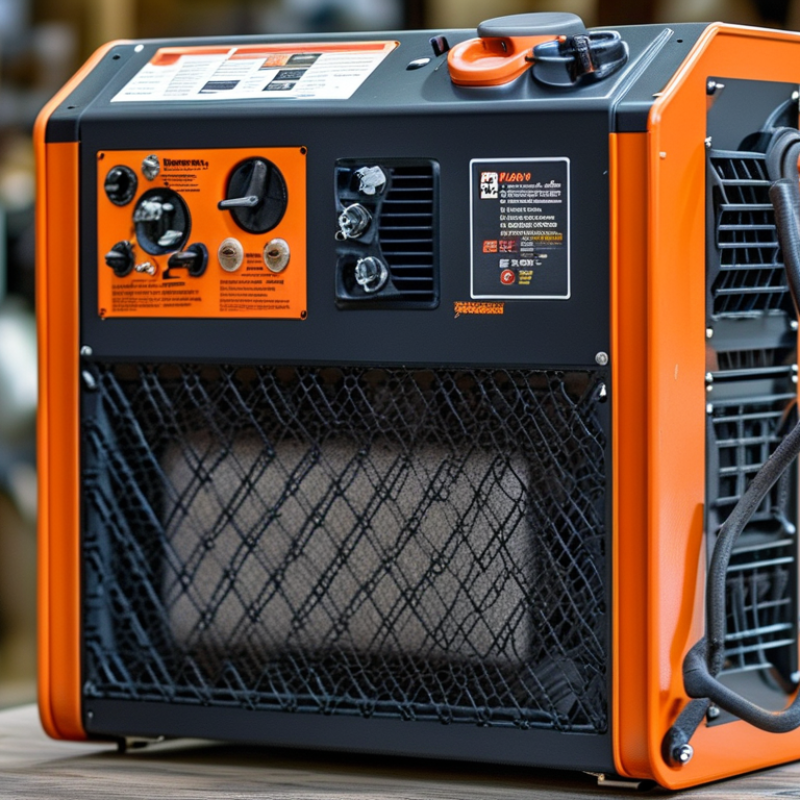
Understanding CFM, or cubic feet per minute, is crucial when selecting an air compressor. CFM measures the air flow rate. It indicates how much air a compressor can deliver in one minute. Higher CFM ratings are essential for demanding applications, such as spray painting or sandblasting. A compressor that delivers insufficient CFM can lead to inefficiencies and inadequate performance. For example, a spray painting task might require a compressor that can provide 14 CFM at 90 PSI to maintain optimal working conditions.
Choosing the right CFM depends on the tools you plan to use. Many pneumatic tools operate best within a specific CFM range. Reports suggest that tools like impact wrenches may need around 4 to 6 CFM, while sanders demand higher ratings. If the compressor can't meet these needs, the tools will underperform. It's a common mistake to overlook CFM requirements when selecting equipment. Poor performance can frustrate users and lead to costly delays in projects.
It's not just about the numbers; understanding CFM requires hands-on experience. Many users may find it hard to gauge their air requirements accurately. They might buy a compressor without considering fluctuating demands. Industry insights point out that a poorly matched compressor can hinder productivity. Reflecting on your specific tasks is vital. The importance of CFM becomes clear only when you experience the limits of an underpowered unit.
This chart illustrates the CFM (Cubic Feet per Minute) ratings of various air compressors. Understanding these values is crucial for selecting the right compressor for your needs.
When selecting a high CFM air compressor, several factors play a critical role. The CFM rating, or Cubic Feet per Minute, measures the air flow rate. A higher CFM indicates the compressor can power more tools simultaneously. An industry report from the National Institute for Occupational Safety and Health highlights that most pneumatic tools require CFM ratings above 10 to operate efficiently. Understanding your air tool requirements is essential for effective use.
Another key aspect is the pressure rating. Most air tools operate between 70 to 90 PSI. An air compressor should consistently meet this pressure for optimal performance. Reports suggest that compressors unable to maintain pressure can lead to inefficiencies and premature tool wear. Additionally, consider different types of compressors. Rotary screw compressors provide higher CFM and are suited for continuous use. Alternatively, reciprocating compressors are ideal for smaller tasks but may not support heavy-duty applications effectively.
Portability is also worth pondering. A stationary compressor may suit a workshop, but a portable model could be more practical for on-site jobs. Many users overlook maintenance needs, which can affect longevity and performance. Regularly checking oil levels, air filters, and belts extends the life of your compressor. Ensure you fully understand these factors, as they will directly impact your productivity and the lifespan of your tools.
When choosing a high CFM air compressor, understanding the types available is crucial. There are three main types: reciprocating, rotary screw, and centrifugal compressors. Each type serves specific needs and environments. Reciprocating compressors are common for small-scale jobs. They deliver high pressure in a compact size. Rotary screw compressors are efficient for continuous use. They are ideal for industrial applications. Centrifugal compressors are suited for large facilities requiring vast amounts of compressed air.
Consider noise levels and portability. Some compressors operate quietly, making them great for indoor use. Others might be loud but are high-performing for outdoor projects. Evaluating your workspace will guide you to the right choice. For smaller projects, a portable unit may suffice. Larger tasks may demand a stationary compressor with higher capacity.
It's wise to prioritize energy efficiency. Many compressors now feature technology that minimizes power usage. This could lead to significant savings over time. Reflect on your expectations and compare models. Don't rush; each type has its pros and cons. Knowing the differences helps maintain performance and longevity.
| Type | CFM Range | Power Source | Application | Noise Level |
|---|---|---|---|---|
| Reciprocating Compressor | 10 - 50 CFM | Electric/Gas | General purpose | 70 - 90 dB |
| Rotary Screw Compressor | 40 - 150 CFM | Electric | Industrial use | 60 - 80 dB |
| Scroll Compressor | 10 - 50 CFM | Electric | Medical applications | 50 - 70 dB |
| Portable Air Compressor | 2 - 10 CFM | Gas/Electric | Construction/DIY | 80 - 100 dB |
When evaluating air compressors, noise levels and energy efficiency are critical factors. Air compressor noise can range from 40 dB for quiet models to over 100 dB for industrial units. A study by the American Speech-Language-Hearing Association (ASHA) highlights that exposure to noise levels above 85 dB can lead to hearing loss over time. Therefore, choosing a model below this threshold is essential for long-term health, especially in residential and small business settings.
Energy efficiency is another vital consideration. The U.S. Department of Energy (DOE) reports that compressed air systems can account for up to 30% of a facility's energy costs. Selecting an energy-efficient model can significantly reduce expenses. Look for compressors that adhere to Energy Star ratings, indicating high efficiency. Understanding the air demand of your tools is also necessary. Oversized compressors waste energy, while undersized ones strain and shorten the unit’s lifespan.
It's evident that balancing noise and energy efficiency is not merely a preference but a necessity for sustainable use. Many consumers feel overwhelmed by the choices available. Understanding specific energy requirements and acceptable noise levels can help refine your options. Ultimately, thorough research and consideration of these factors lead to smarter, more responsible purchasing decisions.
When considering a high CFM air compressor, it's crucial to evaluate both the initial purchase price and long-term operational costs. High CFM compressors can be expensive upfront. They often come with features like durability and efficiency. However, this doesn't always guarantee low long-term expenses. Maintenance costs, energy consumption, and potential repair costs must be taken into account.
Operating costs play a significant role in budgeting. Air compressors consume a considerable amount of electricity. Choosing a model that is energy-efficient can lead to significant savings over time. Additionally, consider the cost of maintenance. Regular service can prevent costly repairs and extend the lifespan of the compressor. Some users overlook this aspect, which can lead to unexpected financial burdens.
Lastly, think about usage frequency. If you plan to use the compressor daily, investing in a more robust model may be wise. However, if its use is sporadic, a less expensive option could suffice. Balancing initial investment and ongoing costs is key. Reflecting on these elements can guide you toward the right decision. Choosing wisely today can save you from regrets tomorrow.
: CFM stands for Cubic Feet per Minute. It indicates air flow rate. Higher CFM means more tools can be used simultaneously.
Most air tools operate between 70 to 90 PSI. The compressor must maintain this pressure for best performance.
Yes, rotary screw compressors are for continuous use, while reciprocating compressors work well for smaller tasks.
Portable models are practical for on-site jobs. Stationary compressors fit well in workshops but limit mobility.
Regular maintenance, like checking oil and air filters, is crucial. Neglect can lead to reduced performance and lifespan.
Try to select models below 85 dB. Exposure to higher levels can lead to hearing loss over time.
Energy-efficient models reduce operational costs. They can significantly lower a facility's energy expenses.
Oversized compressors waste energy. Undersized ones strain and can shorten the unit’s lifespan, causing issues.
Understand your air tool requirements, noise levels, and energy needs. Research helps in making responsible choices.
With many options available, identifying specific needs can be challenging. Clarifying requirements simplifies the decision process.
Choosing the best high CFM air compressor requires a thorough understanding of the air compressor's Cubic Feet per Minute (CFM) ratings, as this measurement is crucial for determining the machine's performance and suitability for various tasks. Key factors to consider include the specific applications you plan to use the compressor for, the types of high CFM air compressors available, and how they differ in terms of energy efficiency and noise levels.
Additionally, it's important to factor in budgeting, not just for the initial purchase but also for long-term operational costs. By carefully evaluating these aspects, you can ensure that you select a high CFM air compressor that meets your needs effectively while being mindful of efficiency and budgetary constraints.
