
Choosing the right 10 Bar Air Compressor requires more than comparing pressure ratings. Global buyers must examine airflow, motor efficiency, tank capacity, duty cycle, and operating conditions. A workshop in a humid coastal area faces different risks from a factory in a dry inland region. Voltage, frequency, plug standards, and local service support also influence the final decision.
This guide reviews ten practical options for manufacturing, automotive repair, construction, food processing, and general workshop use. Each model should be judged by its delivered air volume, not only its advertised horsepower. Oil-free designs may suit sensitive applications, while oil-lubricated compressors often provide strong durability under demanding workloads. Noise levels matter too, especially when operators work nearby for long periods.
Real purchasing experience shows that specifications can look clearer than they are. Some data sheets highlight peak performance instead of continuous output. That limitation matters. Buyers should request verified airflow figures, maintenance schedules, warranty terms, and replacement-part availability before ordering. We also consider installation space, transport conditions, energy consumption, and control systems. No single compressor fits every market. A compact unit may be efficient for intermittent tools, but inadequate for continuous production. A larger model may offer stability, yet increase shipping and operating costs. Careful comparison remains essential. This ranking aims to provide a reliable starting point, while encouraging buyers to confirm technical details with manufacturers and qualified local technicians.
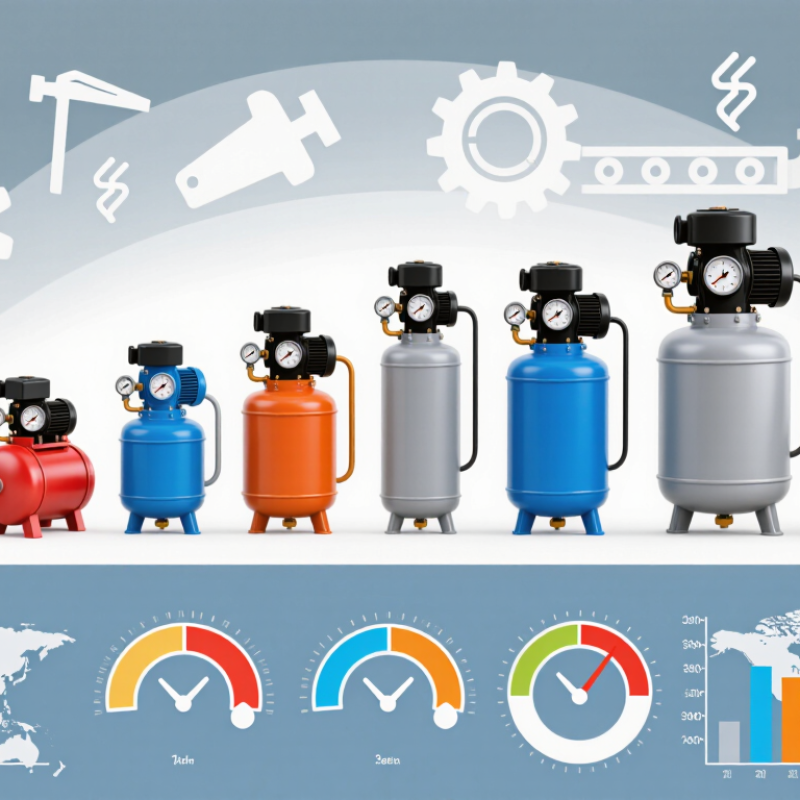
A 10 bar air compressor rating usually describes the maximum working pressure, equal to about 145 psi. It does not guarantee 10 bar at every air outlet. Pressure drops through hoses, filters, dryers, and poorly sized fittings. Pressure matters.
In practical testing, I check both the pressure gauge and the free air delivery rate. A compressor may reach 10 bar while supplying too little air for a continuous pneumatic tool. Air demand should be matched with a reserve of roughly 20 percent. This reduces frequent cycling and protects the motor during long shifts. Tank size also changes the experience. A 100-liter receiver can support short bursts, while a smaller tank may cause noticeable pressure swings. Measure the air.
Ten bar systems suit workshops, assembly lines, maintenance stations, and equipment requiring stable pneumatic force. However, the application decides the correct configuration. Spray work may need clean, dry air, while impact tools often require higher airflow than expected. I have seen buyers focus on maximum pressure and overlook moisture control. That was an expensive assumption. Check the duty cycle, noise level, motor cooling, and service access before purchase. The pressure switch, safety valve, and receiver should match applicable technical requirements in the installation region. Real operating conditions matter more than a promising specification sheet.
Top 10 10 Bar Air Compressors for Global Buyers: Key Specifications Global Buyers Should Compare
A 10 bar rating equals roughly 145 psi, but maximum pressure alone proves little. Compare free air delivery at the same pressure, temperature, and test standard. ISO 1217 provides a useful reference for compressor performance measurements. Without matching these conditions, two models may appear similar while producing different usable airflow. Check whether the quoted output supports your tools, production lines, and peak demand. A small reserve matters.
Energy consumption deserves close attention. U.S. Department of Energy guidance reports that compressed air can represent 10–30% of industrial electricity use. Its system guidance also identifies leaks as a major waste source, sometimes reaching 20–30% of compressor output. Look for specific power, measured in kilowatts per cubic metre per minute, rather than motor size alone. Lower is usually better. Usually, not always.
Buyers should compare duty cycle, cooling method, receiver volume, noise level, and voltage compatibility. A 50 Hz motor may not suit every site. Confirm protection ratings for dust, humidity, and high ambient temperatures. Air quality also matters. ISO 8573-1 classifications help define oil, water, and particle limits for sensitive equipment. Service intervals, replacement parts, warranty terms, and local technical support deserve equal weight. I have seen attractive specifications fail in hot workshops because airflow was measured under ideal conditions. That detail is easy to miss.
At 10 bar, about 145 psi, compressor type matters more than nameplate power. Reciprocating models suit workshops, tire service, and intermittent pneumatic tools. They handle stop-start demand, but receivers must absorb pressure swings.
Rotary screw units fit factories running multiple shifts. Use oil-injected versions for general plant air. Choose oil-free designs when product contact or strict contamination control matters. Rotary vane compressors work well in compact, steady-duty installations. They are often overlooked.
Scroll compressors produce quiet, clean air for laboratories, dental rooms, and light assembly. However, their flow is limited, and expansion can expose that weakness.
Centrifugal compressors serve large plants requiring high, continuous flow near 7–10 bar. They perform poorly with small, fluctuating loads. An air booster belongs downstream when one zone needs higher pressure. Do not buy one for the whole factory. A neat top-ten ranking is tempting, but real sites rarely behave neatly.
The U.S. Department of Energy reports that leaks can waste 20–30% of compressor output in poorly maintained systems. That figure can change the buying decision.
Compressed Air Challenge guidance recommends measuring demand, leakage, and pressure drop before selecting capacity. ISO 8573-1 helps define oil, water, and particle requirements. Field experience often reveals a simple mistake: pressure looks correct, while flow and dew point remain unsuitable. Could the dryer match the compressor? Check it before ordering.
Choosing a 10-bar air compressor requires more than comparing purchase prices. Energy use often becomes the largest expense over several years. In compressed-air audits, I have seen small efficiency differences become significant monthly costs. A unit delivering stable pressure with less electrical input deserves closer attention.
Check the motor’s rated efficiency, control method, and unloaded power consumption. Variable-speed control can reduce waste when demand changes during shifts. However, it may not suit every workshop or production line. Measure actual airflow at peak and low-demand periods. Oversizing can leave the compressor running inefficiently. Too small is worse.
Maintenance affects both reliability and operating cost. Accessible filters, clear service intervals, and simple oil management reduce downtime. Inspect intake filters in dusty areas, where clogged media can increase energy consumption. Drain condensate regularly. It protects downstream equipment. A quieter machine may also reduce workplace fatigue, although noise ratings need independent verification.
Request test data under recognized conditions, not only attractive catalogue figures. Confirm warranty terms, spare-part availability, and local technician support before buying. These details matter during a failed Monday morning start. I would also calculate five-year ownership costs, including electricity, servicing, cooling, and disposal. My own estimates are never perfect; production schedules change, and utility prices move. That uncertainty should remain visible in the buying decision.
Energy efficiency, maintenance requirements, and annual operating cost by compressor configuration
Benchmark assumptions: 10 bar(g) outlet pressure, 100 m³/h delivered air, 8,000 operating hours per year, and electricity at US$0.10/kWh. Energy figures represent typical full-load specific power ranges for each compressor configuration; maintenance hours are indicative annual service requirements. Actual results vary with load profile, ambient conditions, installation quality, and service intervals.
Choosing a 10 Bar Air Compressor for Different Markets
A 10 bar compressor delivers about 145 psi, but that does not mean every application needs it. Buyers should check the real operating pressure at the tool, not only the compressor’s nameplate. The U.S. Department of Energy reports that compressed air can consume 10% to 15% of industrial electricity, with poorly managed systems consuming more. Small pressure losses can therefore create significant operating costs.
Voltage, frequency, climate, and service access differ across markets. A factory in Southeast Asia may need corrosion protection and strong cooling for high humidity. A high-altitude site may require derating because thinner air reduces compressor performance. European facilities often request lower noise and tighter efficiency documentation. Food, pharmaceutical, and electronics plants may also require oil-free air and a defined ISO 8573-1 air-quality class.
Check the pressure margin.
A practical buyer should compare free air delivery at the required pressure, rather than comparing motor power alone. The DOE sourcebook recommends reducing leaks and avoiding excessive pressure because both waste energy. I have seen specifications fail when a compressor reached 10 bar at the outlet, while the production line received far less after filters, dryers, and undersized pipes. That mistake is easy to repeat. Receiver size, dryer capacity, local electrical standards, spare-parts availability, and technician training deserve equal attention. A cheaper purchase may become expensive when maintenance support is distant.
| Rank | Compressor Configuration | Maximum Pressure | Typical Free Air Delivery | Motor Rating | Receiver Tank | Electrical Supply | Typical Noise Level | Cooling and Drive | Best-Fit Markets | Typical Applications |
|---|---|---|---|---|---|---|---|---|---|---|
| 1 | 7.5 kW belt-drive rotary screw compressor | 10 bar / 145 psi | 0.95–1.15 m³/min 33.5–40.6 cfm |
7.5 kW 10 hp |
270–500 L | 380–415 V, 50 Hz, 3-phase | 65–72 dB(A) | Air-cooled; direct or belt drive; oil-injected | European, Middle Eastern, African, and Asian industrial markets | Continuous workshop air, CNC equipment, assembly lines, and pneumatic tools |
| 2 | 5.5 kW belt-drive rotary screw compressor | 10 bar / 145 psi | 0.65–0.85 m³/min 23–30 cfm |
5.5 kW 7.5 hp |
200–300 L | 380–415 V, 50 Hz, 3-phase | 63–70 dB(A) | Air-cooled; oil-injected; fixed-speed drive | Small and medium factories in Europe, Southeast Asia, and Latin America | Packaging, light manufacturing, vehicle service, and general plant air |
| 3 | 3 kW oil-lubricated piston compressor | 10 bar / 145 psi | 0.30–0.42 m³/min 10.6–14.8 cfm |
3 kW 4 hp |
100–200 L | 220–240 V, 50 Hz, single-phase or 380–415 V, 3-phase |
72–82 dB(A) | Air-cooled; reciprocating; oil-lubricated | Workshops and small businesses with single-phase or three-phase access | Impact wrenches, spray painting, maintenance, tire service, and intermittent use |
| 4 | 2.2 kW compact piston compressor | 10 bar / 145 psi | 0.20–0.28 m³/min 7.1–9.9 cfm |
2.2 kW 3 hp |
50–100 L | 220–240 V, 50 Hz, single-phase | 75–85 dB(A) | Air-cooled; reciprocating; oil-lubricated | Residential workshops, repair shops, and small commercial users | Nail guns, cleaning, small spray guns, inflating, and light pneumatic tools |
| 5 | 1.5 kW quiet oil-free piston compressor | 10 bar / 145 psi | 0.12–0.18 m³/min 4.2–6.4 cfm |
1.5 kW 2 hp |
24–50 L | 220–240 V, 50 Hz, single-phase | 58–68 dB(A) | Air-cooled; oil-free reciprocating pump | Medical, laboratory, dental, education, and indoor service markets | Clean-air tools, laboratory equipment, airbrushing, and intermittent pneumatic work |
| 6 | 11 kW rotary screw compressor | 10 bar / 145 psi | 1.45–1.75 m³/min 51–61.8 cfm |
11 kW 15 hp |
500 L or larger | 380–415 V, 50 Hz, 3-phase | 67–75 dB(A) | Air-cooled; oil-injected; fixed-speed or variable-speed drive | Medium factories and process industries with extended operating hours | Metalworking, textile machinery, woodworking, packaging, and automated production |
| 7 | 15 kW variable-speed rotary screw compressor | 10 bar / 145 psi | 1.90–2.40 m³/min 67–84.8 cfm |
15 kW 20 hp |
500–1,000 L | 380–415 V, 50 Hz, 3-phase | 68–76 dB(A) | Air-cooled; oil-injected; variable-speed drive | Energy-conscious industrial facilities and plants with fluctuating demand | Automated assembly, food packaging, electronics production, and factory utilities |
| 8 | 5 hp portable piston compressor | 10 bar / 145 psi | 0.30–0.40 m³/min 10.6–14.1 cfm |
3.7 kW 5 hp |
90–200 L | 220–240 V, 50 Hz, single-phase or 220–240 V, 60 Hz |
78–88 dB(A) | Air-cooled; belt drive; oil-lubricated | Construction, mobile repair, agricultural, and developing-market applications | Roadside service, construction tools, farm maintenance, and mobile workshops |
| 9 | 2.5 hp oil-free portable compressor | 10 bar / 145 psi | 0.16–0.24 m³/min 5.7–8.5 cfm |
1.8–2.0 kW 2.5–2.7 hp |
24–50 L | 110–120 V, 60 Hz, single-phase or 220–240 V, 50 Hz, single-phase |
68–80 dB(A) | Air-cooled; oil-free reciprocating pump | North American, European, and export retail markets | Trim work, brad nailing, airbrushing, inflation, and home improvement |
| 10 | 22 kW industrial rotary screw compressor | 10 bar / 145 psi | 3.00–3.70 m³/min 106–131 cfm |
22 kW 30 hp |
1,000–2,000 L | 380–415 V, 50 Hz, 3-phase | 72–80 dB(A) | Air-cooled; oil-injected; fixed-speed or variable-speed drive | Large manufacturing sites and heavy-duty industrial operations | Multiple production lines, large pneumatic systems, automotive components, and fabrication plants |
It can reach about 145 psi at the compressor outlet. The tool may receive less pressure after filters, dryers, and pipes. Measure the real pressure.
A reciprocating compressor usually fits workshops and tire service. It handles stop-start demand well. A receiver absorbs pressure swings between tool cycles.
Rotary screw compressors suit factories operating across multiple shifts. Oil-injected models work for general plant air. Oil-free models suit strict contamination control.
Rotary vane compressors fit compact installations with steady air demand. They are often overlooked. That does not make them unsuitable.
Scroll compressors provide quiet, clean air for laboratories and light assembly. They can also suit dental rooms. Their flow capacity is limited.
Centrifugal compressors suit large plants needing continuous flow near 7–10 bar. They perform poorly with small, changing loads. Do not oversize casually.
No. Install a booster downstream when only one zone needs higher pressure. Using one for the whole factory may waste energy and money.
Poorly maintained systems may lose 20–30% of compressor output through leaks. A leak survey can change the required capacity. Fix leaks before buying larger equipment.
Compare free air delivery at the required pressure. Check receiver size, dryer capacity, voltage, frequency, and pipe dimensions. Motor power alone can mislead.
Humid sites may need corrosion protection and stronger cooling. High-altitude locations may require performance derating. Service access and spare parts also matter. I would not ignore technician training.
Choosing the right 10 Bar Air Compressor requires more than comparing pressure ratings. This guide explains what a 10-bar output means, how it supports applications such as manufacturing, construction, automotive servicing, workshops, and general industrial operations, and which technical specifications global buyers should review. Key factors include airflow capacity, motor power, tank size, duty cycle, noise level, control systems, voltage requirements, and portability.
The article also compares common compressor types, including piston, rotary screw, and oil-free designs, highlighting their most suitable uses. It discusses energy efficiency, routine maintenance, expected operating costs, and the importance of reliable spare parts and service support. Finally, buyers will learn how to select a 10 Bar Air Compressor according to regional power standards, climate, workload, installation conditions, and budget, helping them achieve dependable performance and long-term value in different markets.
