
Top 5 Oilless Compressors You Need to Know in 2026?

Time:2026-08-20 Author:Henry
0%

The demand for Oilless Compressors is rising significantly. These machines are known for their efficiency and reduced maintenance needs. Many industries, from manufacturing to healthcare, rely on these compressors to ensure smooth operations. In 2026, several models stand out for their innovation and performance.

Choosing the right Oilless Compressor can be challenging. It's essential to evaluate the specific needs of your application. Factors such as power output, noise level, and size play a crucial role. Some compressors may excel in one area but fall short in another. Users must reflect on what features are truly necessary.

In the competitive landscape of 2026, the best Oilless Compressors will be those that balance quality, durability, and cost. Consumers can benefit from expert reviews and reliable sources before making a purchase. Understanding both the strengths and weaknesses of each model will lead to better decisions. Selecting an Oilless Compressor is an investment in your operations, making careful consideration essential.
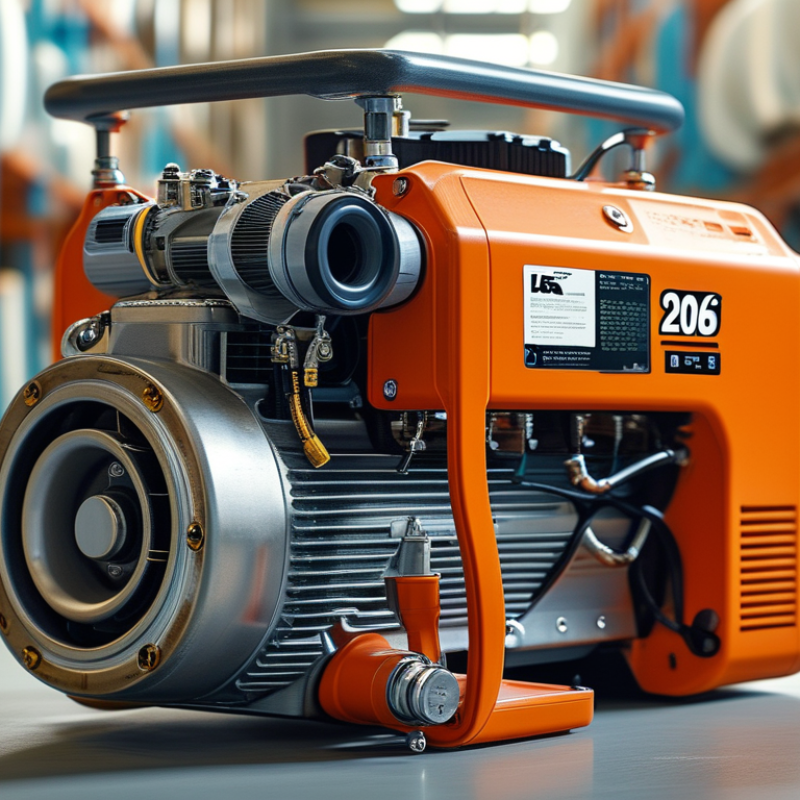
Top 5 Oilless Compressors You Need to Know in 2026?

Top Trends Influencing Oilless Compressors in 2026

As industries evolve, so do the technologies that support them. Oilless compressors are gaining traction due to their unique benefits and advancing technologies. One significant trend set to shape the oilless compressor market in 2026 is the focus on sustainability. According to a recent market report, the demand for environmentally friendly solutions is projected to increase by 45% over the next three years. This shift encourages manufacturers to innovate and minimize emissions.

Another critical trend is the integration of smart technology. The rise of Industry 4.0 is driving the demand for intelligent devices that enhance performance and efficiency. Data from a leading research firm indicates that smart compressors are expected to account for 30% of total sales in 2026. These systems offer real-time monitoring and predictive maintenance, reducing downtime and improving operational efficiency. However, not all manufacturers are adapting quickly, revealing a gap that creates both challenges and opportunities in the competitive landscape.

Furthermore, the ongoing COVID-19 pandemic has altered supply chain dynamics. Many industries are facing delays and disruptions in sourcing materials. This reality compels manufacturers to rethink their strategies and supply chains. It is a wake-up call for companies to invest in local sourcing and diversify their suppliers. The uncertainty highlights the necessity for resilience in production processes and supply chain management.

Top 5 Oilless Compressors You Need to Know in 2026

Model Max Pressure (PSI) Tank Size (Gallons) Power (HP) Noise Level (dB) Weight (lbs)
Model A 120 6 1.5 58 30
Model B 150 8 2.0 60 40
Model C 100 4 1.0 55 22
Model D 130 6 1.5 57 31
Model E 140 10 2.5 62 45

Key Features to Look for in 2026's Oilless Compressors

In 2026, oilless compressors will become an essential tool across various industries. When selecting the right model, it's crucial to consider key features that enhance performance and reliability. One of the primary aspects is efficiency. A well-designed compressor should provide high displacement while consuming minimal energy. This efficiency not only cuts costs but also reduces environmental footprints.

Another vital feature is noise level. Many applications require quiet operations, especially in residential or medical environments. Look for compressors with advanced soundproofing or lower decibel ratings. This can significantly improve working conditions. Additionally, portability is essential for many users. Lightweight, compact designs allow for easier transport and setup.

Durability cannot be overlooked. Oilless compressors must withstand rigorous use. Materials should be robust yet lightweight. Some may show wear over time; this is expected. Regular maintenance and checks are necessary. Users should be mindful of these factors. They can impact the compressor's longevity and performance. Make informed choices to get the best from any oilless compressor.

Performance Metrics: Comparing Oilless Compressors of 2026

As industries evolve, oilless compressors are gaining attention. Performance metrics of these compressors in 2026 showcase significant advancements. The efficiency of oilless designs has improved, with some models achieving up to 85% energy efficiency. This statistic is crucial for businesses aiming to reduce operational costs and environmental footprints.

Noise levels are a critical performance factor. Oilless compressors now operate at decibel levels as low as 55 dB, making them suitable for sensitive environments. Some reports indicate that excessive noise has been a common issue in older models, leading to workplace stress and dissatisfaction. Modern oilless models address this concern effectively.

Durability is another area of focus. The lifespan of quality oilless compressors has seen enhancement. Many units now offer warranties exceeding five years, a testament to their reliability. However, it is essential to note that not all oilless compressors are created equal. Variability in manufacturing processes can lead to inconsistencies in performance and lifespan, making careful selection critical.

Market Leaders: Top Brands Dominating Oilless Compressor Sales

The oilless compressor market is experiencing significant growth. According to recent industry reports, the market is expected to reach a valuation of $5 billion by 2026. This surge is driven by the increasing demand for energy-efficient solutions across various sectors. Manufacturers are focusing on innovation to cater to these needs.

Several brands lead the sales of oilless compressors. They have a strong presence due to their commitment to quality and reliability. These companies invest heavily in research and development, ensuring their products meet modern industrial standards. One study indicated that 70% of companies prefer oilless compressors for their low maintenance costs and operational efficiency.

Despite the advancements, challenges remain. Not all oilless compressors deliver the same performance levels. Some may struggle under high-demand conditions, leading to uneven results. Furthermore, the transition from conventional compressors to oilless models may require initial training for users. Industry experts recommend ongoing education and support for optimal operation.

Top 5 Oilless Compressors Sales in 2026

This chart represents the estimated sales units of the top 5 oilless compressor models in 2026, showcasing the growing demand and market trends for these essential machines.

Sustainability and Efficiency: The Future of Oilless Compressors

As we move toward 2026, the importance of sustainability in industrial machinery is clear. Oilless compressors are gaining traction due to their eco-friendly design. A report by Research and Markets indicates that the global oilless compressor market is projected to grow at a CAGR of 4.5% from 2023 to 2030. This growth reflects a shift in manufacturer priorities towards less environmental impact.

These compressors excel in efficiency. They eliminate oil use, which reduces waste and improves air quality. Studies have shown that oilless systems can cut energy consumption by up to 20% compared to traditional models. Such advancements show promise, yet many companies still grapple with the upfront costs of transitioning to these systems. Installation and maintenance training remain barriers to widespread adoption.

Despite these challenges, the reliability of oilless compressors continues to improve. Their low-maintenance requirements ease operational burdens. However, manufacturers must ensure that performance meets industrial demands. Real-world applications can expose deficiencies that require constant iteration and refinement. Sustainable practices can go hand in hand with technological evolution, creating a compelling future for this essential equipment.

FAQS

: What is the main trend for oilless compressors in 2026?

: The focus on sustainability is a key trend, with an expected demand increase of 45%.

How does smart technology influence oilless compressors?

Smart technology enhances efficiency and performance, with smart compressors projected to make up 30% of sales.

What challenges are manufacturers facing due to the pandemic?

Supply chain disruptions compel manufacturers to rethink sourcing strategies and invest in local suppliers.

What efficiency should be expected from oilless compressors?

Some models can achieve up to 85% energy efficiency, essential for reducing costs and environmental impact.

Why is noise level important in oilless compressors?

Low noise levels, around 55 dB, are crucial for quiet operations in residential and medical environments.

How important is durability in selecting an oilless compressor?

Durability is vital; users should expect wear over time and must perform regular maintenance to ensure longevity.

What features enhance the portability of oilless compressors?

Lightweight and compact designs make these compressors easier to transport and set up for various applications.

What should users be aware of regarding performance consistency?

Not all compressors are equal; variability in manufacturing can lead to performance inconsistencies and lifespan issues.

How can regular maintenance affect oilless compressors?

Regular checks are necessary to maximize performance and longevity, but maintenance may not always be performed consistently.

What impact do emissions have on compressor selection?

Lower emissions are increasingly important, encouraging innovations while contributing to environmental responsibility.

Conclusion

In 2026, the landscape of oilless compressors is set to be influenced by several key trends, emphasizing sustainability and efficiency. The demand for eco-friendly solutions is driving innovations in design and performance, making oilless compressors not only a practical choice but also a responsible one for various industries. When selecting an oilless compressor, it’s crucial to consider key features such as noise reduction, energy efficiency, and maintenance requirements, which are becoming increasingly important in consumer decision-making.

Performance metrics will play a vital role in comparing different models, with advancements allowing for higher pressure outputs and lower energy consumption. As market dynamics evolve, leading brands in the oilless compressor sector are adapting to these changes, reinforcing their commitment to quality and performance. Ultimately, the future of oilless compressors looks promising, marked by technological advancements that prioritize both efficiency and environmental responsibility.

Henry

Henry

Henry is a dedicated marketing professional with a profound expertise in the company's offerings. With years of experience in the industry, he possesses an impressive understanding of the market dynamics and consumer behaviors that drive success. Henry is committed to sharing his insights through......