
The demand for Two Stage Compressors is escalating in various industries, driven by the need for enhanced efficiency and performance. According to a recent report by Market Research Future, the global market for these compressors is projected to witness significant growth, with an estimated CAGR of 6.5% through 2026. This indicates a strong upward trend in adoption across diverse sectors including automotive and manufacturing.
In the words of industry expert Dr. Emily Carter, “Two Stage Compressors not only optimize energy consumption but also extend the life of the equipment.” This highlights the critical role of these compressors in sustainable industrial operations. The focus is now shifting towards innovation and efficiency in compressor design, and various manufacturers are adopting advanced technologies to meet market needs.
Despite the advantages, challenges remain. Not all products on the market deliver reliable performance or cost-effectiveness. Companies must carefully evaluate specifications and reviews before making a decision. This makes the selection of the right Two Stage Compressor crucial for operational success. Identifying the top models for global buyers is essential to navigate this evolving landscape.
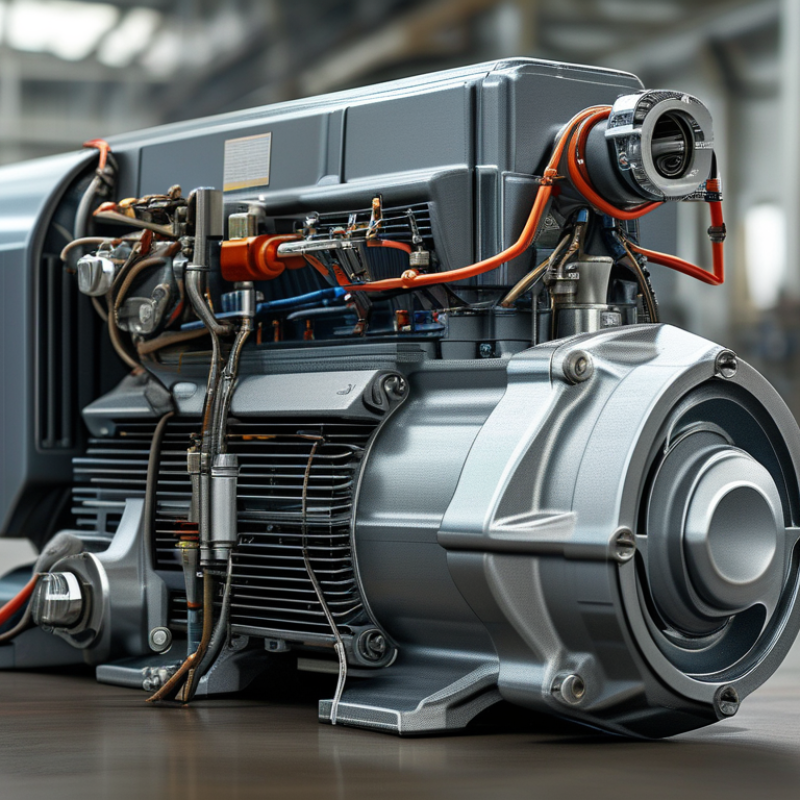
The global market for two-stage compressors is evolving rapidly. In 2026, we anticipate significant shifts influenced by technology and sustainability. More industries are seeking energy-efficient solutions. These compressors provide improved performance compared to single-stage models. They offer higher pressure and efficiency, making them ideal for diverse applications.
Market trends suggest a growing demand for compact and lightweight designs. Manufacturers are focusing on innovation to meet these requirements. Digital controls and monitoring systems are becoming more common. This helps users achieve optimal performance and energy savings. However, some products lack adequate support for maintenance, prompting consumer concerns.
Competitive pricing remains a challenge. Many buyers are weighing cost against performance and reliability. While some compressors excel at efficiency, they may not hold up under continuous use. Buyers must assess their needs carefully. Reliability is crucial for long-term investment. The balance between advanced features and dependability will shape consumer choices in the coming years.
Two-stage compressors are essential in various industrial applications for their efficiency and reliability. They compress air in two steps, leading to higher pressure and improved output. Industry reports indicate that their energy efficiency can be up to 15-20% greater than single-stage models. This is particularly important as companies seek to lower energy costs while maintaining productivity.
The two-stage process also minimizes heat generation. Compressing air in stages reduces the temperature, which helps protect sensitive components. This thermal control can prolong the life of the compressor, translating to lower maintenance costs. Additionally, many two-stage compressors operate quietly, which is a significant factor in noise-sensitive environments such as laboratories and research facilities.
However, not all users understand the complexities involved in selecting the right compressor. Miscalculating the air demand can lead to inefficiencies. Potential buyers must closely assess their specific requirements. Proper sizing is critical for achieving optimum performance. Without careful analysis, businesses might choose a model that doesn't meet their needs, leading to operational challenges. Hence, informed decision-making is essential to leverage the full benefits of two-stage compressors in industrial settings.
The two-stage compressors market is evolving rapidly. A recent report indicates that these compressors can deliver an efficiency boost of 10% to 15% compared to single-stage models. This efficiency is critical in industrial applications, where energy costs significantly impact the bottom line.
Performance metrics often highlight air delivery pressure and capacity. Many leading brands show variances, with most achieving 100 psi with a 75 CFM rating. However, user feedback indicates that some compressors struggle with consistency under varying loads. This inconsistency can lead to operational challenges, especially in high-demand environments.
Reliability is another key factor. Research indicates that two-stage compressors with advanced cooling technologies can last up to 20% longer. Yet, not every brand implements these technologies effectively. Users report mixed experiences, suggesting there is room for improvement in design and engineering. Understanding these nuances is essential for buyers looking for optimal performance in their operations.
The environmental impact of two-stage compressors is a growing concern. These machines significantly affect energy consumption and sustainability. A report from the International Energy Agency stated that industrial compressors account for nearly 10% of global electricity use. Thus, understanding energy efficiency ratings is essential for buyers and operators.
Energy efficiency ratings for compressors vary widely. High-efficiency models can reduce power consumption by up to 25%. This not only decreases operational costs but also minimizes greenhouse gas emissions. Selecting a compressor with a high energy efficiency ratio (EER) is crucial. Many reports highlight the advantages of investing in advanced models, which often pay for themselves in energy savings.
Tips: Consider the operational hours of your compressor. A unit used for extended periods should be optimized for energy efficiency. Regular maintenance can also boost efficiency. Monitor your energy consumption regularly. Small changes can lead to significant savings over time.
In 2026, innovations in two-stage compressor technology will likely bring significant advancements. These compressors are known for their efficiency and reliability. They are vital in various industries, such as manufacturing and HVAC. A focus on energy efficiency is paramount. Many manufacturers are exploring automation and smart technology integration. This will improve performance and reduce operational costs.
Moreover, advancements in materials science will enhance the durability of components. Lighter, stronger materials can minimize wear and tear. This not only prolongs the lifespan but also boosts efficiency. However, creating these materials presents challenges. The need for balance between cost and performance is crucial. There is a gap in reliable sourcing of these advanced materials.
As the market evolves, user-friendly interfaces are becoming essential. Operators require easier control and monitoring systems. This trend reflects a need for simplicity amidst growing technology complexity. The integration of AI could streamline processes but may raise concerns about job displacement. Industry players must reflect on how to add value while addressing potential shortcomings in these innovations.
: The market is shifting towards energy-efficient solutions and compact designs.
They offer higher pressure and efficiency, making them suitable for various applications.
Digital controls help optimize performance and energy savings for users.
Some models lack support for maintenance, raising reliability concerns.
Buyers are balancing cost against performance and reliability in their choices.
Advances will likely include automation, smart technology, and improved materials.
Balancing cost with performance and ensuring reliability are major hurdles.
Operators need easier control and monitoring, amidst increasing technological complexity.
AI may streamline processes but could raise concerns about job displacement.
They need to add value while being mindful of potential issues in new technologies.
The article "Top 10 Two Stage Compressors for Global Buyers in 2026" provides a comprehensive overview of the trends in the two stage compressor market, highlighting their significance in industrial applications. It details the key features and benefits such as increased efficiency and reliability, which are pivotal for modern manufacturing and processing needs.
A comparative analysis of leading brands based on performance metrics sheds light on the diverse offerings in the market, guiding buyers in making informed decisions. Additionally, the article addresses the environmental impacts and energy efficiency ratings of two stage compressors, emphasizing the growing importance of sustainability in industrial operations. Finally, it explores future innovations in two stage compressor technology, discussing their potential to reshape the market and drive enhanced productivity and efficiency for global buyers.
