
What is an Industrial Vacuum Pump and How Does it Work?

Time:2026-07-21 Author:Ethan
0%

In the world of industrial machinery, an Industrial Vacuum Pump plays a crucial role. Renowned expert Dr. Alice Thompson, a leading voice in vacuum technology, states, "Understanding how an Industrial Vacuum Pump operates is key to optimizing production efficiency." This insight reflects the significance of these pumps in various sectors, including manufacturing, food processing, and pharmaceuticals.

An Industrial Vacuum Pump creates a vacuum by removing air and other gases from a sealed container. This process is essential for reducing contamination, improving product quality, and enhancing system performance. Various types of these pumps exist, each tailored for specific applications. For instance, rotary vane pumps are often chosen for their reliability, while diaphragm pumps excel in cleanliness.

Understanding the intricacies of an Industrial Vacuum Pump requires attention to detail. It's vital to consider the system's requirements, as a mismatch can lead to inefficiencies. As industries evolve, so do the technologies surrounding vacuum pumps. Therefore, keeping up with innovations and best practices is essential for any professional in this field.
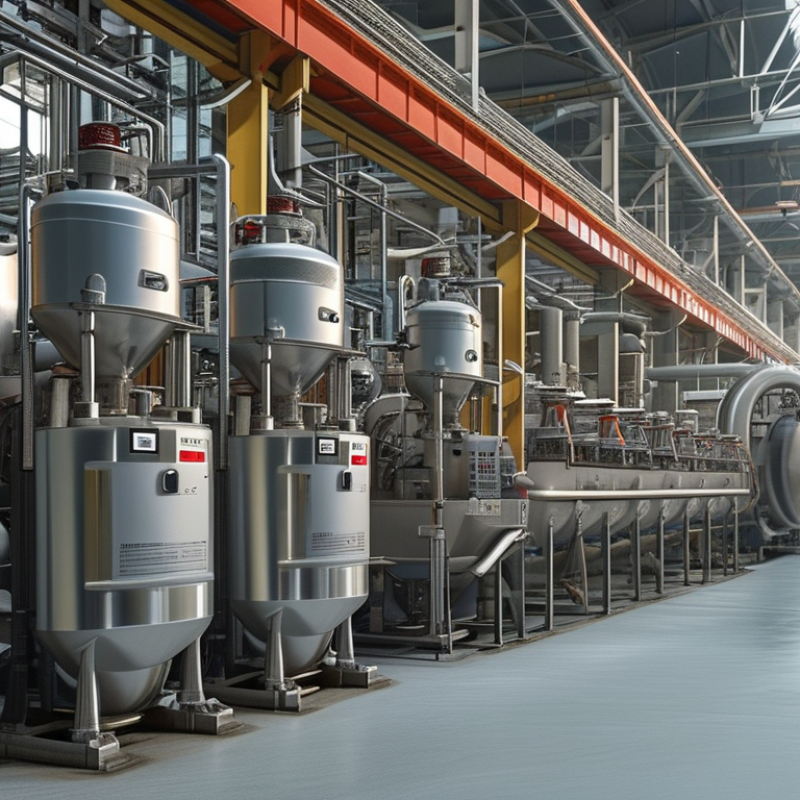
What is an Industrial Vacuum Pump and How Does it Work?

What is an Industrial Vacuum Pump? Definition and Types

An industrial vacuum pump is a vital tool for many manufacturing processes. It creates a vacuum by removing air and other gases from a sealed environment. There are several types of industrial vacuum pumps, each suited for different applications. The most common types include rotary vane pumps, diaphragm pumps, and liquid ring pumps. Each has its own working principle, which influences its efficiency and suitability.

Rotary vane pumps function by using slots with movable vanes. These vanes rotate within a cylindrical casing, creating a vacuum as they slide and compress. Diaphragm pumps, on the other hand, use a flexible diaphragm that changes shape to draw in and expel gases. Liquid ring pumps are distinct because they use a liquid to create a seal, improving performance in certain environments.

Understanding these types helps in selecting the right pump for specific industrial needs. However, not all pumps perform flawlessly in every setting. Factors like contamination, temperature, and maintenance practices can affect their efficiency. Familiarity with pump behavior in real-world applications is crucial. It's an area where ongoing improvement and reflection are necessary for optimizing industrial processes.

Key Components of Industrial Vacuum Pumps and Their Functionality

Industrial vacuum pumps play a crucial role in various industries. Understanding their key components is essential for effective operation. One main component is the motor, which powers the pump. The motor converts electrical energy into mechanical energy. This energy drives the pump's mechanism to create a vacuum.

Another vital part is the pump chamber. This chamber facilitates the removal of air and gases. Various designs exist, including rotary vane and diaphragm pumps. Each design has unique advantages and challenges. Proper maintenance of these components ensures longevity and efficiency.

Seals are also critical in preventing leaks. A leak can significantly impact vacuum levels. Regular checks on the seals help maintain optimal performance. Operators often overlook these details, leading to inefficiencies. This reflects the importance of continual training and awareness in handling vacuum systems.

How Industrial Vacuum Pumps Create Vacuum: The Operating Principle

Industrial vacuum pumps play a critical role in various sectors, from manufacturing to laboratory settings. They create a vacuum by removing air and other gases from a designated space, which allows for many processes to occur without atmospheric interference. The primary principle lies in the reduction of pressure. As the pump operates, it efficiently draws out air, decreasing the pressure inside the chamber.

There are several types of vacuum pumps, including rotary vane and diaphragm pumps, each suited for specific applications. The choice of pump affects efficiency and effectiveness. For instance, rotary vane pumps are revered for their robustness, while diaphragm pumps excel in clean environments. Understanding the requirements of your process is essential for optimal performance.

Tips: Regular maintenance ensures your pump operates smoothly. Check for any leaks and replace worn-out seals periodically. Always consider the pump's capacity; an oversized unit can lead to energy inefficiencies. Evaluating your needs and avoiding shortcuts in selection can improve long-term reliability.

Applications of Industrial Vacuum Pumps in Various Industries

Industrial vacuum pumps play a critical role in various industries, providing essential vacuum environments for numerous applications. In the manufacturing sector, these pumps facilitate processes such as material handling and packaging. According to a report from MarketsandMarkets, the global vacuum pump market is expected to reach $4.5 billion by 2025, driven by increasing automation in factories. These pumps help ensure clean production lines, reducing contamination risks in sensitive industries.

The pharmaceutical industry also relies heavily on vacuum pumps. They are vital for processes like freeze-drying and solvent recovery. A study published by Transparency Market Research highlights that the pharmaceutical vacuum pump market is anticipated to grow at a CAGR of 5.2% from 2020 to 2027. This growth showcases the importance of vacuum technology in maintaining product quality and safety in drug manufacturing.

In the food processing industry, vacuum pumps are used for tasks such as vacuum sealing and food preservation. However, challenges persist, such as the need for rigorous maintenance and the potential for system failures. Many facilities are not yet employing best practices in their maintenance schedules. This oversight can lead to inefficient operations and compromised product integrity. Thus, while vacuum pumps are indispensable, continuous improvement in their management and operation remains essential.

What is an Industrial Vacuum Pump and How Does it Work? - Applications of Industrial Vacuum Pumps in Various Industries

Industry Application Type of Vacuum Pump Used Key Benefits
Food and Beverage Packaging, Vacuum Sealing Rotary Vane Vacuum Pump Extended shelf life, Preservation of product quality
Pharmaceutical Manufacturing, Sterilization Diaphragm Vacuum Pump Maintains sterile conditions, Enhances production efficiency
Automotive Brake System Testing, Fluid Evacuation Scroll Vacuum Pump Improves safety, Ensures system integrity
HVAC Refrigerant Recovery Rotary Screw Vacuum Pump Environmental protection, Cost efficiency
Electronics Thin Film Deposition Turbo Molecular Pump High precision, Improved product quality

Market Trends and Future Innovations in Industrial Vacuum Technology

The industrial vacuum technology market is evolving rapidly. Companies are adopting more efficient designs to meet growing demands. One significant trend is the shift toward energy-efficient vacuum pumps. These pumps reduce operational costs and lower carbon footprints. Innovations focus on improving performance while minimizing energy consumption.

Smart vacuum systems are also gaining traction. Their ability to integrate with IoT devices enables real-time monitoring. This can prevent system failures and optimize performance. However, the challenge lies in the complexity of integrating these technologies into existing systems. Not all facilities can adapt quickly.

Sustainability is becoming a key driver for future developments. Manufacturers are motivated to create vacuum solutions that utilize eco-friendly materials. Still, achieving this goal can be difficult. Not all innovative ideas may resonate with industry needs. Continuous research is crucial to align technology with market demands.

FAQS

: What is an industrial vacuum pump?

: An industrial vacuum pump removes air and gases to create a vacuum in a sealed environment.

What are the main types of industrial vacuum pumps?

Common types include rotary vane, diaphragm, and liquid ring pumps. Each has unique working principles.

How do rotary vane pumps operate?

They use movable vanes in a cylindrical casing to create a vacuum through sliding and compressing actions.

What role do vacuum pumps play in the pharmaceutical industry?

They are essential for freeze-drying and solvent recovery, impacting product quality and safety significantly.

What challenges do vacuum pumps face in food processing?

Maintenance is crucial. Lack of best practices can lead to inefficient operations and product integrity issues.

What is a current trend in industrial vacuum technology?

The shift towards energy-efficient pumps is prominent. These designs lower operational costs and carbon footprints.

How are smart vacuum systems beneficial?

They integrate with IoT for real-time monitoring, which optimizes performance and helps prevent system failures.

Are there sustainability goals in vacuum pump manufacturing?

Yes, there's a push for eco-friendly materials, but aligning innovation with industry needs is often complex.

Why is understanding pump behavior critical?

Real-world application knowledge aids in optimizing industrial processes and improving efficiency over time.

What concerns exist about adopting new technologies in vacuum systems?

Integration complexity can hinder quick adaptation, limiting benefits for some facilities. Continuous reflection is essential.

Conclusion

An Industrial Vacuum Pump is a vital piece of equipment used across various industries to create and maintain a vacuum environment. These pumps come in different types, each designed to serve specific functions and applications. Key components such as the motor, rotor, and exhaust play significant roles in the functionality of these pumps, enabling them to efficiently remove air and other gases from a sealed space.

The operating principle of industrial vacuum pumps involves creating a pressure differential between the inside of the pump and the atmospheric pressure outside, thereby facilitating the removal of air and other contaminants. Their applications range from semiconductor manufacturing to food packaging and pharmaceuticals, highlighting their versatility and importance in modern industrial processes. As market trends evolve, there is a growing focus on automation and energy efficiency, hinting at future innovations in industrial vacuum technology that could enhance performance and sustainability.

Ethan

Ethan

Ethan is a seasoned marketing professional with a deep expertise in our company's innovative product line. With a passion for sharing knowledge and insights, he takes the lead in regularly updating our corporate blog, where he explores industry trends, product features, and effective marketing......