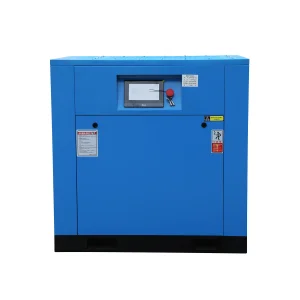
Engineered to handle atmospheric pressure variations and designed for continuous operations across manufacturing, food packaging, and chemical production.
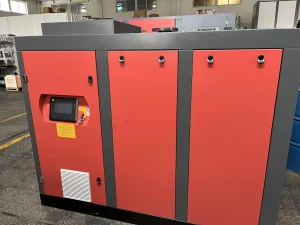
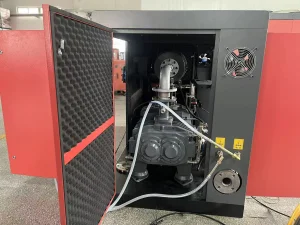
Mexico City (CDMX) and its surrounding metropolitan area, including the State of Mexico (Edoméx), form the economic engine of Central America. As global manufacturing pivots toward nearshoring to serve the North American market under the USMCA framework, industrial hubs like Vallejo, Tlalnepantla, and Naucalpan are undergoing rapid technological modernization.
Key sectors, including pharmaceutical formulation, automotive component machining, specialized packaging, and plastics extrusion, require high-precision pressure control. In these sectors, screw and rotary vacuum pumps are critical assets. The demand has shifted from legacy reciprocating systems to energy-efficient, dry screw and variable frequency drive (VFD) rotary vacuum technologies that run reliably under continuous factory schedules.
This technological shift is motivated by high energy costs and strict environmental mandates in the Valle de México. Local manufacturers now demand industrial machinery with small physical footprints, low noise emissions, and proven energy conservation characteristics.
Industrial power tariffs in central Mexico call for VFD and permanent magnet (PM) motor solutions, which cut consumption by up to 35% compared to fixed-speed units.
Strict environmental standards within the Valley of Mexico basin regulate industrial noise and effluent discharge, driving the adoption of clean, oil-free vacuum options.
How Mexico City's Elevation (~2,240 Meters) Affects Vacuum System Selection and Performance.
For vacuum system designers, altitude is a critical design variable. Mexico City is situated at approximately 2,240 meters (7,350 feet) above sea level. At this altitude, the nominal atmospheric pressure drops from the standard sea-level value of 1,013 mbar (29.92 inHg) to approximately 775 mbar (22.88 inHg)—a decrease of roughly 23.5%. This drop has direct physical consequences on vacuum pump operational efficiency, mass flow capacity, and motor thermal limits:
Because the starting ambient pressure is lower, the vacuum pump must operate across a different pressure profile to pull a deep vacuum relative to the system's inlet pressure, increasing energy output and wear if not properly sized.
The air is less dense at 2,240m, which reduces the mass flow of cooling air generated by integrated electric motor fans. Standard-rated electric motors will run hotter, requiring special insulation classes (Class F or H) or derating parameters.
Under lower atmospheric pressure conditions, the actual mass of air drawn into each rotation of a screw rotor is reduced, meaning that a larger nominal displacement pump is often required to achieve the necessary process performance.
To counteract these altitude-related performance drops, our screw and rotary vacuum pumps feature engineered adjustments. We implement permanent magnet (PM) motors with integrated variable frequency drives (VFD) that allow the pump to run at optimized speeds to offset gas density reductions. Furthermore, our oil-cooled and dry-run screw designs are modeled with safety factors to prevent thermal overload in thin-air conditions.
| Performance Metrics | Sea-Level Reference (1,013 mbar) | Mexico City Conditions (approx. 775 mbar) | Engineering Adjustment Applied |
|---|---|---|---|
| Atmospheric Pressure | 100% (1,013 mbar / 760 Torr) | ~76% (~775 mbar / 580 Torr) | Baseline recalibration of process parameters |
| Motor Cooling Air Mass | 100% nominal density | ~78% air mass density | Oversized fan design and Class F/H insulation margins |
| Volumetric Pull Capacity | Rated catalog performance | ~15% to 20% effective mass-flow reduction | Upgraded frequency control (VFD) to increase rotor speed |
| Condensation Risks | Standard condensation curve | Higher moisture retention in thin air | Managed thermostatic valves to prevent internal water condensation |
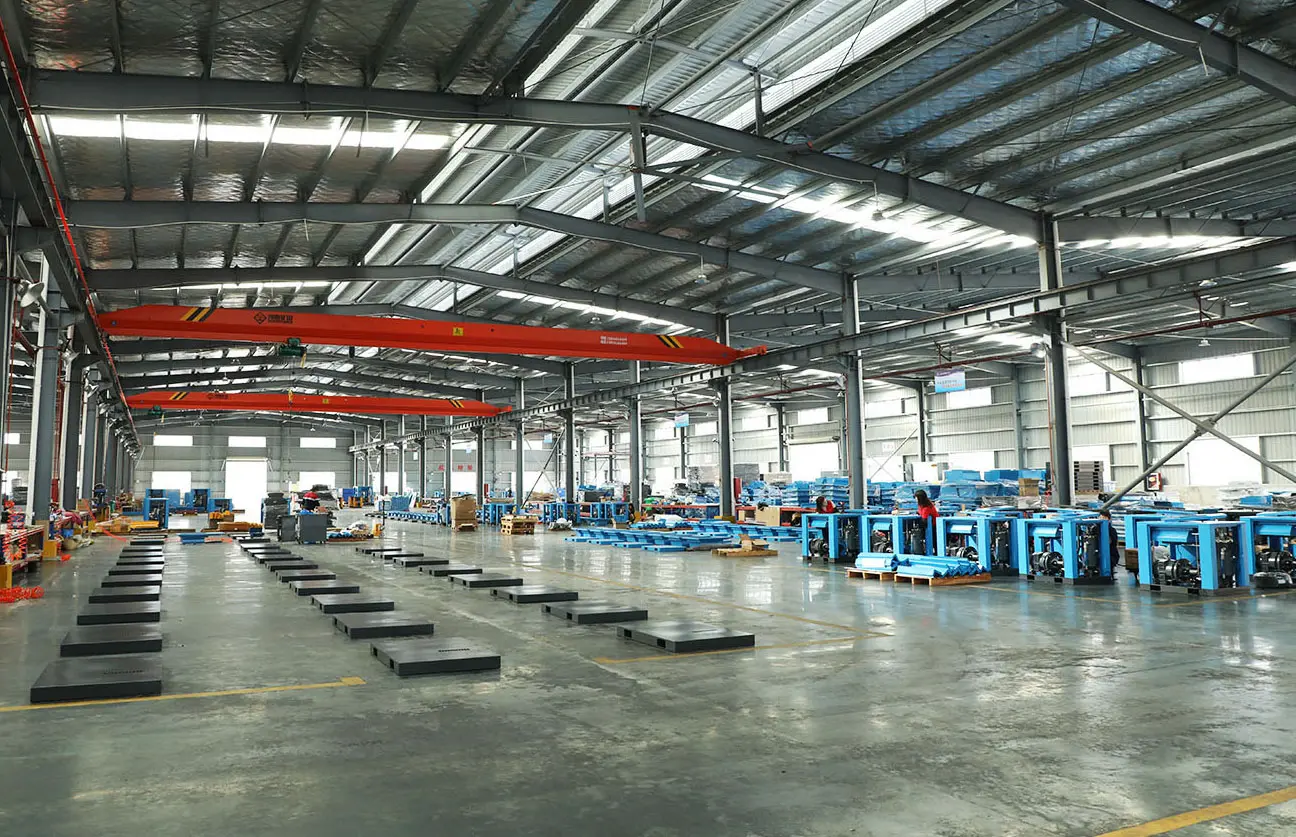
Shanghai Honest Compressor Co., Ltd. is a British-owned enterprise founded in early 2004. Our primary manufacturing facility is located at NO. 355 Jiajian Branch Road, Malu Town, Jiading District, Shanghai, China.
We operate as a large-scale manufacturing enterprise specializing in the production of twin-screw air compressors and vacuum technologies in China. We design and deliver comprehensive industrial air and vacuum system solutions globally. Our product catalog features piston air compressors (covering low, medium, and high pressure, oil-free versions), screw system solutions (ranging from 3KW to 480KW machines), gas separation equipment, refrigerant compressors, refrigerated air dryers, inline filters, ceramic membrane filtration systems, as well as a wide array of OEM components and consumable parts.
We maintain strict quality control protocols across our manufacturing workflows. Our quality and environmental compliance structures are certified to the ISO9001:2015 quality management standard, ensuring that every vacuum pump and compressor shipped meets strict global performance and safety specifications.
Connect with our Engineering TeamAligning with the next generation of industrial efficiency, digitalization, and eco-sustainable manufacturing requirements.
Integration of intelligent diagnostic sensors that monitor temperature, oil levels, and vibration trends, providing preventive maintenance alerts to minimize unexpected production shutdowns.
Advancing clean dry-screw and water-lubricated configurations to eliminate risk of oil contamination in sensitive sectors such as pharmaceutical and medical packaging.
Our development roadmap standardizes Permanent Magnet variable-speed designs, ensuring high efficiency under variable load profiles.
By partnering with our Shanghai-based manufacturing facility, industrial clients in Mexico City gain access to highly optimized supply chains. Our factories utilize precision assembly processes, automated CNC rotor cutting systems, and strict testing protocols to guarantee consistent equipment quality.
We maintain key raw material reserves and have established strong logistics partnerships. These measures ensure that our production schedules remain unaffected by raw material market volatility, allowing us to maintain predictable lead times.
We offer direct maritime container shipping from the Port of Shanghai to the Port of Manzanillo or the Port of Lázaro Cárdenas, followed by intermodal rail transport directly to industrial parks in the Valley of Mexico. This delivery pipeline is designed to keep your expansion and modernization projects running on schedule.
Explore our full line of rotary screw air compressors, vacuum pumps, and system components engineered for heavy-duty industrial applications.
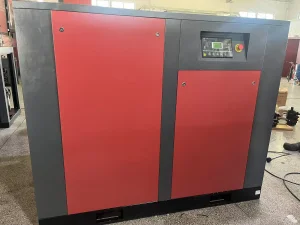
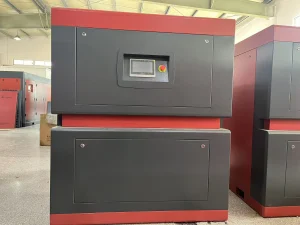
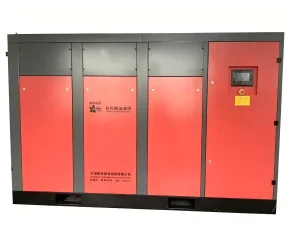
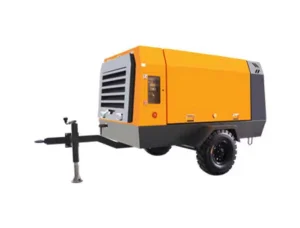
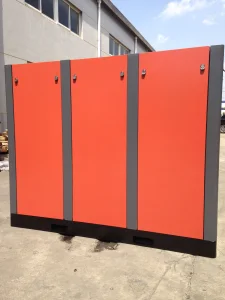
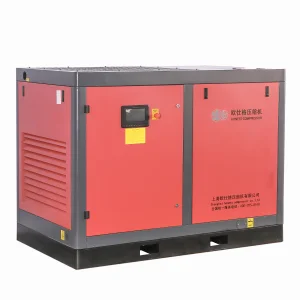
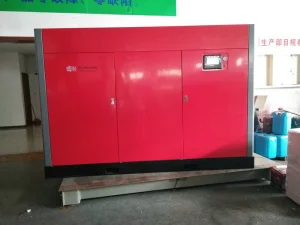
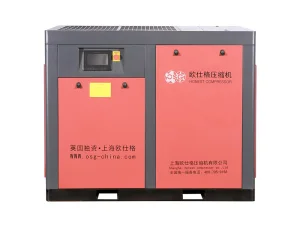
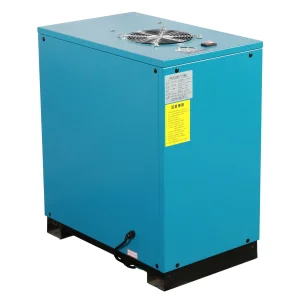
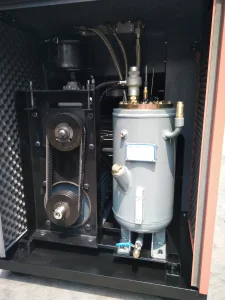
Streamlining validation, customs clearance, installation, and field service across Mexico.
We configure our motor systems to match standard Mexican grid profiles—delivering 220V, 440V, or 460V configurations at 60Hz. This direct compatibility avoids the need for external phase transformers, simplifying site installation.
Our production lines align with relevant standards including NOM-008-SCFI for metric calibration systems, NOM-016-ENER for energy efficiency profiles of electric motors, and general pressure vessel safety guidelines.
We operate a dedicated service helpline at 400-705-9168 and work closely with local distributor networks in major industrial centers. This infrastructure provides reliable support, rapid access to replacement parts, and direct technical consultations.
Answers to common engineering and operational questions regarding vacuum pump installations at high altitudes.
Optimize your factory vacuum and compressed air installations for Mexico City's specific atmospheric conditions. Let our technical engineering team design a system tailored to your volumetric displacement, voltage, and efficiency targets.
Send Inquiry Now