1 / 5

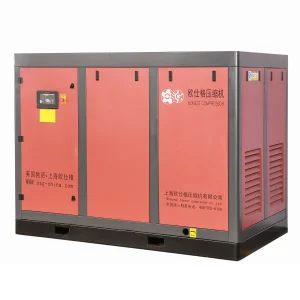
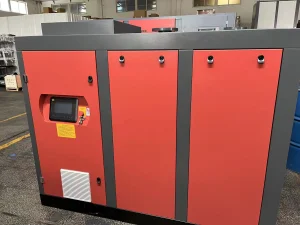
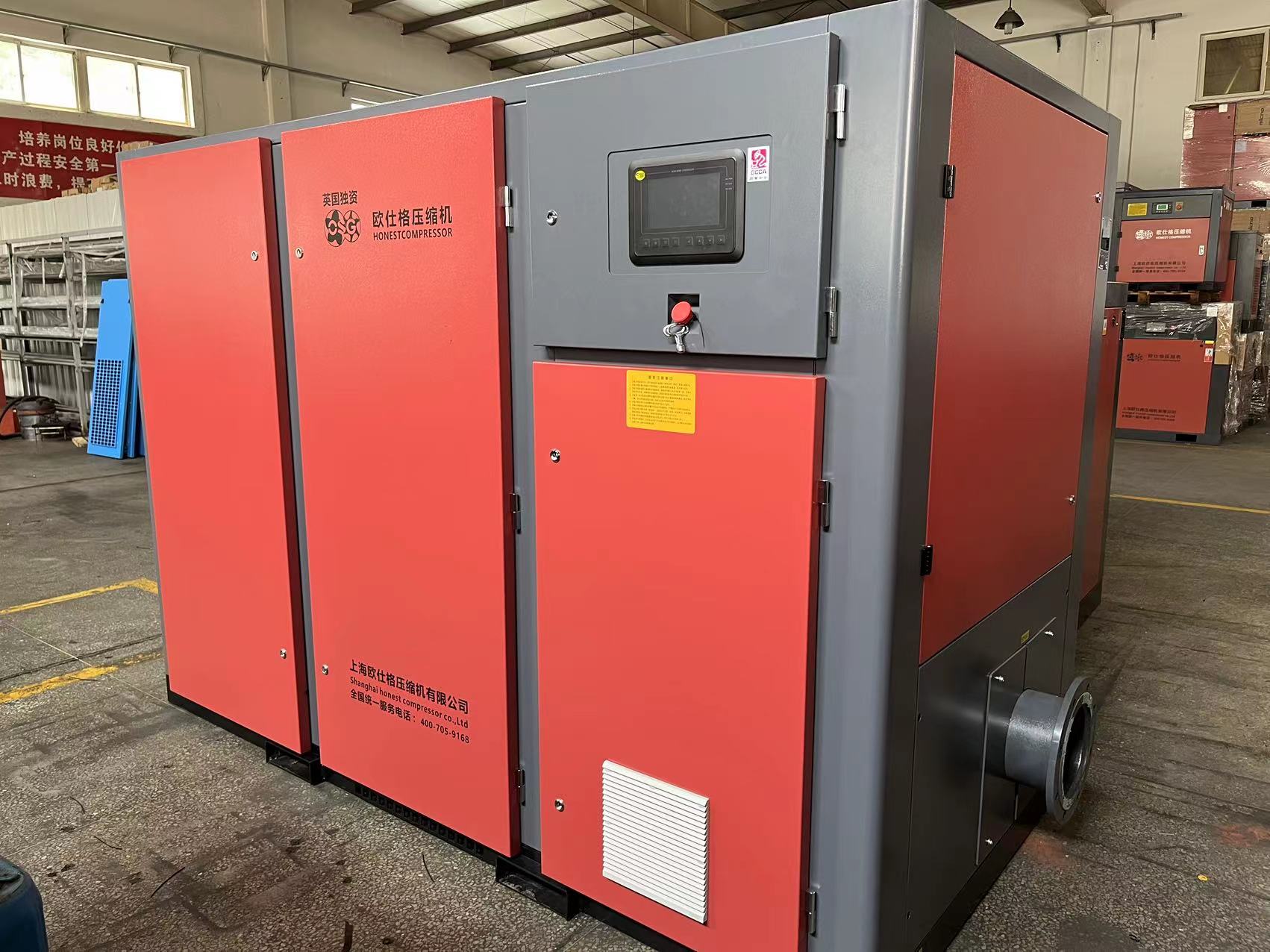
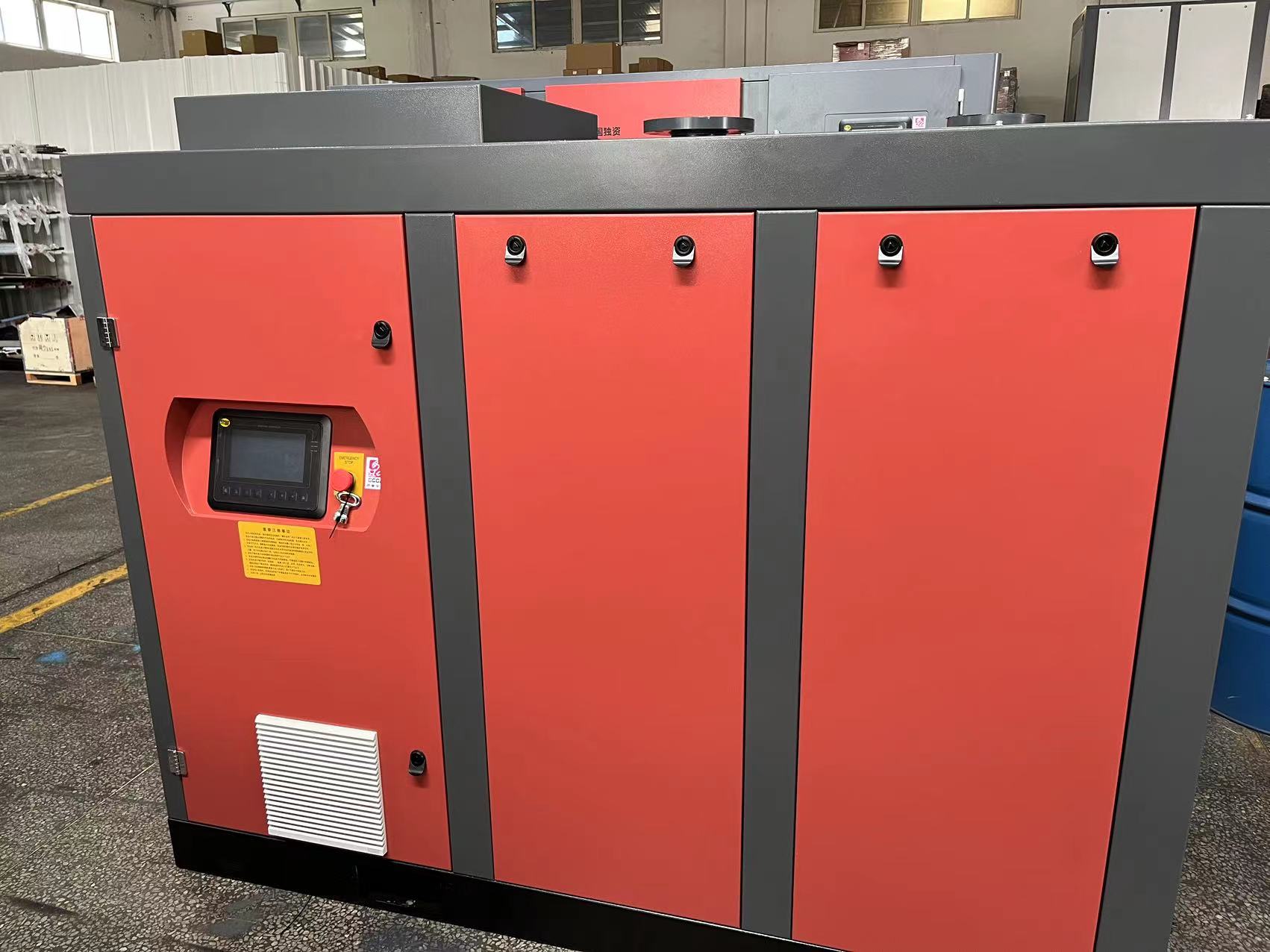
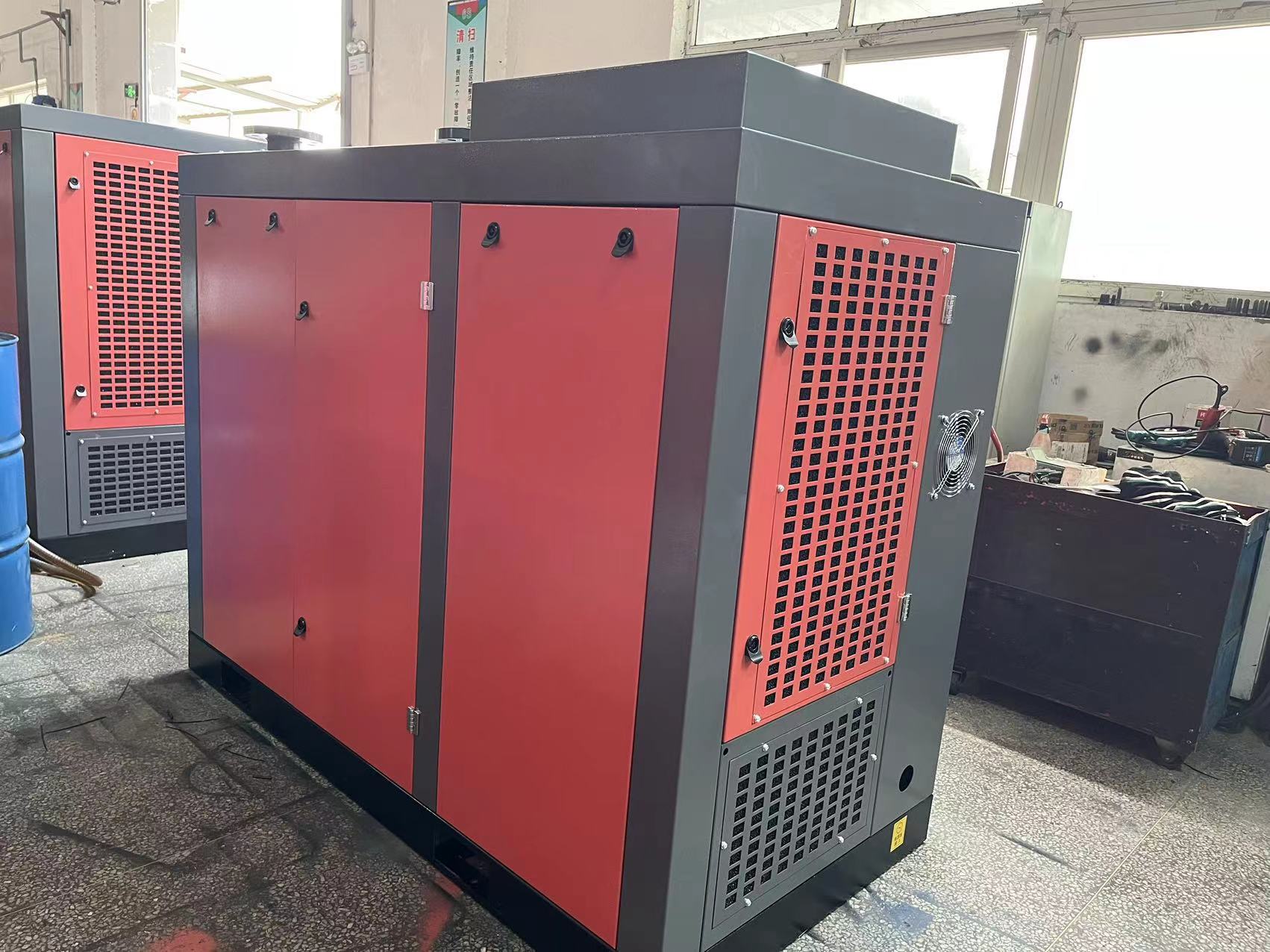
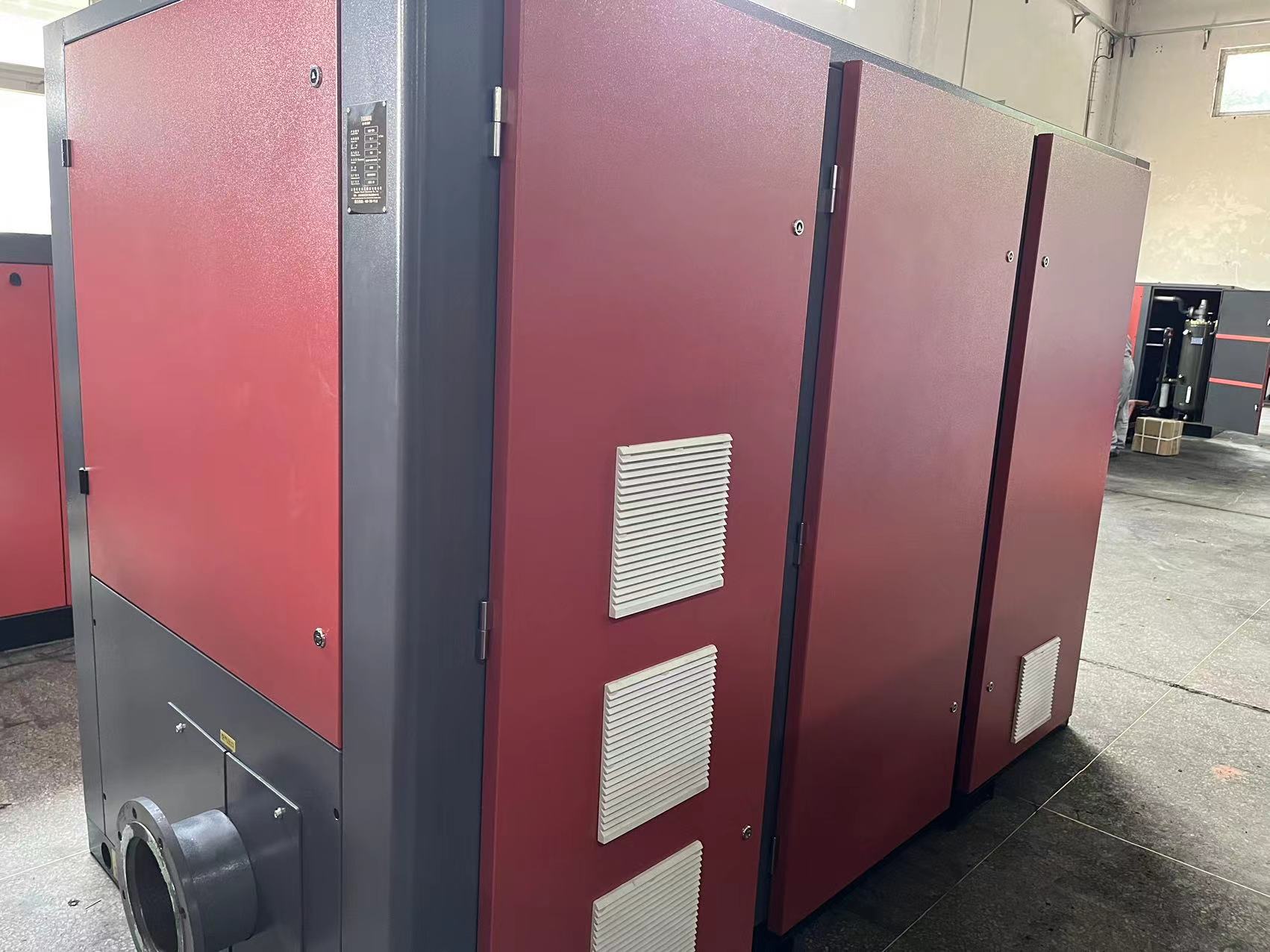
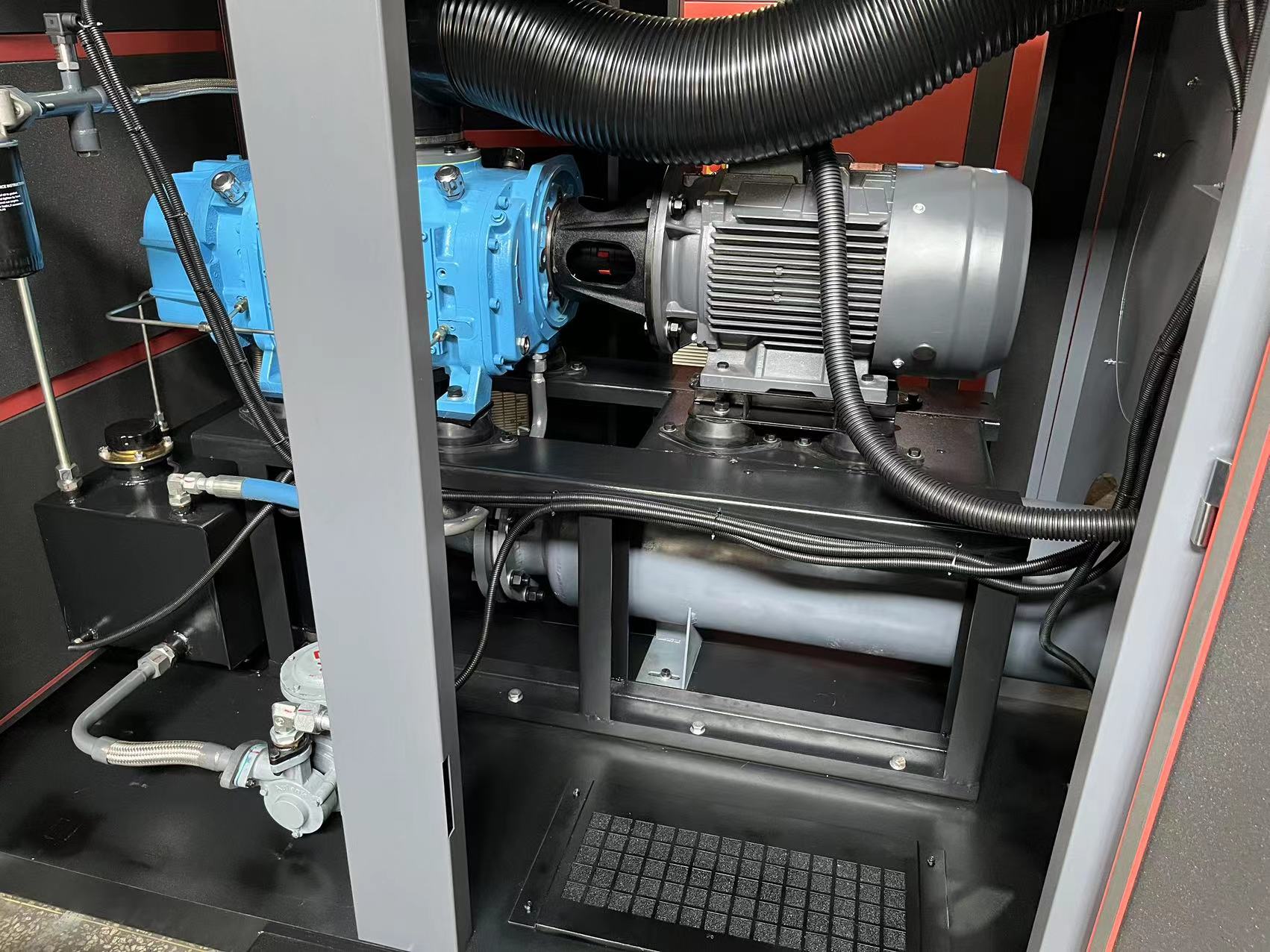
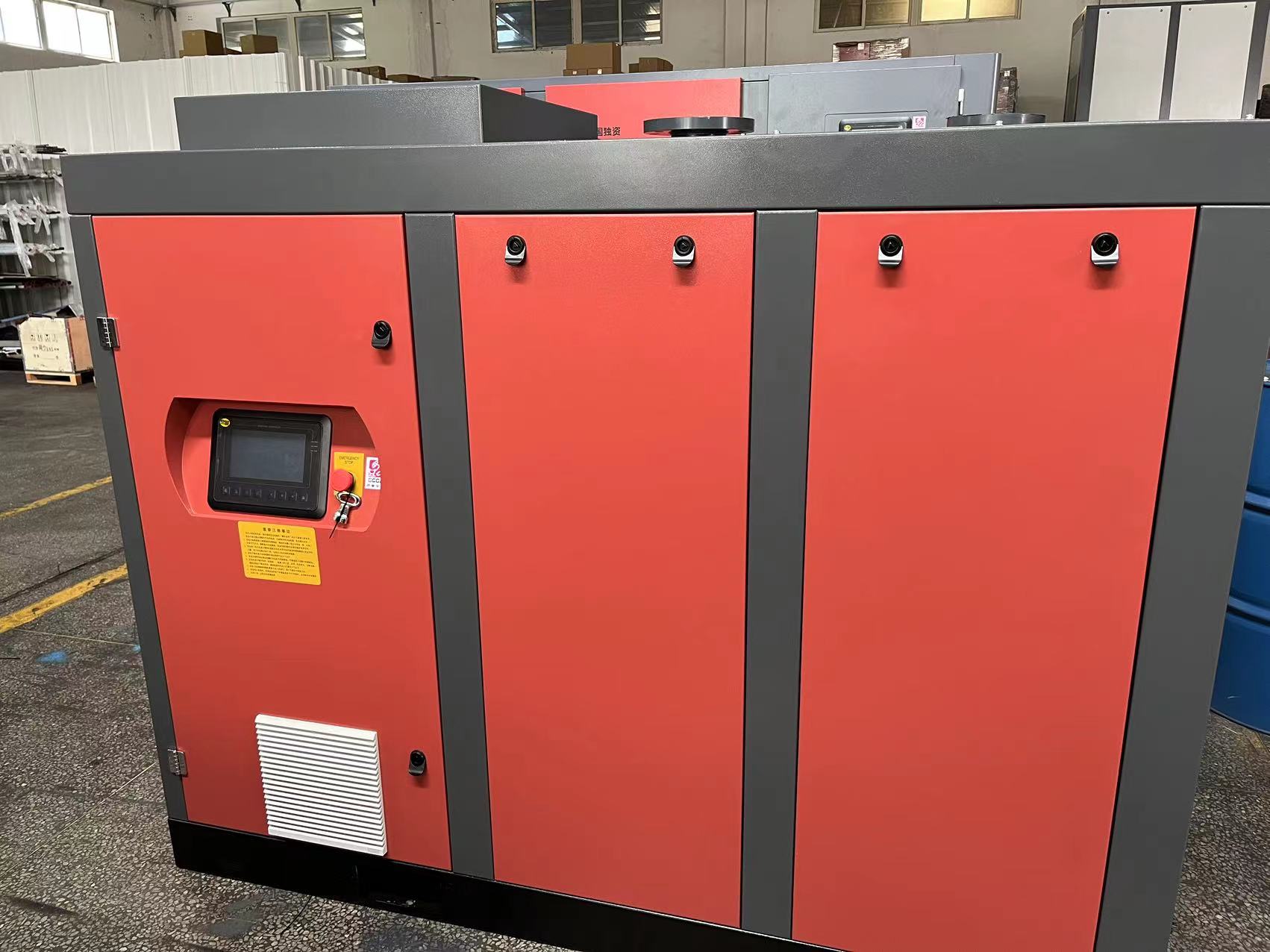
30kw Industrial Oil Free Vsd Screw Air Blower Vacuum Pump With Plc Inverter Pm Motor oil free screw blower
Features:
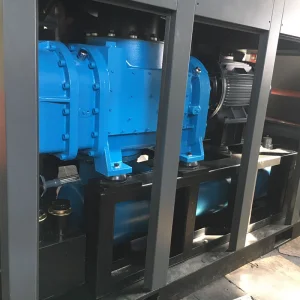
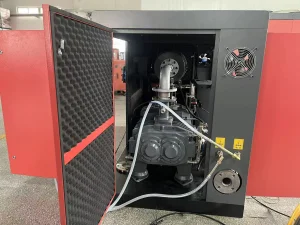
1. Adopt the world's leading high-efficiency molding line to create a stable and high-efficiency host
2. Advanced coating technology makes the rotor gap smaller, improves volumetric efficiency,
It also effectively protects the rotor and has a longer life
3. Adopt world famous brand FAG bearings to ensure its reliability
4. Adopt international level 5 precision synchronous gear and driving wheel to ensure reliability and prolong service life
5. The labyrinth seal and screw seal assembly ensure that the air is free of oil, reaching the class zero level
6. The unique lubricating and oil draining channel ensures good lubrication and cooling of bearings and gears, while improving the efficiency of the main engine
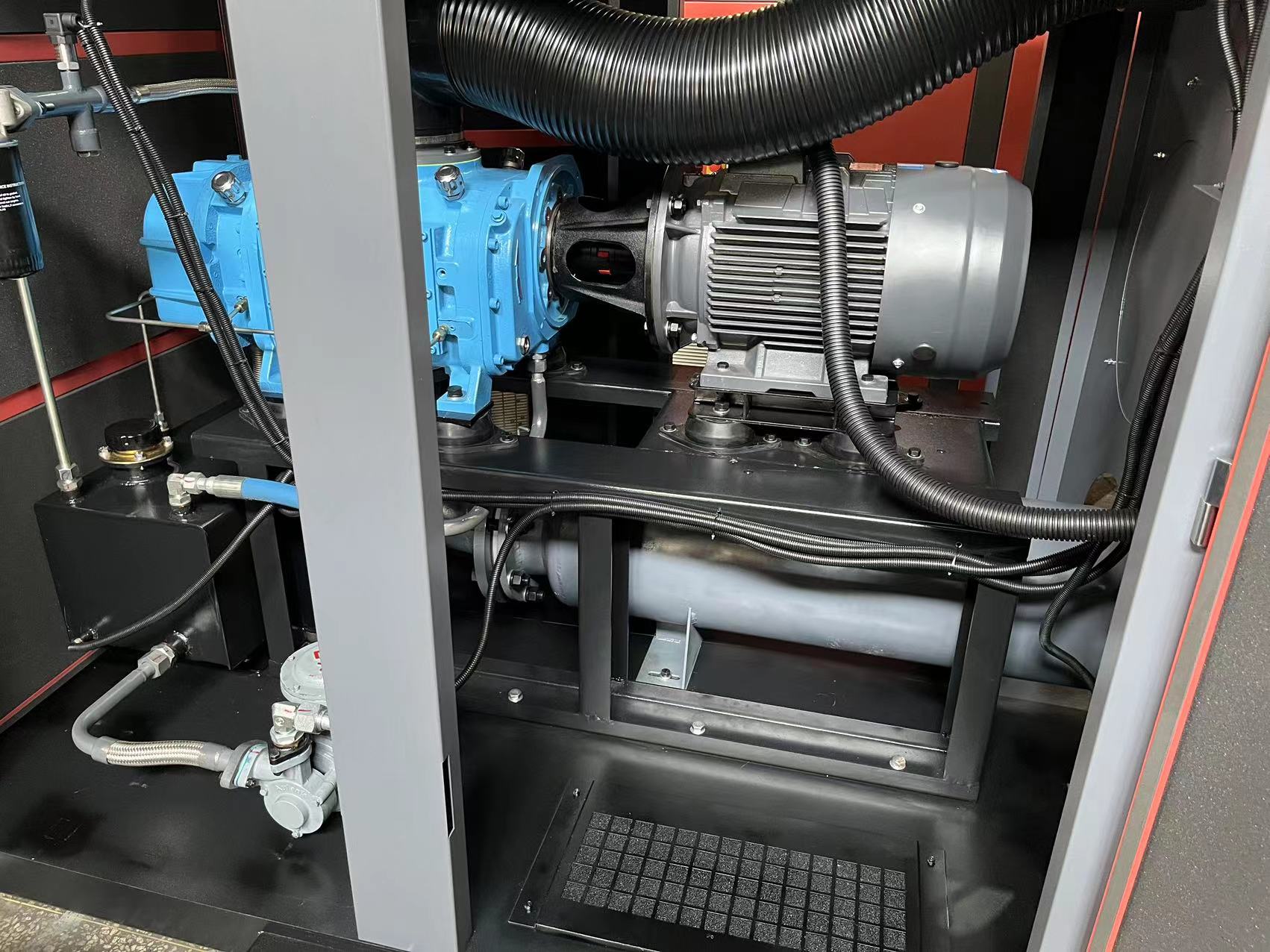
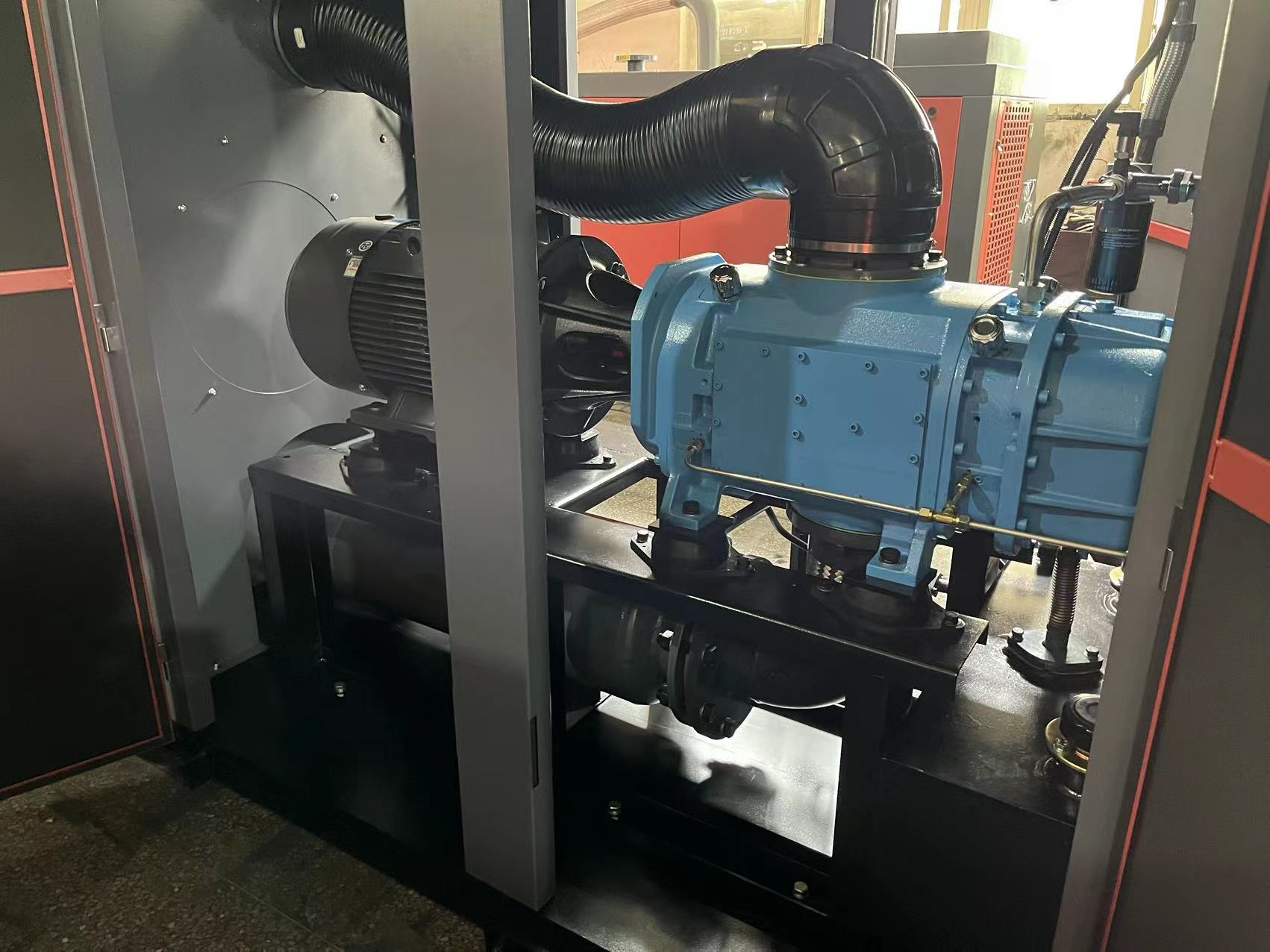
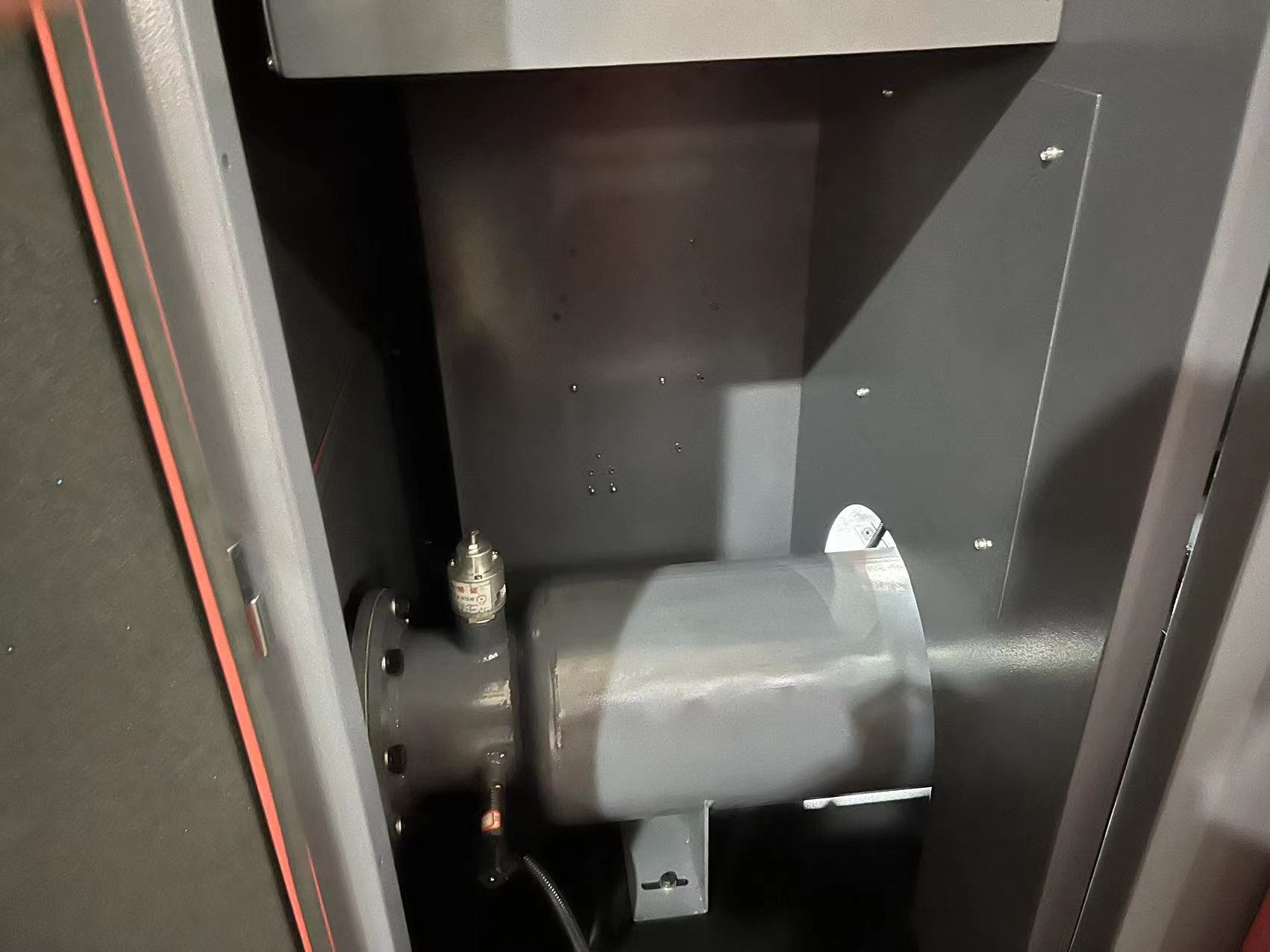
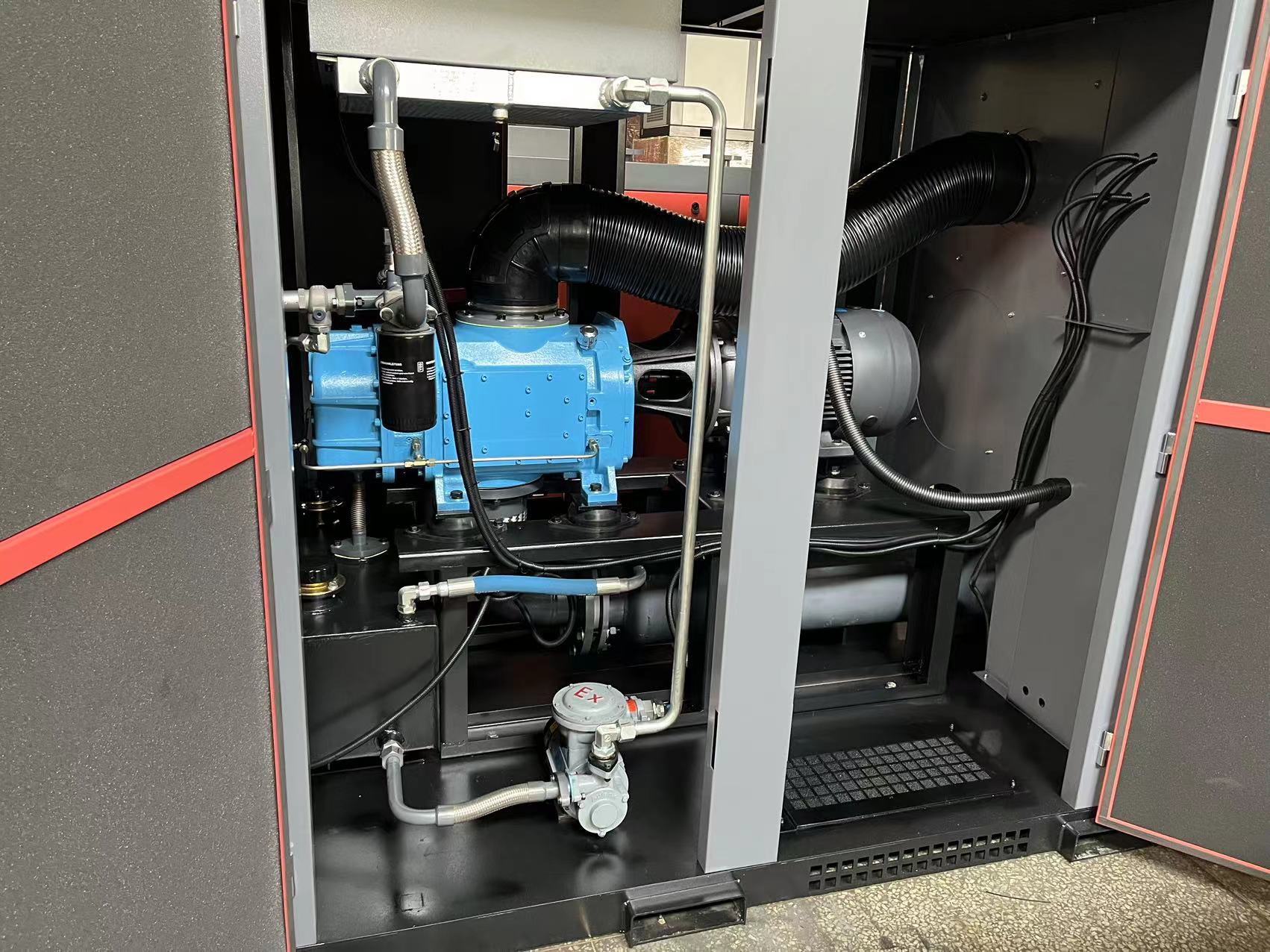
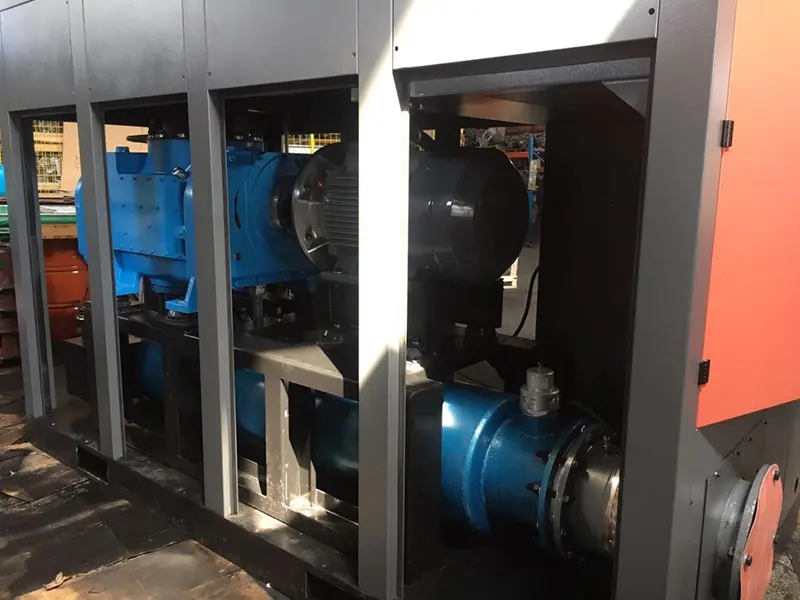
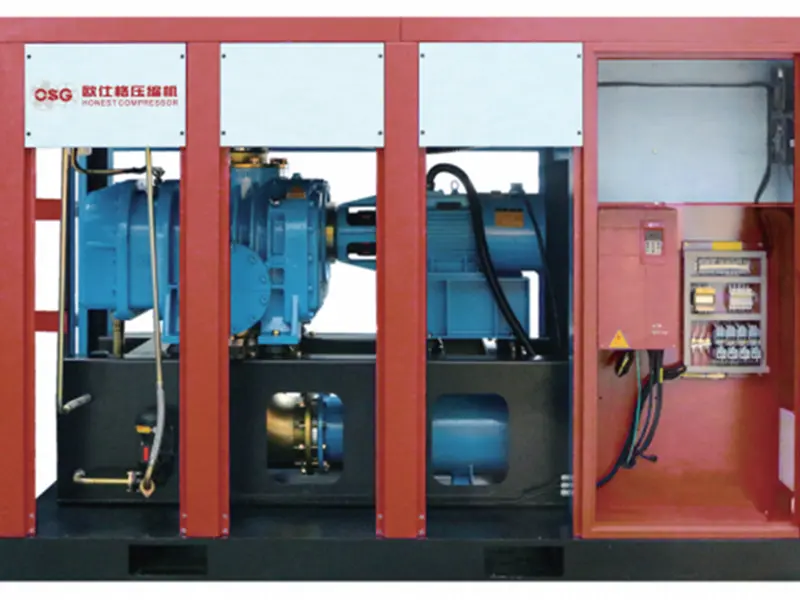
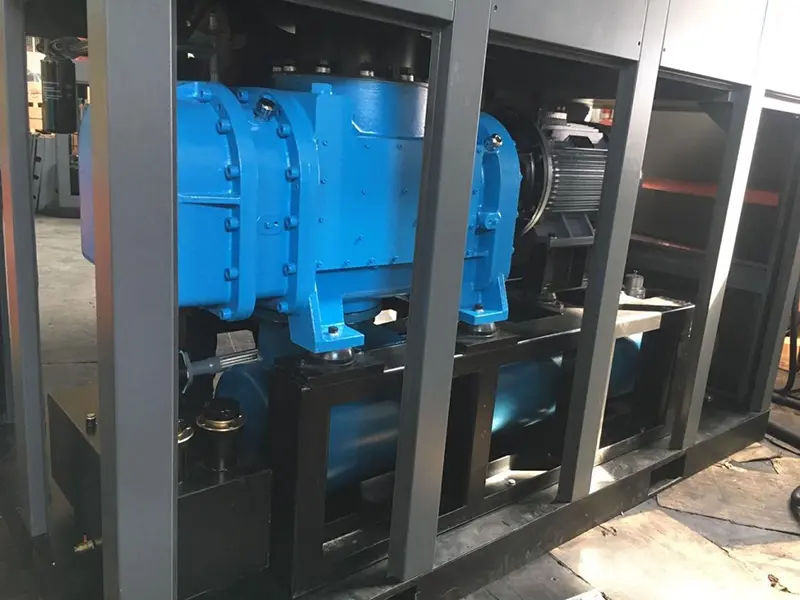
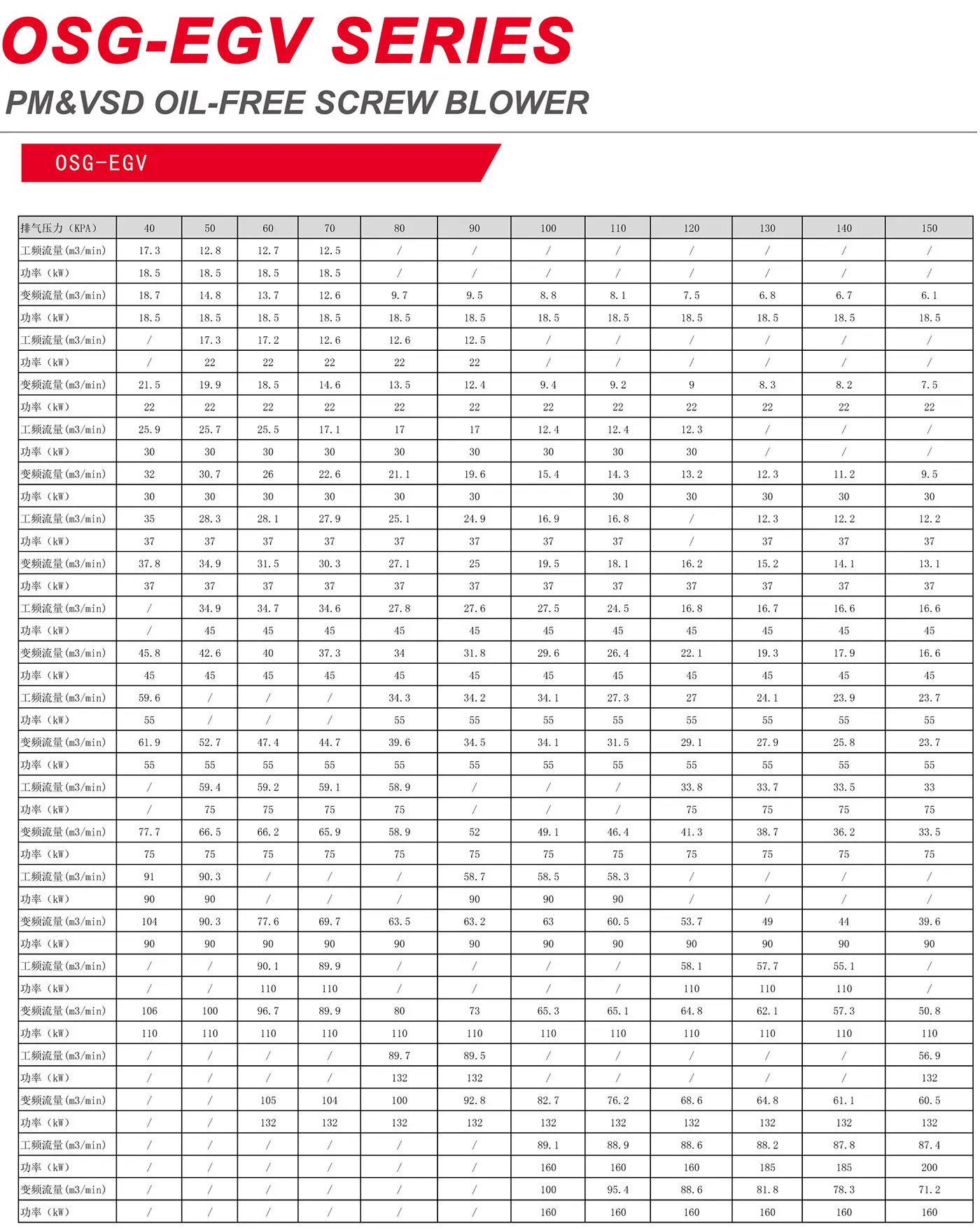
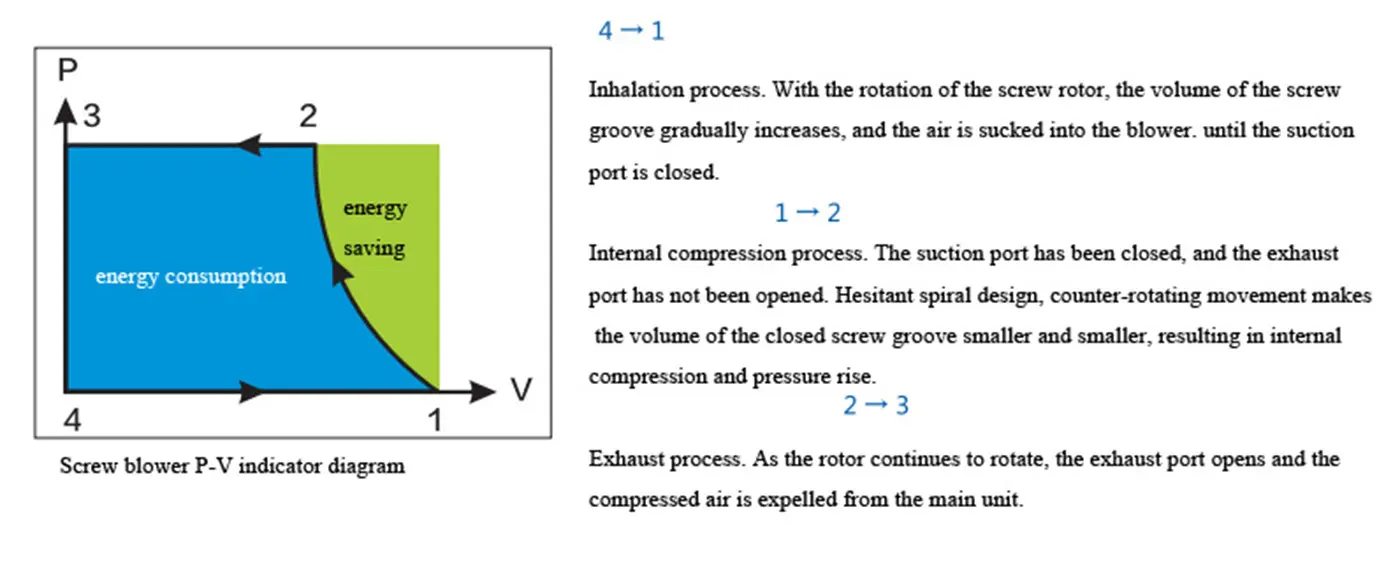
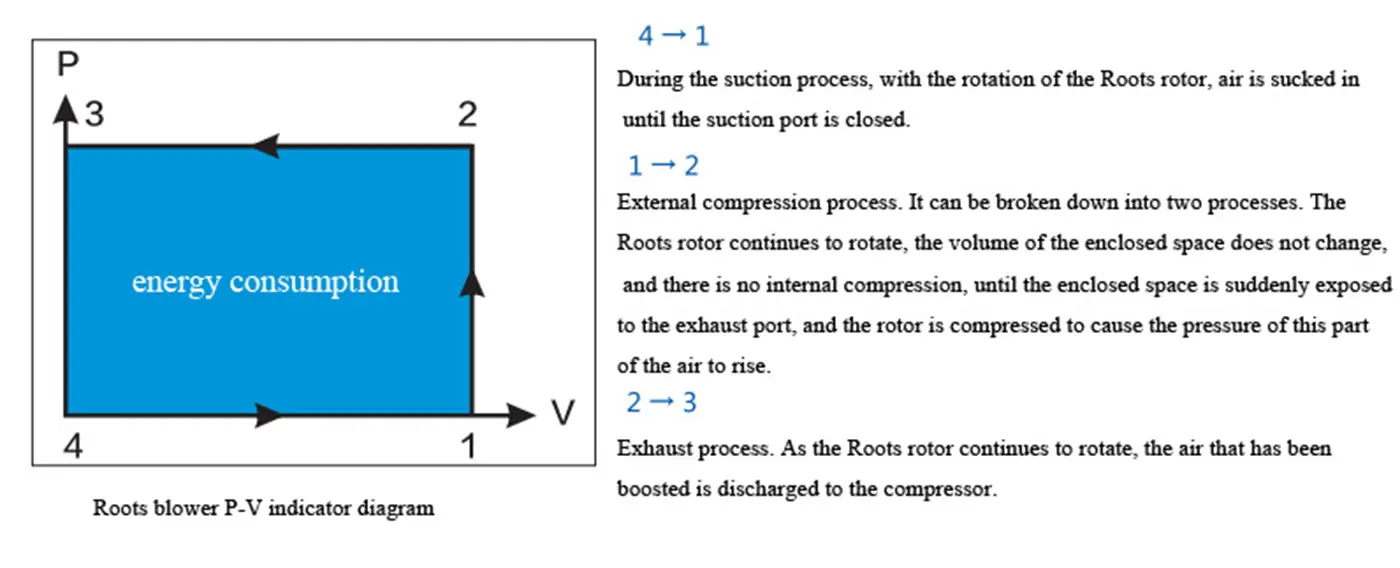
Under the same air volume and air pressure, the power consumption required by the screw blower is much smaller. Compared with the traditional Roots blower, the screw blower may save up to 35% of energy. The higher the pressure, the more significant the energy saving effect, and the average energy saving is 20%. The energy saving of oil-free blower can reach 20%-50%.
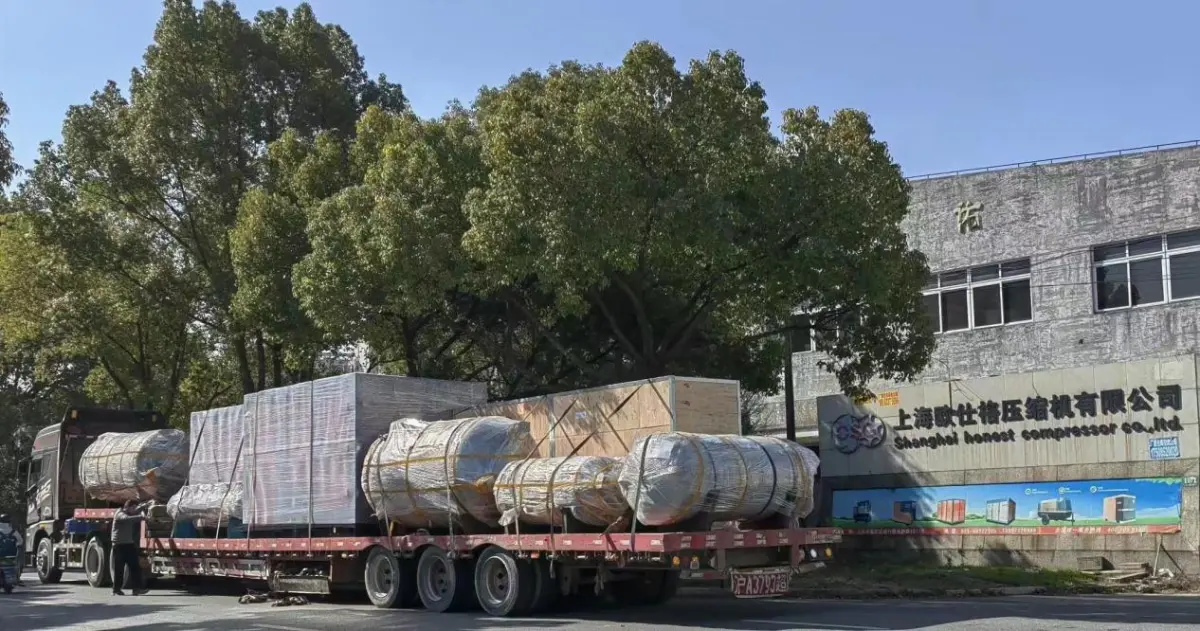
Whether it is municipal sewage or corporate sewage (including textile printing and dyeing, leather, medicine, chemical industry, paper making, breeding and slaughtering, etc.), it must be treated up to the standard before it can be discharged into natural water bodies or recycled. In the sewage treatment process, a key link is the oxygen supply for biological treatment, that is, the aeration link. During the operation of several common process sewage treatment plants, the energy consumption of the oxygen supply system for biological treatment accounts for 50%-55% of the energy consumption of the whole plant. There is a lot of room for reducing the consumption of the biological treatment oxygen supply system. Choosing an efficient blower will directly bring considerable economic benefits.
Dilute phase, powder conveying in cement plants, and powder conveying in the petrochemical industry benefit from lower energy costs (which can make up up to 80% of blower life cycle costs). The innovative screw blower technology results in significantly less downtime for maintenance.
Lower energy costs (up to 80% of blower life cycle costs) are achieved through innovative screw blower technology, resulting in lower maintenance downtime. The extremely wide flow and pressure operating ranges support nonwoven production, air knives, and texturing flow adjustable to influence fiber properties. This energy-efficient blower is capable of continuous 24/7 operation with low operating costs, allowing for point-of-use installation without noise protection measures.
In thermal power generation, steel, glass, chemical, and other factories, a large number of boilers are burned, and the flue gas emitted contains a large amount of sulfur, nitrate, and other substances which seriously pollute the atmosphere. This requires treatment such as desulfurization and denitrification before discharge. In these facilities, oil-free screw blowers are required as oxidation fans to ensure emissions reach environmental standards.
Under the same air volume and pressure, a screw blower can save up to 35% of energy compared to traditional Roots blowers. On average, users experience energy savings of 20%, while oil-free screw blowers can achieve energy savings between 20% and 50%.
In sewage treatment, the oxygen supply (aeration) system accounts for 50% to 55% of the entire plant's energy consumption. Implementing highly efficient screw blowers significantly reduces this power demand, resulting in substantial operating cost savings.
For conveying applications in cement and petrochemical industries, energy costs make up about 80% of the blower's lifecycle cost. The advanced screw technology cuts down these energy expenses and requires less maintenance downtime.
Yes, these blowers are designed for continuous 24/7 operation with high energy efficiency. They feature wide flow and pressure operating ranges, making them ideal for demanding processes like fermentation and nonwoven fabric production.
No, these screw blowers are built with advanced technology that allows for point-of-use installation without the need for additional, costly noise protection measures.
In power generation and chemical plants, oil-free screw blowers serve as essential oxidation fans in desulfurization and denitrification facilities, helping treat harmful flue gases before they are discharged.