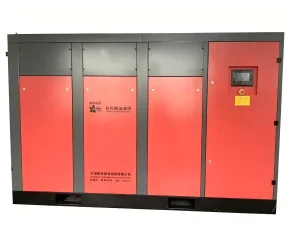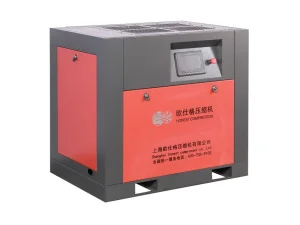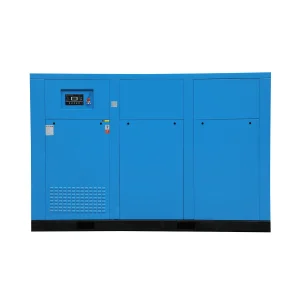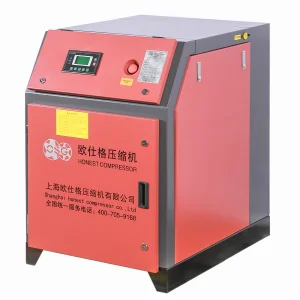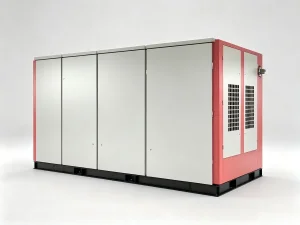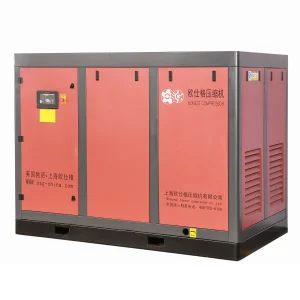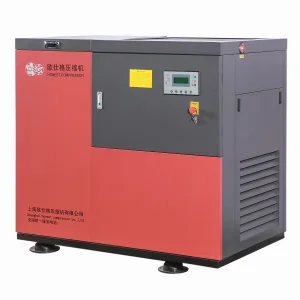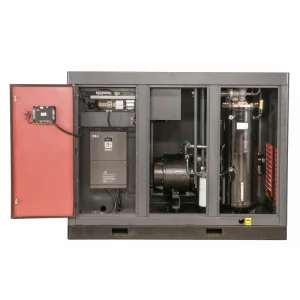
High-performance vacuum pumps and twin-screw compressors designed for integration with Melbourne's advanced pharmaceutical, automotive, and packaging plants.
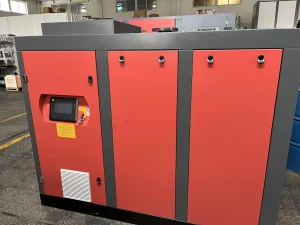
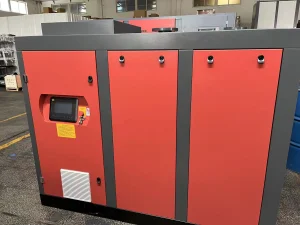
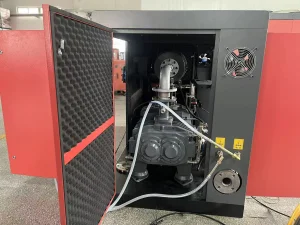
Melbourne stands as Australia’s premier advanced manufacturing hub, driven by dynamic shifts in the Dandenong, Campbellfield, and Laverton North industrial zones. As local manufacturers transition from legacy hardware to digitalized, IoT-enabled production lines, the demands on utility infrastructure have heightened. Heavy-duty vacuum and compressed air systems are no longer seen as static utilities but as crucial levers for dynamic operational control.
In Melbourne's demanding food processing, beverage packaging, pharmaceutical engineering, and heavy steel production sectors, clean, reliable vacuum solutions are vital. Operating in volatile Victorian climatic conditions requires machinery built with high environmental tolerance. Factors such as summer peak heat loads and winter temperature fluctuations necessitate resilient air systems that avoid thermal shutdowns.
Industrial operations in Victoria face stringent energy pricing structures. Consequently, plant managers are prioritizing systems that integrate Variable Speed Drive (VSD) and Permanent Magnet (PM) motors. These technologies optimize energy curves, helping facilities manage peak demand charges and reduce emissions, aligning with regional decarbonization goals.
Selecting the optimal technology requires evaluating cost, maintenance schedules, contamination risks, and process efficiency.
Dry screw vacuum pumps utilize parallel, non-contacting rotors to capture and compress gases. The absence of sealing fluids prevents process contamination and allows for consistent high volumetric efficiency across a wide range of operating pressures.
Advanced water jacket systems or direct oil cooling within the rotor housing help control heat build-up. This design reduces thermal expansion of components, ensuring safe and continuous operation under high duty cycles.
By eliminating contact wear in the pumping chamber, screw vacuum systems have longer service intervals. This reduction in downtime helps lower the total cost of ownership compared to traditional rotary oil-lubricated pumps.
In heavy industrial applications, the choice between dry screw and oil-lubricated rotary systems hinges on contamination tolerances. In food packaging and pharmaceutical processing, any oil carryover can ruin batches and halt production. Dry screw pumps use precision-timed gears to prevent rotor contact, eliminating the need for oil in the compression chamber and removing the risk of lubricant mist back-streaming into the process line.
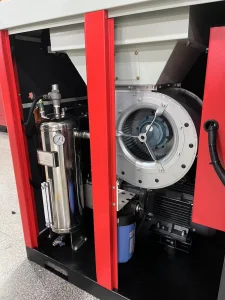
For applications where minor oil vapor is acceptable, oil-injected rotary screw systems remain a highly cost-effective option. These units utilize high-efficiency filtration to separate oil down to parts-per-million levels. The injection of oil helps seal internal clearances, lubricate moving parts, and dissipate compression heat, allowing the pump to handle continuous flow demands without overheating.
Modern procurement strategies focus on minimizing single-point vulnerabilities. Engineering firms and industrial distributors in Victoria are increasingly sourcing from manufacturers that offer a balance of global logistical reach, high precision, and transparent supply chains.
Importing industrial machinery into Australia requires compliance with local codes. Machinery must meet AS/NZS electrical safety standards, pressure vessel certifications, and Victoria’s EPA noise regulations. Partnering with a manufacturer experienced in these compliance frameworks simplifies importing and commissioning.
For operations in Melbourne, immediate access to spare parts is essential. Modern manufacturing partners mitigate geographical distances by standardizing consumable components (such as bearings, mechanical seals, and sensor valves) around global supply networks. This ensures that routine servicing uses readily available local components, minimizing downtime.
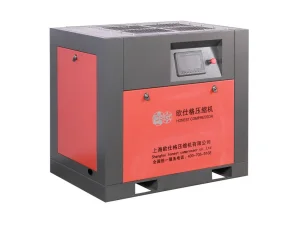
Shanghai Honest Compressor Co., Ltd. is a British-owned enterprise founded in early 2004. Located at NO. 355 Jiajian Branch Road, Malu Town, Jiading District, Shanghai, China, the company is a large-scale manufacturing enterprise specializing in twin-screw air compressors and is an important supplier of integrated air system solutions.
The company provides a wide range of equipment, including piston air compressors (low, medium, and high pressure, as well as oil-free options) and screw air compressor systems (ranging from 3KW to 480KW). Their portfolio also features gas separation equipment, refrigerant compressors, cold dryers, filters, ceramic membrane filtration systems, and various equipment accessories.
Quality management is integrated throughout the manufacturing process, with strict controls over product standards and environmental impact. The company is certified under the ISO9001:2015 quality management system.
Shanghai Honest Compressor Co., Ltd. closely follows technology trends to design products that align with user requirements. By incorporating proven features from domestic and international engineering designs and focusing on ease of maintenance, their compressors are engineered for structured durability, performance, and energy efficiency.
Independent evaluation by the National Compressor Inspection Center confirms that the company's energy consumption metrics exceed national standards. They offer air-cooled and water-cooled screw air compressors from 3kW to 480kW, with flow rates spanning 0.5m³/min to 75m³/min. Options include permanent magnet variable frequency compressors, oil-free models, and mobile units, along with full-scope services from station design and manufacturing to user training and maintenance.
To support responsive customer communication, the company operates a free service hotline at 400-705-9168, complemented by dedicated branch networks and dealer service teams in major industrial regions.
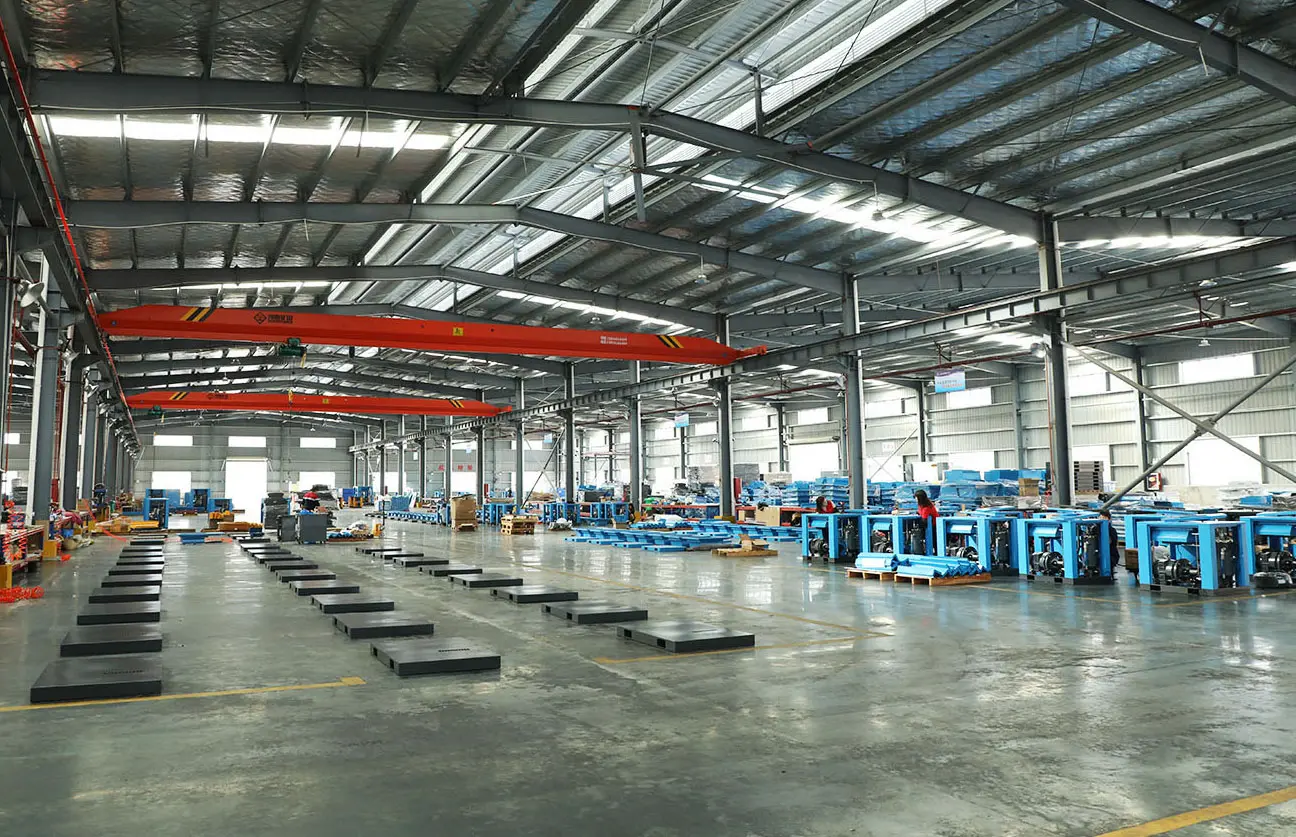
Modern industrial equipment manufacturing relies on advanced supply chain integration. The Shanghai Jiading production zone leverages sophisticated CNC machining, automated dynamic balancing of screw rotors, and real-time monitoring of assembly tolerances to deliver consistent quality at scale.
Screw rotors are milled using German-engineered profiles to ensure tight clearances, reducing internal gas slippage and improving overall volumetric output.
Integrating Permanent Magnet VFD systems enables precise speed adjustments to match demand, avoiding the energy losses common in traditional start-stop cycles.
Every compressor and vacuum system undergoes testing under load to verify heat dissipation, vibration profiles, and performance before leaving the factory.
Industrial operations in Victoria utilize diverse vacuum setups. Selecting the appropriate vacuum or compressed air system depends on the specific operational environment:
Vacuum packaging helps extend the shelf life of fresh dairy and meat products. Using oil-free screw blowers and vacuum pumps prevents contamination risks, ensuring compliance with Australian food safety regulations.
Process lines require precise, low-vibration vacuum systems to handle volatile compounds. High-precision micro-oil and dry screw vacuum pumps provide the necessary control for solvent recovery and distillation tasks.
Municipal wastewater plants in Victoria use screw blowers for continuous basin aeration. These systems are designed for high energy efficiency and low noise emissions, meeting local environmental guidelines.
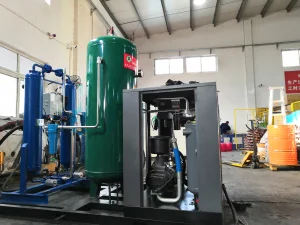
Explore our range of heavy-duty screw compressors, integrated air tanks, and drying units designed for Australian industrial installations.
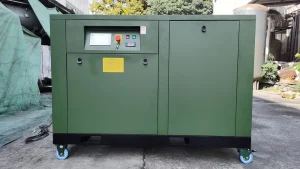
Technical insights and considerations for selecting industrial vacuum systems in Melbourne.