1. The San Francisco Bay Area & Northern California Industrial Landscape
When thinking of San Francisco, the immediate association is often software development, silicon chips, and digital ecosystems. However, the hardware backbone that powers the Bay Area's advanced industries relies heavily on precision manufacturing, fluid systems, and specialized industrial spare parts. From biotech labs in South San Francisco to semiconductor validation plants in Silicon Valley, and automated distribution warehouses across the East Bay, the demand for high-reliability components is critical.
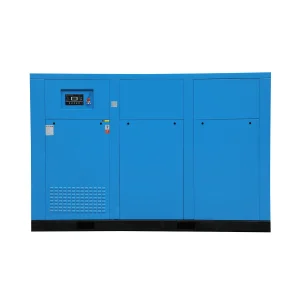
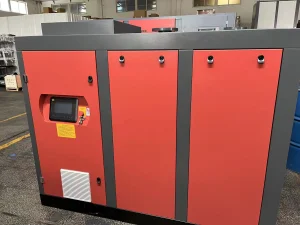
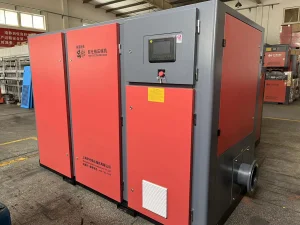
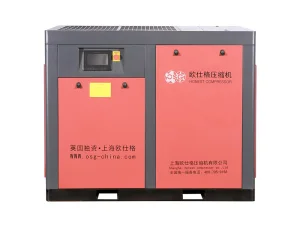
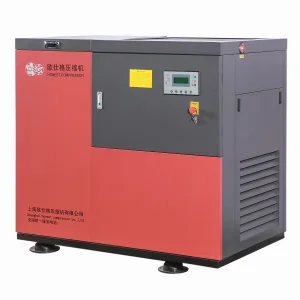
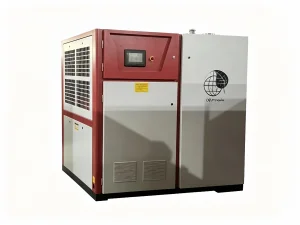
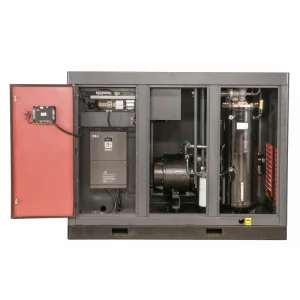
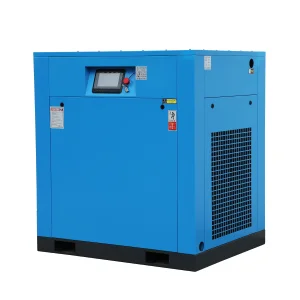
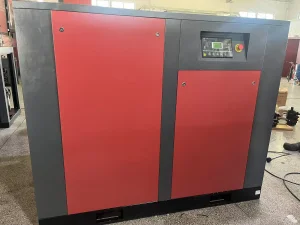
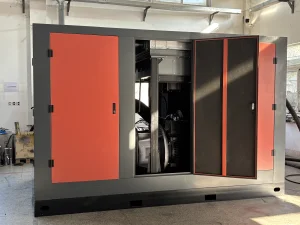
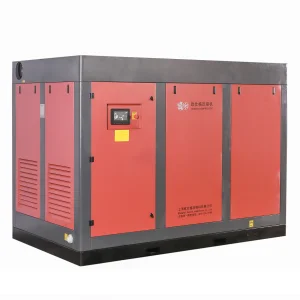
Operating compressed air and gas systems in the San Francisco Bay Area demands compliance with strict local regulations. California’s Title 24 energy standards and Bay Area Air Quality Management District (BAAQMD) guidelines require companies to reduce energy waste. This is where advanced solutions like two-stage variable frequency drive (VFD) rotary screw air compressors and premium oil separators become essential. High-efficiency components help local plants reduce energy bills while minimizing their environmental impact.
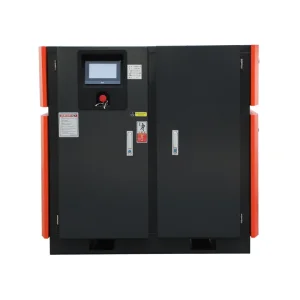
High real estate costs and environmental oversight require local industries to use compact, low-noise, and low-emission machinery. Our permanent magnet variable frequency systems are designed to fit these footprints, offering quiet operation and lower energy usage.
2. Global Industrial Spare Parts Export & Logistics
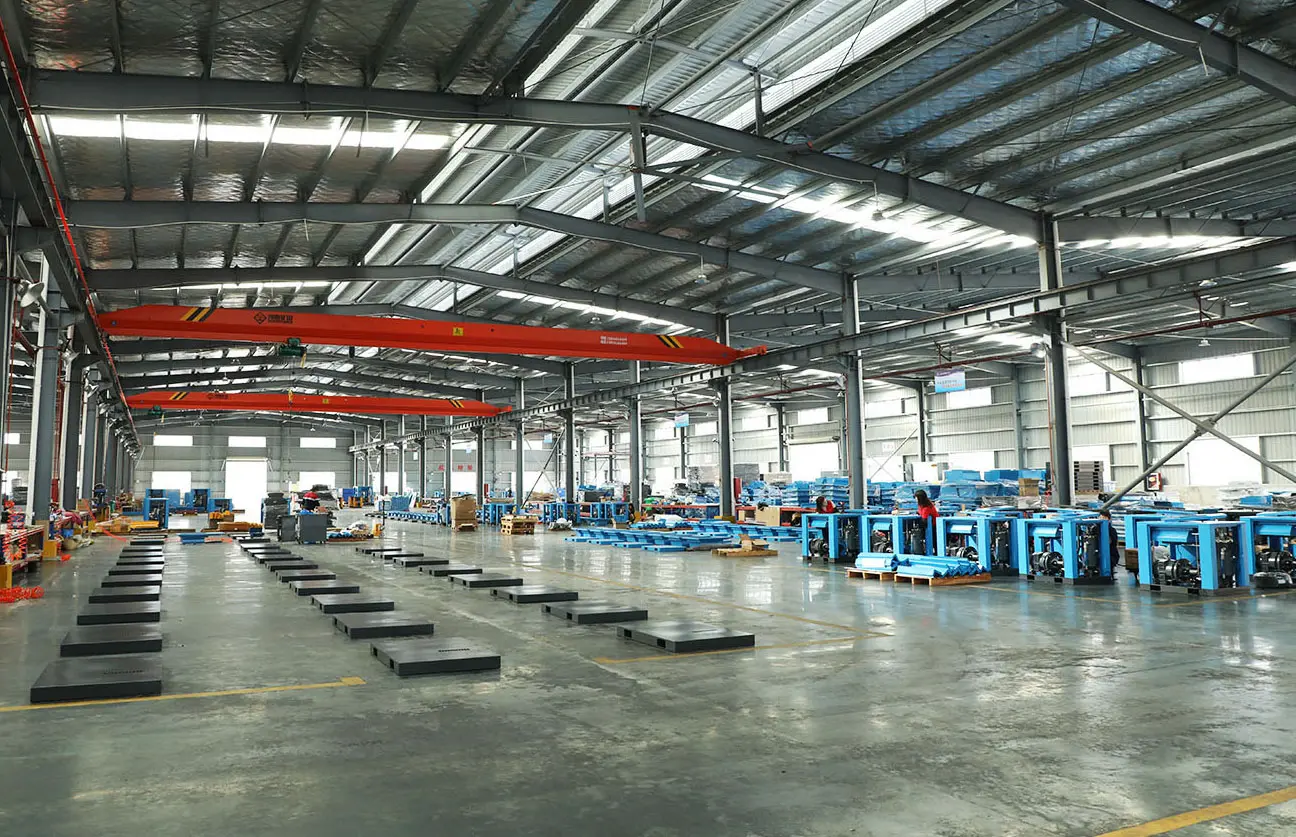
As a global manufacturing hub, our supply chain links directly to the San Francisco Bay Area and international markets. The Port of Oakland, the Port of San Francisco, and San Francisco International Airport (SFO) are key entry points for high-performance industrial components. Exporting to North America requires a strong commitment to quality standards.
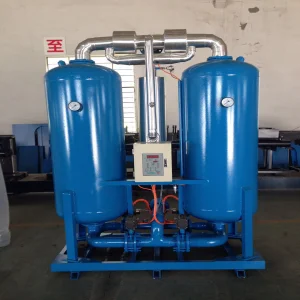
Whether delivering replacement oil filters, desiccant air dryers, or variable speed blowers, our logistics network ensures minimal downtime. We operate under ISO 9001:2015 standards, ensuring each part is fully traceable and meets the specific demands of heavy industry and manufacturing.
3. Technological Roadmap: Next-Generation Compression Solutions
The industrial sector is moving toward digitalization and green operations. The current technology path focuses on three major areas:
Modern screw air compressors now include sensors that monitor vibration, temperature, and filter pressure drop. Operators in San Francisco can track performance in real-time, scheduling maintenance before failures occur.
By dividing the compression ratio between two distinct stages, the system lowers internal stress and approaches near-isothermal compression. Using permanent magnet motors (IE4/IE5) reduces energy losses at lower speeds.
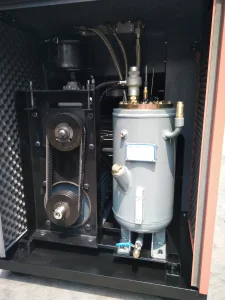
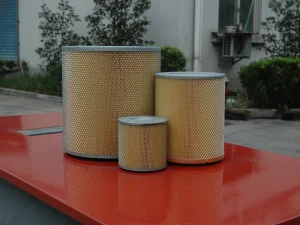
Protecting down-stream equipment in applications like laser cutting or pharmaceuticals requires keeping oil carryover below 3 ppm. New multi-stage fiberglass separators ensure clean air delivery with minimal pressure drop.