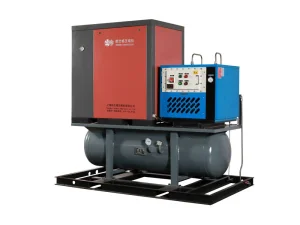
Explore our top industrial air compressors, meticulously designed for low-energy consumption, variable frequency performance, and heavy-duty environments.
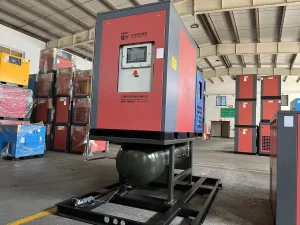
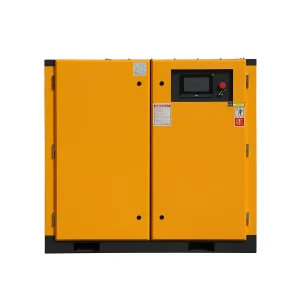
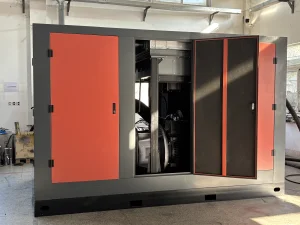
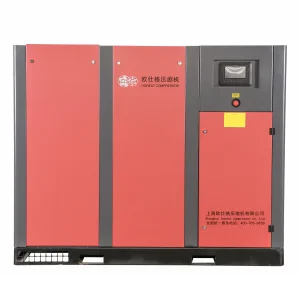
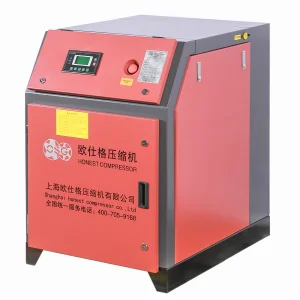
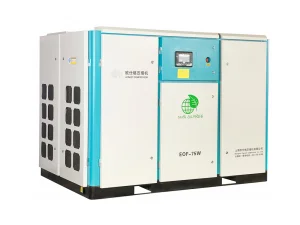
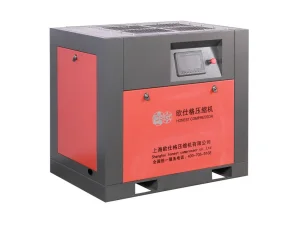
In the global industrial sector, compressed air functions as a vital utility, often referred to as the "fourth power source." Selecting a partner among China's screw air compressor factories requires analyzing supply chain integration, thermal efficiency indexes, and thermodynamic system design. The Chinese manufacturing ecosystem has transitioned from a high-volume hub to an innovation-focused sector. Today's leading factories leverage domestic supply chains, material science advances, and digital variable-speed control loops to produce equipment that meets or exceeds ISO standards.
This white paper explores the engineering details, energy-saving dynamics, and selection criteria for industrial buyers sourcing high-performance twin-screw compressors from Chinese factories. Focused on energy efficiency, structural reliability, and precise execution, this guide offers technical clarity for engineering directors, procurement teams, and industrial operations managers worldwide.
"Modern pneumatic systems require more than just raw air supply. They require custom pressure profiles, dry and oil-free output, and smart control systems that dynamically adjust to plant demand to reduce lifetime operating costs."
As an example of precision manufacturing in China, Shanghai Honest Compressor Co., Ltd. is a British-owned enterprise founded in 2004. The production facility is located at NO. 355 Jiajian Branch Road, Malu Town, Jiading District, Shanghai, China.
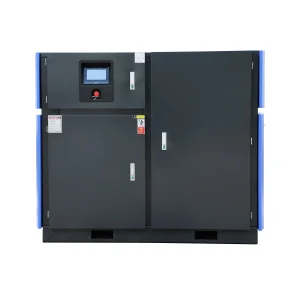
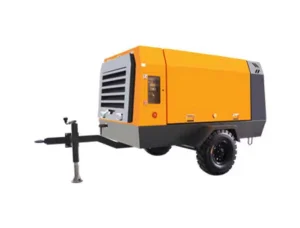
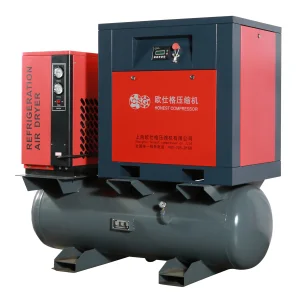
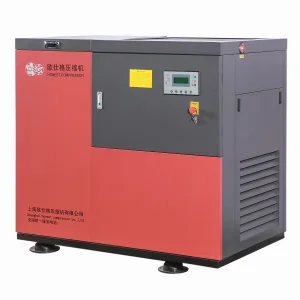
Operating as a large-scale manufacturing enterprise, the company specializes in the development, engineering, and manufacturing of twin-screw air compressors. Shanghai Honest serves as an air system solutions provider, offering a comprehensive product portfolio designed for varied operational demands:
The company maintains a strict quality management framework, utilizing digital quality tracking at every stage of production. The manufacturing facility operates in accordance with the ISO9001:2015 quality management standard, ensuring that each air end, motor, control system, and structural frame is fully verified before dispatch.
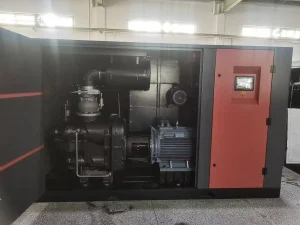
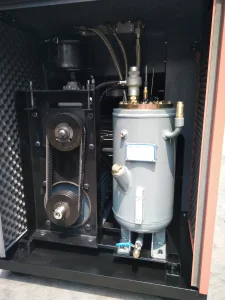
Our designs actively incorporate performance characteristics from top international brands, with a focus on ease of maintenance and accessibility. This minimizes downtime and simplifies routine service procedures.
Every air compressor is tested by the National Compressor Inspection Center. The energy consumption data from these tests regularly surpasses national energy-saving benchmarks, indicating real-world efficiency.
A free service hotline (400-705-9168) and a network of technical service teams across major domestic and international hubs ensure rapid response and assistance for critical equipment.
Understanding the components that drive system performance is essential for evaluating modern screw compressors. Industry standard-level performance relies on three core technologies:
Traditional fixed-speed compressors regulate output using an inlet valve cycle (load/unload), which wastes energy in idle modes. PM VSD systems adjust the motor speed to match output precisely with real-time pneumatic demand. By coupling this variable logic with a Permanent Magnet (PM) synchronous motor, magnetic slip losses are eliminated. The motor maintains high electrical efficiency (exceeding IE4/IE5 standards) even at partial loads, resulting in significant energy savings.
Two-stage compression divides the compression process into two distinct steps. The air is compressed to an intermediate pressure by the first-stage rotor, cooled by an oil mist injection, and then compressed to the final pressure by the second-stage rotor. This thermodynamic arrangement reduces the compression ratio per stage, which lowers internal leakage and brings the compression cycle closer to an isothermal process. The result is a reduction in specific energy consumption of 10% to 15% compared to single-stage equivalents at identical pressures.
The core of the compressor is its screw rotor profile. Leading designs utilize asymmetric rotor profiles with a 5:6 lobe configuration, which optimizes sealing lines and reduces internal blow-by losses. Lower rotational speeds reduce friction, bearing wear, and acoustic output, while extending the operational life of the compressor.
Screw compressors are used across various manufacturing applications, each requiring specific flow, pressure, and purity configurations:
Selecting a manufacturer goes beyond simple price evaluation. A complete total-cost-of-ownership (TCO) analysis evaluates several key performance factors:
Volumetric Efficiency (FAD): Verify Free Air Delivery (FAD) specifications against ISO 1217 standards. Ensure ratings reflect output at actual operating temperatures rather than theoretical calculations.
Thermal Management Systems: High ambient temperatures can reduce lubricant life and cause thermal shut-downs. Choose units with oversized air-oil coolers or water-cooled configurations designed for challenging operational environments.
Maintenance and Component Access: Look for layouts that allow easy access to consumable parts. Elements like spin-on oil separators, accessible oil filters, and swing-out cooling panels reduce maintenance downtime.
Answers to common engineering and procurement questions regarding operation, efficiency, and maintenance.
Two-stage compression lowers the compression ratio per stage, reducing internal air blow-back across the rotors. Intermediate cooling between stages brings the process closer to isothermal compression, which can lower power consumption by up to 15% compared to single-stage units operating at the same pressure.
High-power fiber lasers use compressed air at pressures of 16-20 bar to clear molten metal. If this air contains oil vapor or moisture droplets, they can condense on the lens cover slip, burning the optics and affecting cutting accuracy. High-pressure integrated compressor systems include coalescing filtration and desiccant drying to protect these components.
Standard VSD units use induction motors regulated by an inverter, which can experience efficiency losses at lower speeds. PM VSD units utilize permanent magnet synchronous motors that maintain high efficiency across their entire speed range, eliminating rotor slip losses and saving energy even at partial capacities.
Refrigerated dryers cool the compressed air to approximately 3°C to condense and remove water vapor. Desiccant dryers use adsorption materials (such as activated alumina or molecular sieves) to remove moisture down to pressure dew points of -40°C or -70°C, which is required for sub-zero outdoor piping or sensitive chemical processes.
Standard maintenance schedules include checking lubricant levels and cleaning air filters weekly. Air filters and oil filters are typically replaced every 2,000 to 3,000 hours, air-oil separators are replaced every 4,000 hours, and complete air end inspections and bearing replacements are scheduled between 20,000 and 40,000 operating hours.
High ambient temperatures lower the density of intake air, which reduces volumetric efficiency. They also increase discharge temperatures, requiring adequate ventilation or cooling systems to prevent the oil from breaking down and causing thermal shutdown.
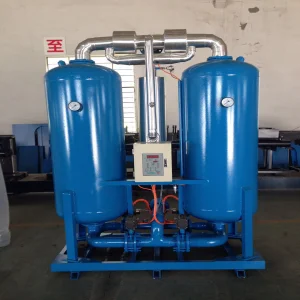
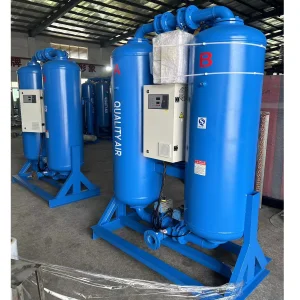
Explore our heavy-duty diesel air compressors, high-efficiency two-stage models, and downstream air dryers designed to complete your air system setup.