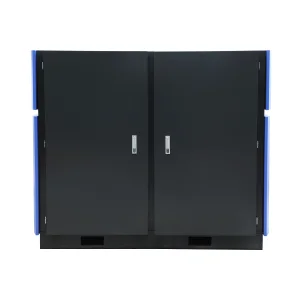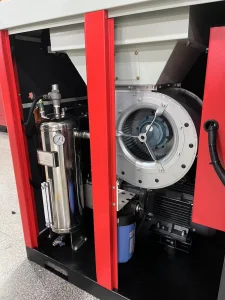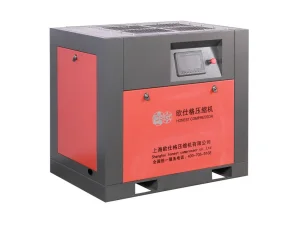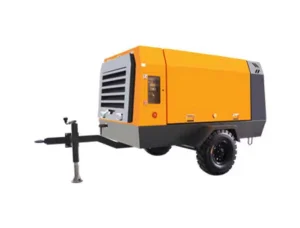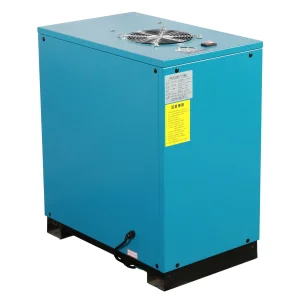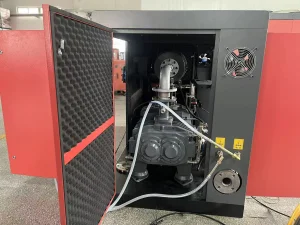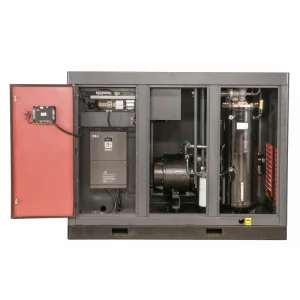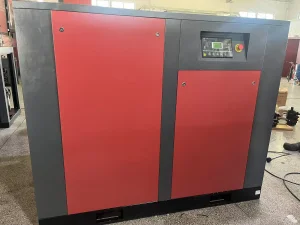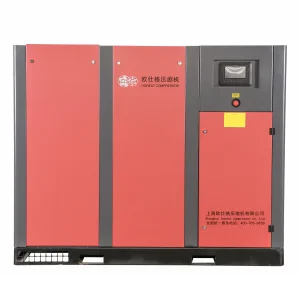
Engineered for extreme environments, offering high thermodynamic performance with minimal pressure drop.
An authoritative analysis of moisture control technologies, thermodynamic efficiency, and decarbonization trends in industrial systems.
Atmospheric air contains significant water vapor. Under pressure, this moisture condenses, threatening downstream equipment with corrosion, piping scale, and structural breakdown. Refrigerated air dryers act as the vital shield, cooling the compressed air to force condensation and exhaust vapor, preserving system integrity.
Engineered to deliver a consistent Pressure Dew Point (PDP) range of +3°C to +10°C (+37°F to +50°F), these systems optimize the thermal balance. By avoiding freezing limits and eliminating up to 99% of liquid condensate, they serve as the foundation of premium air preparation lines globally.
Global regulatory protocols demand a transition toward low Global Warming Potential (GWP) refrigerants. Leading manufacturers are integrating R-513A, R-452A, and hydrocarbon alternatives, reducing direct emissions while optimizing compressor thermal efficiency.
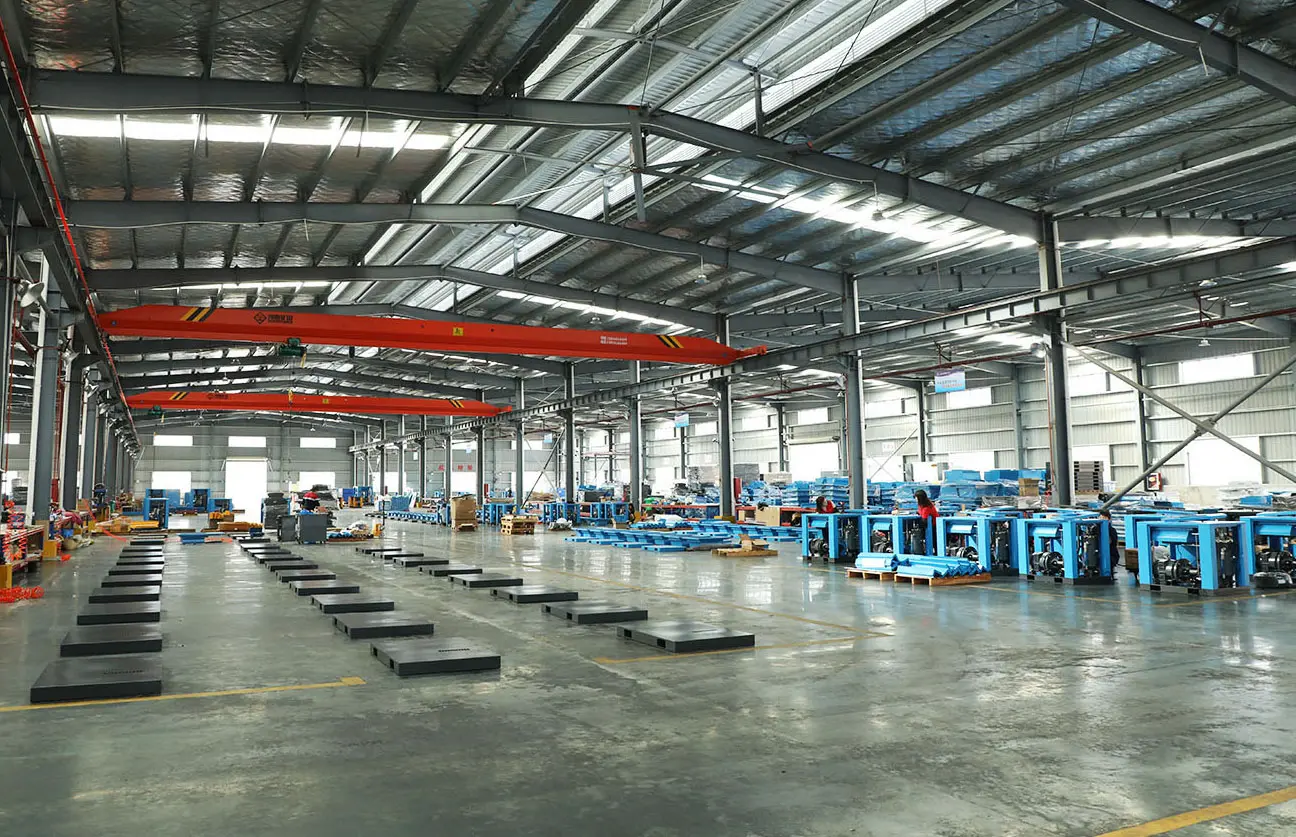
British-Owned Engineering Excellence Founded in 2004.
Operating from our modern manufacturing facility at NO. 355 Jiajian Branch Road, Malu Town, Jiading District, Shanghai, China, we have established ourselves as an industry-leading manufacturer and supplier of twin-screw air compressors and advanced air system solutions.
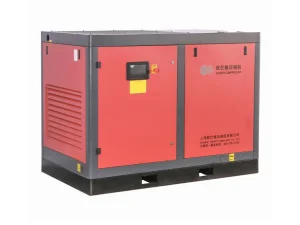
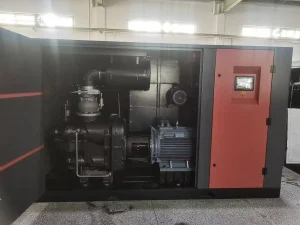
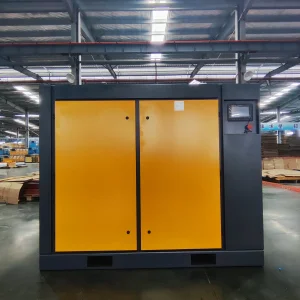
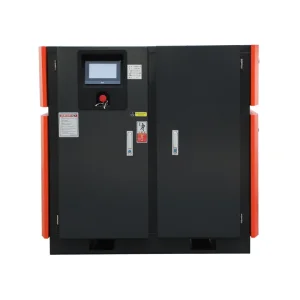
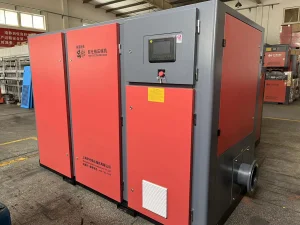
Our comprehensive portfolio ranges from piston compressors (low, medium, and high-pressure configurations, plus oil-free variants) to complete screw air compressor systems (3KW to 480KW). This is complemented by specialized gas separation equipment, refrigerant compressors, refrigerated air dryers, coalescing filters, ceramic membrane filtration arrays, and high-quality accessories.
By enforcing a strict quality control regime throughout the entire manufacturing process, we ensure compliance with ISO 9001:2015 quality management systems, promising durable, efficient, and environmentally sustainable operations.
Our research and engineering initiatives focus on reducing thermal losses, optimizing heat exchange matrices, and transitioning to smart digital monitoring.
Replacing copper alloy components with 316L stainless steel plate heat exchangers to eliminate chemical corrosion and extend product lifecycles.
Integrating modulated bypass valves to prevent freezing under zero-load conditions, guaranteeing steady-state performance.
Incorporating Modbus TCP and RTU interfaces to allow remote tracking of dew point fluctuations, pressure stats, and thermal cycles.
Deploying cycling thermal masses that power down the refrigeration circuit when the load drops, capturing up to 60% energy savings.
Tailoring dry compressed air systems to meet demanding performance criteria across diverse global industries.
Moisture in paint lines can cause bubbles, craters, and poor adhesion. Our refrigerated dryers keep moisture levels low, ensuring a mirror-like finish, reducing rework rates, and lowering operating costs.
To avoid hygroscopic powder caking and biological contamination, our dryers supply ultra-dry air. This helps processes align with ISO 8573-1 Class 4 moisture standards, keeping production lines safe and compliant.
Water droplets in cutting gas paths can refract laser beams and ruin optical heads. Our systems provide dry, particulate-free gas flow, maintaining high precision, minimizing downtime, and protecting expensive optics.
Expert answers on selection, setup, and thermodynamic maintenance.
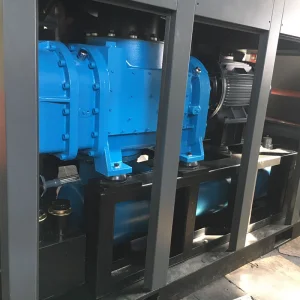
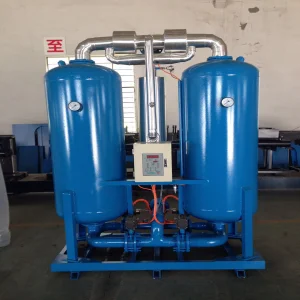
Heavy-duty rotary screw technologies and thermal regeneration components for comprehensive system design.